
How to Choose a Budget Method
Compare the most popular budgeting methods—and see why one stands above the rest.
Budgeting is giving every dollar a job before the month begins. Use the tips and tools below to plan, track, and adjust your budget to fit your life!


No more wondering where your money’s going. Plan, track and take control of it with the EveryDollar budget app.

New to budgeting or need a reset? Try this budget calculator. Just plug in your monthly income to get your starter budget.

Budgeting is giving every dollar a job. Use the tips and tools below to plan, track, and adjust your budget to fit your life!
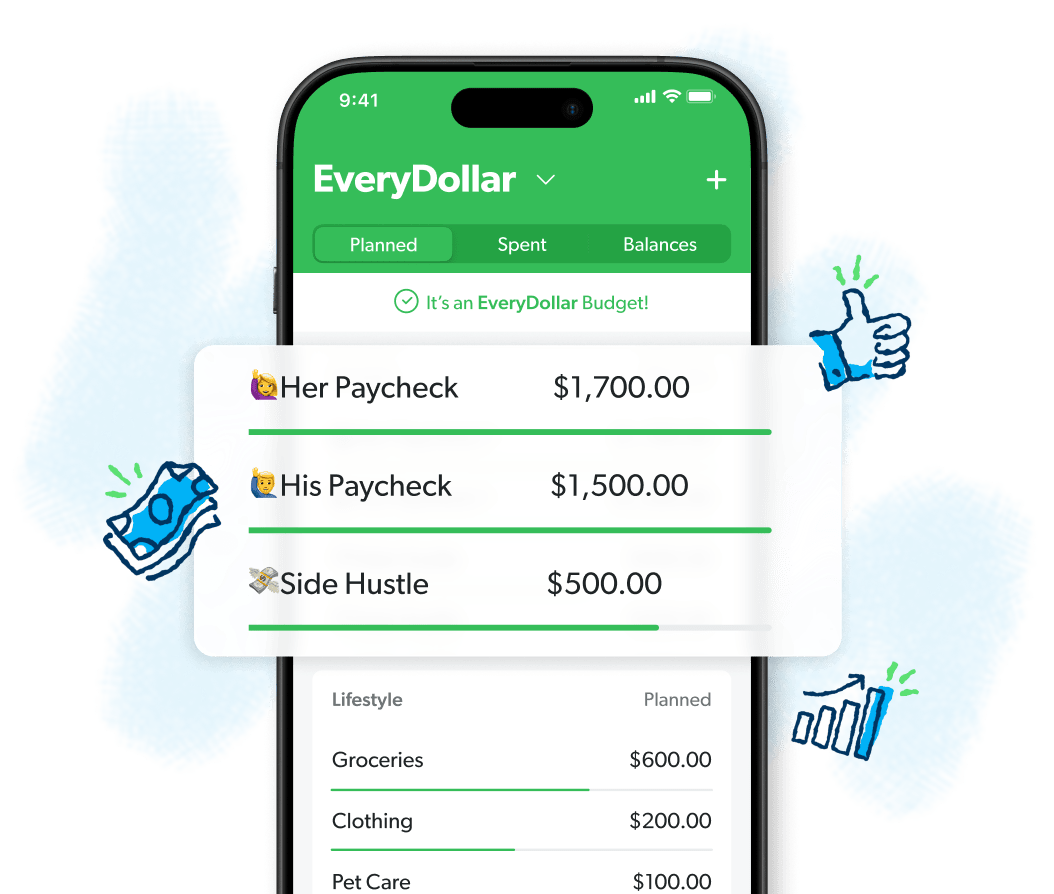
A budget is just a plan you make for your money before spending it. It helps you give every dollar a job to do so you can cover your needs, save on purpose, and make progress on your goals.
Want simple step-by-step guidance to create your budget?
Budgeting works when you work it. Use these tips to stay consistent and keep making progress.


A little breathing room goes a long way. Use these savings ideas to free up cash for your next money move.
When prices change, your budget should too. Use these resources to reset and stay on track.

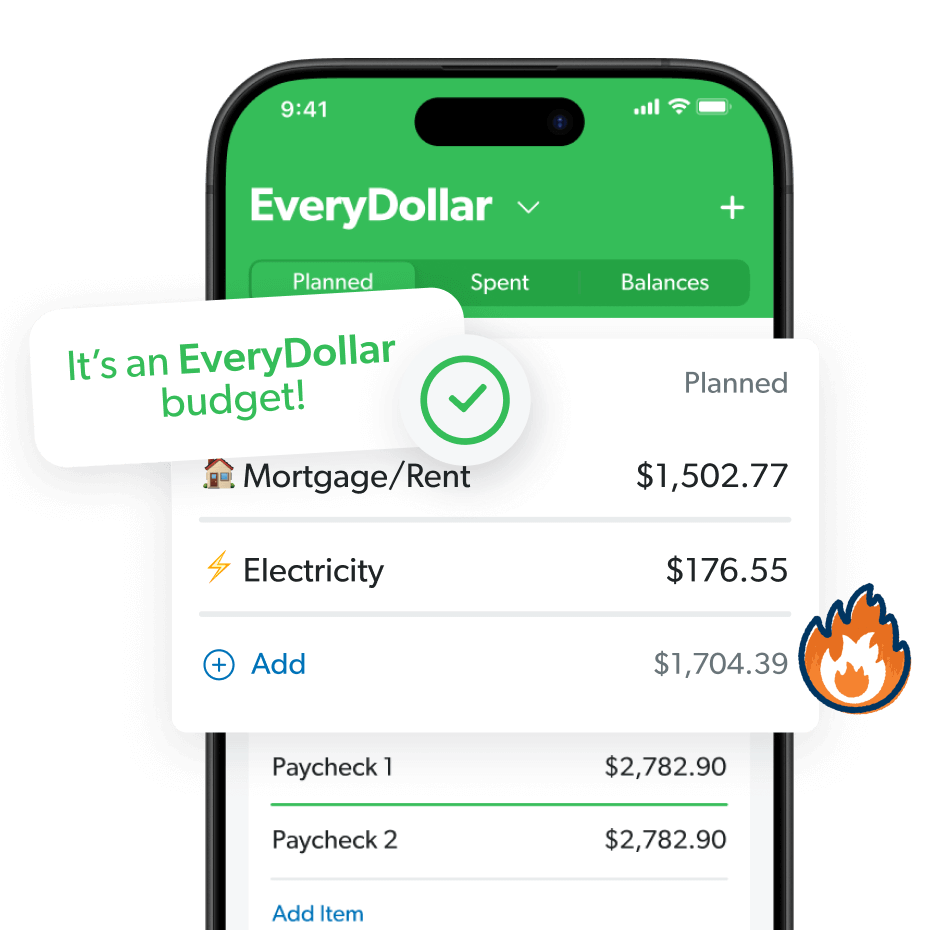
Start telling your money where to go so you’re not wondering where it went. Our EveryDollar budget app helps you give every dollar a job and keeps you motivated and on track all month long.
Compare the most popular budgeting methods—and see why one stands above the rest.

Budgeting can be challenging—especially in the beginning. These tips will help you be more intentional with your money.

See how our EveryDollar budgeting app stacks up against the competition.
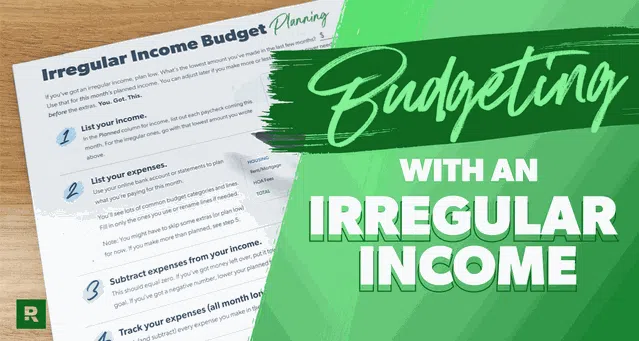
Paydays all over the place? Follow this guide to keep your budget on track!
See our tips for adjusting your budget when life happens.

Spending too much? Check out our tips for staying in control of your money.

Budget for your whole family with these five simple steps!
Budgeting is making a plan for your money before you spend it—so you’re telling your money where to go instead of wondering where it went. At Ramsey, we use a zero-based budget, where your income minus your expenses equals zero because you’ve intentionally given every single dollar a job to do.
A budget should include every category where your money will go that month. Your exact categories will depend on your life, but here are some common ones:
Make a new budget every month before the month begins. Each month will look a little different, so your budget should flex with it.
If you get paid weekly, biweekly or monthly, just plan your expenses around each paycheck and adjust as needed.
If your income changes every month, look at what you’ve made over the past few months and use the lowest amount as your planned income. That gives you a conservative starting point for your budget. Then, if more money comes in during the month, adjust your budget and put those extra dollars to work.
Stick to your budget by planning your spending before the month begins, tracking your transactions as you go, and adjusting when life happens. It’s also important to remember your why—the reason you’re budgeting in the first place—whether that’s getting out of debt, saving for a vacation, buying a house, or reaching another money goal.
Before you jump into the bills and other expenses, set aside money for giving. We believe in putting 10% of your income here. And if you don’t have an emergency fund yet, make savings one of your priorities. Next is the Four Walls: food, utilities, shelter and transportation. Create a budget category for each of these. Do the same with your remaining essentials like insurance, childcare and debt (if any). Finish with nonessentials like personal spending, entertainment, dining out, subscriptions and miscellaneous.
If you go over budget in one line, move money from another line to cover it and keep your overall budget balanced. Don’t panic or give up on the whole budget because one number was off. Then use what you learned to plan that line more accurately when you make next month’s budget.
Yes. It doesn’t matter how much you make—budgeting is about what you do with what you make. Some people making six figures a year living paycheck to paycheck because they don’t manage their money well. A budget gives you clarity, direction and peace with your money, no matter your income.
The easiest way to start budgeting is to follow five simple steps: List your income, list your expenses, subtract your expenses from your income, track your transactions all month long, and make a new budget before the next month begins. Don’t worry about getting everything perfect your first month—just start.
The best tool is the one you’ll actually use and stick with. Look for something that makes it easy to plan your spending, track your transactions, and adjust your budget throughout the month. You can use pencil and paper, a spreadsheet, a template or a budgeting app like EveryDollar.