
How to Save on Your Electric Bill
 By
By 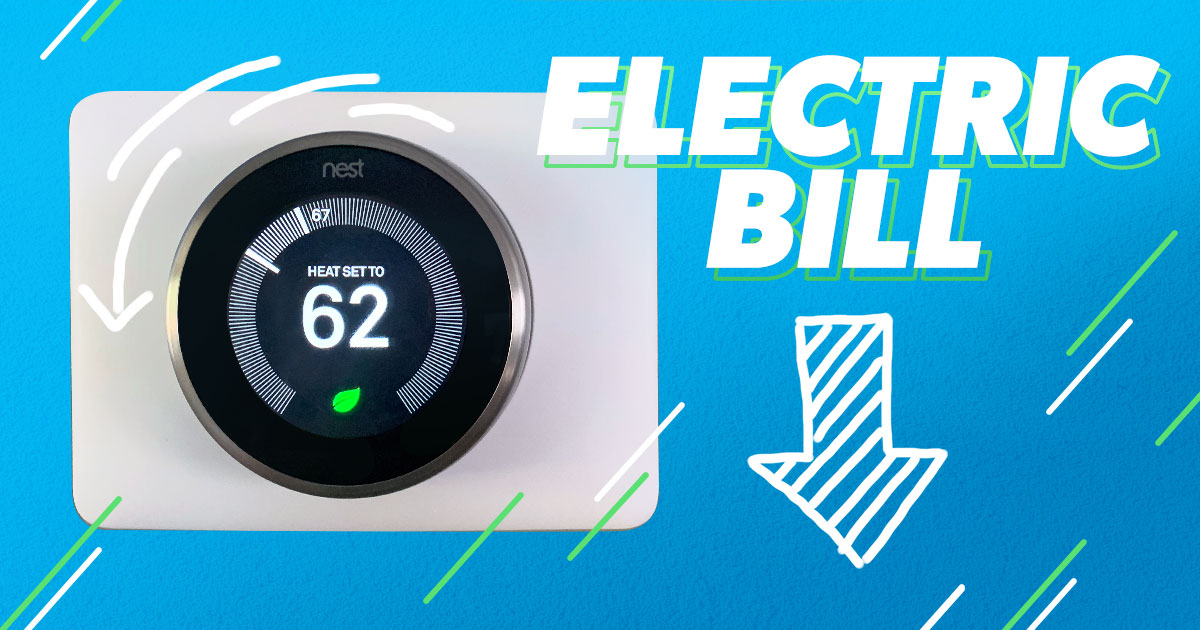
Key Takeaways
- Conduct an electricity audit—either through your utility company or an online tool—to find easy, cost-effective ways to reduce your usage and lower your bill.
- Heating and cooling are major energy drains, but you can cut costs by sealing air leaks, adjusting your thermostat, and keeping doors and blinds closed.
- Making small shifts in your routine—like running appliances only when full, using cold water for laundry, or air-drying dishes—can lead to real savings.
- Avoid energy use during peak hours when rates are higher, and ask your electric company about potential discounts or rebates.
Between the washer, the dryer, the fridge, the dishwasher, the soothing salt lamp and all our plugged-in devices, we use a lot of energy every day. In fact, Americans spend an average of $162.50 on electricity per month, or $1,950 per year.1
The good news? You have way more control over your electricity use than you think. With a few simple changes, you can lower your bill and keep more money in your pocket all year long.
Why Your Electric Bill Is So High
If your electric bill feels out of control, you’re not imagining it. Heating and cooling use a huge amount of energy—especially when the seasons change and your system has to work harder. Add in things like lighting your home, running big appliances, and keeping everyday gadgets plugged in, and the costs stack up fast. The good news? Most of these energy drains are easier to tackle than you think.
Now let’s get practical. Here are some simple, game-changing ways to cut your electricity use and lower that bill—starting today.
|
Whole-Home Electricity Savings Tips
You don’t have to overhaul your whole house to see savings. A few smart tweaks can stop the money leaks you didn’t even know were happening. These quick wins make a real difference—no major tools or major budget required.
1. Do an electricity audit.
The average U.S. household uses 10,356 kilowatt-hours (kWh) of electricity each year.2 But every household is different. That’s why it’s a good idea to do an electricity audit. Now, don’t let the word audit scare you. Basically, this audit just means looking over the electricity usage in your home.
To get the most accurate audit, call in an expert from your local electric company. Many offer this service for free (or at a super low cost)! You can also search for free online electricity audit tools and do a simple version on your own.
Some of what you find will be quick, cheap fixes to lower your electric bill (like sealing a window or unclogging an air duct). Others might mean investing in energy-efficient appliances. But before you make any big purchases, run numbers to see if it’s worth it for your budget, your future savings, and even the resale value of your home!
Here's a Tip
If you want to dig a little deeper, use this handy home energy use calculator to estimate just how much your appliances are costing you.
2. Reduce phantom energy.
No, we’re not talking about ghosts here. We’re talking about phantom energy (aka standby power). It’s what happens when appliances or electronics use up energy even when they’re turned off or not running. Phantom energy makes up 5–10% of residential electricity use—for nothing.3 Now that’s scary.
So, start unplugging those devices and appliances when you’re not using them. This goes for toasters, coffeemakers, printers, cell phone chargers, hair dryers and DVD players—they’re all energy vampires. You’ll be surprised how much money you’ll save on your electric bill when they’re no longer zapping the energy in your home.
3. Avoid using electricity during peak hours.
Most power companies charge more when the electricity demand is at its highest. That said, try to avoid doing your laundry or running high-energy appliances during peak hours (usually in the evening when people get off work).
It may not be the most convenient, but it can help cut your electric bill way down. For peak hours in your area, check your local electric company’s time-of-use rates.
Source: San Diego Gas & Electric Company, 2024
4. Ask your electric company about discounts.
We all love a good discount, right? So check with your local electric company to see if there are any special savings available to help you save on this home expense. If you don’t ask, you’ll never know!
Some companies give discounts for going paperless. Others give rebates based on any energy-saving improvements you make to your home. Plus, if you sign up for their newsletters, they’ll probably share tips and tricks that can help you save even more on your electric bill.
5. Lower the hot water heater temperature.
Most people don’t know if their water temperature is too high—or even that they can manually change it. But if your water temperature is set too high, you could be wasting $36–61 each year.4 And if you have a gas water heater, turning the temperature down can also lower your gas bill since you’re using less energy to keep water piping hot all day.
Most water heaters are automatically set to 140 degrees. While that’s fine, it can be a safety hazard because the water gets scalding hot. You really only need water as hot as 120 degrees, especially if your dishwasher has its own internal heating system.
Lighting Tips That Reduce Your Electric Bill
Lights seem small, but they add up fast—especially when they’re left on all over the house. A few simple upgrades and habits can trim your bill and still keep your home bright and cozy.
6. Turn off lights you’re not using.
Keeping the lights on when they’re not in use is a real drain on your electricity—and your budget. Here’s the math on that:
- For every 40-watt lightbulb that runs for an hour, 0.04 kWh of energy is used up.5
- If your electric company charges 10 cents per kWh of electricity, that means every hour the light is turned off, you’ll save $0.004.
- This adds up! If you switch off just five lights in your house for 10 hours a day, you’ll save $6 a month on your electric bill right there.
- The more lights you switch off (and the higher wattage they are), the more you’ll save on the electric bill!
So, get in the habit of turning on the light only for the room you’re using right then. And if it’s sunny out, take advantage of that natural light. Not only is it easy on the eyes, but it’s also free!
Put More Breathing Room in Your Budget
Money feeling tight? Not anymore. The EveryDollar budgeting app helps you free up thousands of dollars you didn’t know you had—in minutes.
7. Switch out lightbulbs.
Buying more energy-efficient bulbs will cost a bit more up front, but you’ll save some money on your electric bill every month.
Using typical LED lightbulbs saves households around $225 in energy per year. Most LED lights use up to 90% less energy than those old incandescent lights (which are actually banned now) and last up to 25 times longer!6 Worth. It.
Here's a Tip
Install dimmer switches for the rooms you use the most. It saves energy, plus it’s cozier!
8. Choose affordable solar options.
Accessing solar power can significantly lower your electricity costs. But you don’t have to buy expensive solar panels for your entire home to soak up the sun. You can get solar lights for your porch and yard for way less. And there are even solar-powered chargers you can use for your devices and power tools.
Heating and Cooling Tips That Cut Energy Costs
Your heating and cooling system is the biggest energy hog you’ve got. But here’s the good news: Small changes make a big impact. These simple adjustments help your home stay comfortable without your HVAC working overtime—or your bill shooting through the roof.
9. Program your thermostat.
Air conditioning and heating are usually the top energy suckers in your home. But dialing your thermostat up or down by 7–10 degrees for eight hours a day can help you save 10% on your electric bill each year.7
You can do this the old-fashioned way: Just change the thermostat when you wake up or when you go to work, then adjust it again when you get home or before you go to sleep.
You can also buy a programmable thermostat (if it’s in the budget, of course). It’ll save you the hassle of remembering to turn the temperature up or down every day—and you can even adjust it so it’s cooler by the time you get home from work.
Working from home? Utilize your ceiling fans as much as you can. They can make a room feel up to 4 degrees cooler with way less energy!8
10. Check for air leaks.
Your home could be leaking money without you even knowing! So, go around your house and ask yourself these questions when checking for air leaks:
- Are your windows whistling?
- Can you hear air coming in from under the front door on windy days?
- Do the doors actually seal shut when you close them?
- Do you feel a draft anywhere?
- Is the fireplace damper working?
Air sealing your home is a cheap and easy way to save electricity! Just pick up some weather strips for your doors and windows. You’ll also need some caulk to seal those leaky areas around your air ducts and wiring.
Buying weather strips, caulk and a caulk gun may cost you around $30, but sealing air leaks can save you up to 20% on your energy costs.9 Talk about a return on investment!
11. Replace your air filter.
Replacing your air filter every three months is a simple fix that can beef up the life of your HVAC system and make it run more efficiently (lowering your electric bill and saving you money in the long run). We know, it’s hard to keep track of everything you need to replace throughout the year. But setting a calendar reminder will do the trick.
12. Keep doors and blinds closed.
It’s tempting to leave the door open while you take out the trash or hang out on your front porch. (And why do kids just love running in and out of the house during the summer?) But keeping the outside doors open while the AC unit or furnace is running is a bad idea.
Not only are you letting that precious (and expensive) air escape, but you’re also making your unit run harder for longer. Just picture your dollars sailing out the door . . . right alongside your coveted cool air. Yikes.
Also, closing your blinds and curtains in the summer (at least during the hottest part of the day) can help keep your house cooler and electric costs low.
Laundry Room Tips to Lower Electricity Use
Laundry might feel never-ending, but the electric bill doesn’t have to be. A couple easy habit shifts can cut your energy use without adding extra work.
13. Do laundry with cold water.
Did you know about 90% of the energy a washing machine uses goes just to heating the water?10 That said, when it’s laundry day, wash everything in cold or warm water instead of hot. Unless you’re washing heavily soiled towels or sheets, your clothes will get just as clean on the cold cycle. Plus, it’ll make your clothes last longer!
Here's a Tip
Give your clothes an extra spin or two in the washer. It’ll cut down on drying time and energy used.
14. Line dry when you can.
Clothes washers and dryers are some of the biggest energy consumers in your home.11 So, instead of sticking everything in the dryer, hang or line dry what you can. Many clothing care labels even prefer it! When you do use the dryer, put it on a lower setting. It may take longer, but it uses a lot less energy. And it can save you from accidently shrinking your favorite sweater.
15. Clean out your lint trap.
If you do need to use the dryer, be sure to clean out the lint trap after every load! Not only does it help your clothes dry faster, but it can also prevent dryer fires.
16. Only run appliances when full.
Heads up—this one pulls double duty. It’ll save you money in the laundry room and in the kitchen.
We’re talking about things like your dishwasher, washing machine and dryer. Instead of running them after every meal or soccer practice, wait until you have a full load of dishes or clothes. Otherwise, you’re wasting money by letting those machines work so hard on so little.
Just make sure you’re not overloading your dishwasher. Otherwise, nothing is getting clean and you’ll just have to run it again—which defeats the purpose.
Kitchen Energy-Saving Tips
The kitchen is command central for hungry people . . . and high energy use. But you don’t have to shut down dinner to save money. With a few everyday tweaks, your appliances will run smarter—not harder—and your electric bill will thank you.
17. Air dry your dishes.
It takes a lot of extra energy to heat dry your dishes. Instead of running a full cycle, you can let them dry on their own or give them a quick dry yourself with a towel. It’s a little extra work but it helps reduce your electric bill!
18. Adjust your refrigerator.
When’s the last time you looked at your refrigerator settings? A good rule of thumb is to keep your fridge set at about 35–38 degrees.12 Adjusting the temperature will keep your food fresh but will make sure your unit isn’t zapping extra energy by working overtime to keep everything too cold.
19. Keep your freezer full.
Every time you open the freezer door to pull out a Push Pop for the kids, the cool air comes out and warm air comes in. Then the freezer has to use energy to cool it all down again. But when the freezer is full, there’s less room to fill up with warm air—plus all those already-frozen items act like insulation. (Looks like those dinners you meal-prepped and froze helped you save in several ways!)
20. Use smaller appliances to heat food.
Ovens and stovetops are great for cooking, but they use a lot of energy. So, opt for smaller appliances to heat up your meals when you can—like the microwave, toaster, air fryer or slow cooker (see, those wedding gifts do come in handy!).
21. Keep your oven closed.
It’s tempting to peek into the oven when baking that sourdough loaf. But all the hot air escapes when you do—which means your oven has to work double time to heat back up. So hands off if you want to save energy!
Put Your Electricity Savings to Work in Your Budget
Once you start saving on your electric bill, you’ll want to put that extra money to good use—with a budget. A budget gives you the power to take control of your money and reach your financial goals.
Not sure where to start? Creating a budget is super simple with EveryDollar.
EveryDollar does more than just help you track your spending and manage your money—it actually helps you find more margin every month!
So, pick a couple of the savings tips we just listed (or all 21), and start doing them this week. And when your electric bill comes in under what you planned, you can put those savings toward your financial goals!
Next Steps
- Start with a free or low-cost electricity audit to spot quick wins and stop wasting money on energy you don’t need.
- Pick one or two tips from this list and put them to work in your home this week—simple changes can save big over time.
- Use EveryDollar to track your savings and put that extra margin toward your bigger money goals.
Get Weekly Insights Delivered Straight to Your Inbox
Did you find this article helpful? Share it!

About the author
Ramsey Solutions

Get proven Ramsey answers fast.