


Insurance Advice You Can Trust
Use Ask Ramsey AI for clear answers to your specific insurance questions.
Find Out What Insurance You Need and What You Don't


Know what coverage you need, what you can skip, and how to protect your family well.







Home & Auto Insurance

Learn What Coverage You Need
The right home and auto insurance coverage protects your property and your finances. Here’s how to pick the right policies.

Connect With a RamseyTrusted® Pro
Find out how you can save on car and homeowners insurance.

Review Your Current Coverage
Use our auto coverage calculator to make sure your policy fully protects you without paying for unnecessary coverage.

Term Life Insurance

Learn What Coverage You Need
Find out why we only recommend term life insurance and what amount of coverage you should get.
Learn More About Term Life
Compare quotes from multiple different term life insurance carriers and find the best rate for your situation.
Find Out How Much Term Life Could Cost You
Plug your info into our form and find out how affordable your policy could be.
Health Coverage
Learn What Coverage You Need
Learn what health coverage fits your needs and what doesn’t—so you can avoid overspending and save money.
Your Health Coverage Options
Sleep better at night knowing you can find the right health plan to protect your health and finances.
How to Save on Health Care
There are ways for everyone to save some extra cash on health coverage. Find out the top 10 right now.


Long-Term Care

Learn What Coverage You Need
Learn about the details of long-term care (LTC) insurance and how to make sure your coverage fits your needs.
Your Long-Term Care Options
Long-term care is an important decision for you and your loved ones. Connect with a RamseyTrusted provider to find the right plan.
When Should You Start Planning?
Learn when long-term care insurance makes sense for your situation.
Make a Will
The Basics of Creating a Will
Odds are, you need a will, but what kind works for your situation? Find out right now.
Make a Will With Our RamseyTrusted Provider
You can create a legally valid will online in minutes with our RamseyTrusted provider. It’s a simple and affordable way to protect your legacy.
Does an Online Will Work For You?
Take our free quiz to find out if an online will fits your needs or not.

Identity Theft Protection

Learn What Coverage You Need
Find out how identity theft protection helps monitor your information and restores your identity if fraud happens.
Check Out Your Options
Our RamseyTrusted provider has different plans for different needs. Find out which one fits you best.
See Your Risk for Identity Theft
Identify where your weak points might be right now with our free Risk Assessment Tool.

Take the Coverage Checkup to learn what coverage you need (and don’t need) to protect your family and your finances.

Insurance
What Does GAP Insurance Cover?
 Ramsey Solutions
Insurance
Average Cost of Condo Insurance 2022
Ramsey Solutions
Insurance
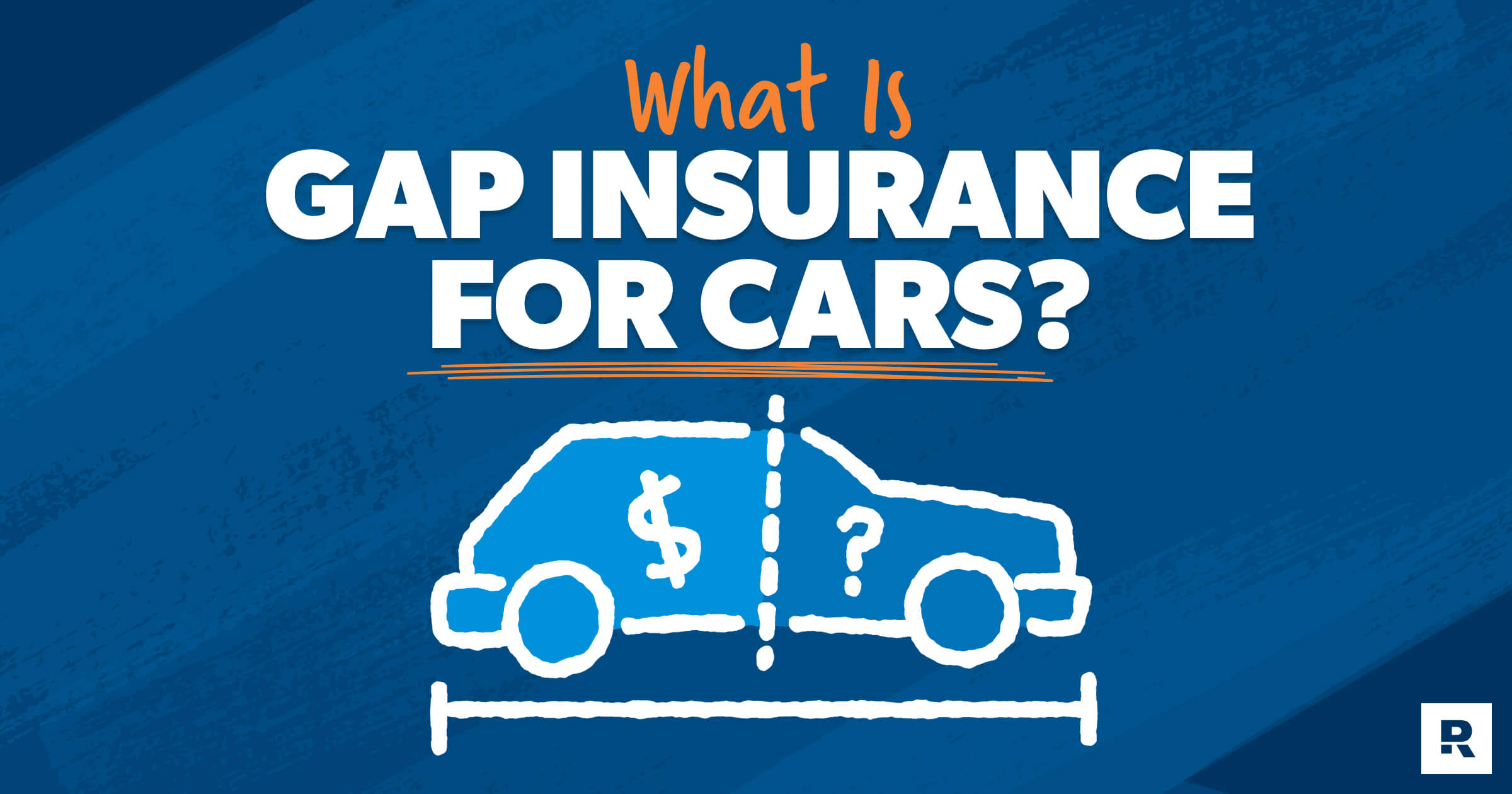
What Is GAP Insurance for Cars?
Ramsey Solutions

Insurance
Your Guide to Condo (HO-6) Insurance
Ramsey Solutions

Insurance
What Is Medical Payments Coverage?
Ramsey Solutions

Insurance
What Is Personal Liability Insurance?
Ramsey Solutions

Insurance
Do You Need Personal Injury Protection?
Ramsey Solutions

Insurance
What Is Title Insurance and Do I Need It?
Ramsey Solutions
Insurance
Uninsured Motorist Coverage
Ramsey Solutions
Frequently Asked Questions
-
Are insurance quotes free?
-
Yes! In fact, most companies will give you a free insurance quote—so you should never have to pay for one.
-
How much homeowners insurance do I need, and how much does it cost?
-
The short answer is, it depends. Your home’s value and location determine the amount, type and price of coverage you need. High-value or high-risk homes usually cost more to insure.
-
How much car insurance do I need?
-
We usually recommend at least $500,000 in liability. (That may sound like a lot, but medical bills, car repairs and lawsuits can easily cost hundreds of thousands of dollars after an accident.) For comprehensive and collision insurance, carry enough coverage to buy a vehicle of similar value if yours gets totaled.
-
What happens if I die without a will?
-
If you die without a valid will, that’s called dying intestate. At that point your state’s laws control who inherits your property. State intestacy laws generally give property to the people most closely related to you—even if that’s not who you would have picked. And those same laws will decide who gets custody of your kids if you have them. Those decisions are too important to leave up to strangers.
-
What’s the difference between term life insurance and whole life insurance?
-
The policy length, payout and cost are different.
Policy length: Term life insurance lasts for a set number of years (we recommend 15- or 20-year terms). Whole life insurance lasts for your whole life.
Payout: Term life insurance has a set payout, so the amount listed on your policy is how much your family will get.
But whole life insurance is a cash value policy. That means the insurance company invests part of your premium. (Don’t get too excited—those investments don’t grow much.) You only get the cash value if you live to the company’s maturity age (usually 120 years old). If you die sooner, your family gets a predetermined payout, and the insurance company keeps the cash value. (If it sounds like a rip-off, that’s because it is.)
Cost: Term life insurance costs 10 to 15 times less than whole life insurance . . . but you get more coverage.
-
How does health insurance work?
-
You'll pick and sign up for a health plan during open enrollment. You'll also sign up any family members who will be on your plan. Then, you'll pay a monthly premium to keep your policy active.
When you get health care services, you or your doctor's office will file a claim with the insurance company. The claim lets your insurer know how much you owe for the services, and they'll negotiate with your doctor's office to lower the costs. Depending on your plan, you’ll pay most or all costs until you hit your deductible. After that, your coinsurance kicks in—aka when the insurance company starts helping with the bill.
If you join a spouse or parent's health plan, ask them for a copy of the policy so you know exactly what’s covered.
-
How do I choose the best health insurance plan?
-
Take your time and compare multiple plans. Your health insurance affects your family, finances and quality of life. That’s a big deal! You need a plan that covers the care you’re most likely to need and fits your budget.
That’s why we recommend working with Health Trust Financial, a network of independent insurance agents who know the industry, and since they’re local, they know the laws in your state too. They’ll compare quotes and help you understand your options—all at no extra cost to you. Want a RamseyTrusted, vetted agent who’s guaranteed to put you first? Check out Health Trust!
-
What is a RamseyTrusted provider?
-
RamseyTrusted is a free service that connects you with national and local providers who help you work the Baby Steps and win with money. These are the people Dave and the whole Ramsey team trust to serve you well.
-
What does long-term insurance care insurance cover?
-
Long-term care insurance covers a lot of in-home care costs—including medical care and equipment, task assistance, and home modifications. So if it’s your goal to stay at home, long-term care insurance is a must. It also covers services outside your home like nursing homes, assisted living facilities and adult day care.
(Spoiler alert: Medicare won’t cover many of those costs.)
-
What features does a good identity theft protection plan include?
-
A good plan includes recovery services, Social Security number monitoring, data breach updates, 24/7 customer service, dark web monitoring for personal information, insurance to recover stolen funds, and family plan options.
Why do you need it?
Homeowners insurance helps protect your home and the belongings inside it if they’re damaged or destroyed by events like fires, lightning, hail or theft. It also includes liability protection if someone is injured on your property or if you accidentally damage someone else’s property.
Auto insurance helps pay to repair or replace your vehicle after an accident, theft or other covered damage. If you’re responsible for an accident, it offsets the cost of medical bills, legal fees or damages. Without the right coverage, one major accident or disaster could seriously slow down your path to building wealth.
How much do you need?
With homeowners insurance, your policy should cover the full cost to rebuild your home at today’s construction prices, not what the home could sell for on the market. It also needs to include enough personal property coverage to replace the belongings inside your home if they’re damaged or stolen. And in case someone is injured on your property, Ramsey recommends $300,000–500,000 in liability coverage.
For auto insurance, make sure your coverage can repair or replace your vehicle if it’s damaged or totaled. And when it comes to liability protection, Ramsey recommends at least $500,000, if possible, to better protect your finances from lawsuits.
How much does it cost?
Many households spend around $150–200 a month per car on car insurance, whereas homeowners can spend anywhere from $40–400 a month. Your actual cost will depend on things like location, driving history, and coverage levels. See our guide on the average cost of car insurance and homeowners insurance to learn more.
Why do you need it?
If anyone depends on your income, you need life insurance right now. But you also need the right kind of life insurance. Policies that try to combine insurance and investing (like whole life) come with high costs and bad returns. Term life insurance is simple, affordable, and does the only thing life insurance is supposed to—replace your income if you die.
How much do you need?
We recommend getting a 15–20-year term life policy worth 10–12 times your annual income. And since term life is way more affordable than whole life, you can invest the extra money you’ll save in good growth stock mutual funds that yield way better returns.
How much does it cost?
Factors like health, age, gender, policy length and policy size play a role in the cost of term life. For example, a healthy 30–40-year-old man might pay about $40–60 per month for a 20-year, $1 million policy, while a woman the same age might pay around $30–50 per month for the same coverage. Check out our article on the average price of term life insurance by age to learn more.
Why do you need it?
Health insurance helps pay for the often-expensive costs of medical care—hospital visits, surgeries, emergency room stays, prescription drugs, all kinds of things. No one’s immune to serious medical situations, and care without coverage is crazy expensive—so everyone needs this.
How much do you need?
The right plan depends on how much risk you can afford to take on. Most health insurance companies offer an 80/20 Preferred Provider Organization (PPO) plan. That means after you pay the deductible, the insurance company will cover 80% of the costs and you’ll pay 20%. But many companies also offer a 70/30 plan. That makes you responsible for more risk but lowers your premium. And again—with a big emergency fund, that’s no problem.
Choosing a higher deductible can lower your premium (yes!), but only do that once you’ve built up a fully funded emergency fund that can handle it. If you and your spouse are healthy and don’t expect to regularly use medical services, a High Deductible Health Plan (HDHP) can save you money on premiums too. These plans come with a Health Savings Account (HSA) that offers benefits like tax-free contributions, tax-free growth, and tax-free withdrawals for medical expenses.
How much does it cost?
If you can get insured through your employer (usually the cheapest option), the average cost is $111 per month for individual coverage and $509 for family coverage. If you can’t, the average cost is about $456 per month for individuals and $1,483 for families, depending on your age, location and plan. Check out our article on the average cost of health insurance for more info.
Why do you need it?
Long-term care insurance covers costs related to nursing home care, assisted living facilities, or caretakers coming to your house. When you’re 60, you need a policy in place. Before then, it’s not worth it.
How much do you need?
For traditional long-term care policies, you pay an annual premium for a set amount of coverage. You choose how long the term of your coverage will go (often 2 to 3 years) and how much money you’ll get. You’ll want something in the neighborhood of $150,000–300,000.
Hybrid policies combine life insurance with long-term care. You can access the death benefit while you’re alive to cover long-term care costs. And if you end up not needing care, your heirs get the full payout. If your health disqualifies you for traditional LTC, hybrid’s an option, but we don’t usually recommend them due to the higher cost.
How much does it cost?
Long-term care insurance costs vary based on your age, health and coverage. For example, the average 60-year-old man pays about $1,200 per year, while a 60-year-old woman pays about $1,960 for a policy covering around $165,000 in care. Couples often get discounts, with the average combined policy costing about $2,550 per year. Buying coverage around age 60 usually keeps premiums more affordable. Check out our article on the average costs for long-term care for more.
Why do you need it?
Almost every adult should have a will, especially if you’re married, have kids, own a home, or have money or belongings you want to pass on. It’s one of the best ways to say “I love you” to your family. It keeps the state from deciding who gets your stuff, and protects the people you care about from wasted stress, money and drama.
What kind do you need?
For most people, a simple online will is the best choice. It covers the basics—like deciding who gets your assets, naming guardians for your kids, and appointing an executor to carry out your wishes.
You may want to work with an attorney if your situation is more complex—like owning property in multiple states, running a business, having a blended family, special circumstances for your kids, or managing an estate that exceeds $1 million.
An online will still works in most situations, like if you’ve had a simple finalized divorce, have legally adopted children, or you run a side hustle or do contract work without an LLC.
How much does it cost?
An online will usually costs somewhere in the ballpark of $100–300, while an attorney-built will could cost anywhere from $300–1,000 or more. See our article on the average price of the different types of wills for a deeper dive.
Why do you need it?
While you’re beating debt and building wealth, cyber criminals are online trying to steal your identity. This could look like taking your personal info to drain bank accounts, using your medical services, taking out loans in your name, or worse. They even target the identities of kids! Identity theft protection helps you recover what was stolen, saving you countless hours, and keeping your financial future on track. But just remember: Recovery services only apply to identity theft that happens after your plan is in place. So getting it now is crucial.
How much do you need?
If you’re single, don’t have a ton of assets, and don’t do a lot of online shopping, then a basic individual plan works. Otherwise, a premium plan is the safest way to go. The same goes for families—if you have either a spouse or kids, but have fewer assets and don’t shop online much, a basic plan does the job. But a premium plan adds extra protection if you have more to lose.
How much does it cost?
Prices for identity theft protection services range from around $7–66 a month. Basic individual plans tend to be the least expensive, and premium family plans generally cost the most. But prices for those features differ widely between companies.