
Ramsey Education
From Elective to Essential
See how one Washington high school teacher is turning personal finance from an elective into a foundational life skill.


Did you create a fun experience to connect with your students? Have you seen a student apply what they’ve learned outside the classroom? Tell us how you made it happen!
See how one Washington high school teacher is turning personal finance from an elective into a foundational life skill.
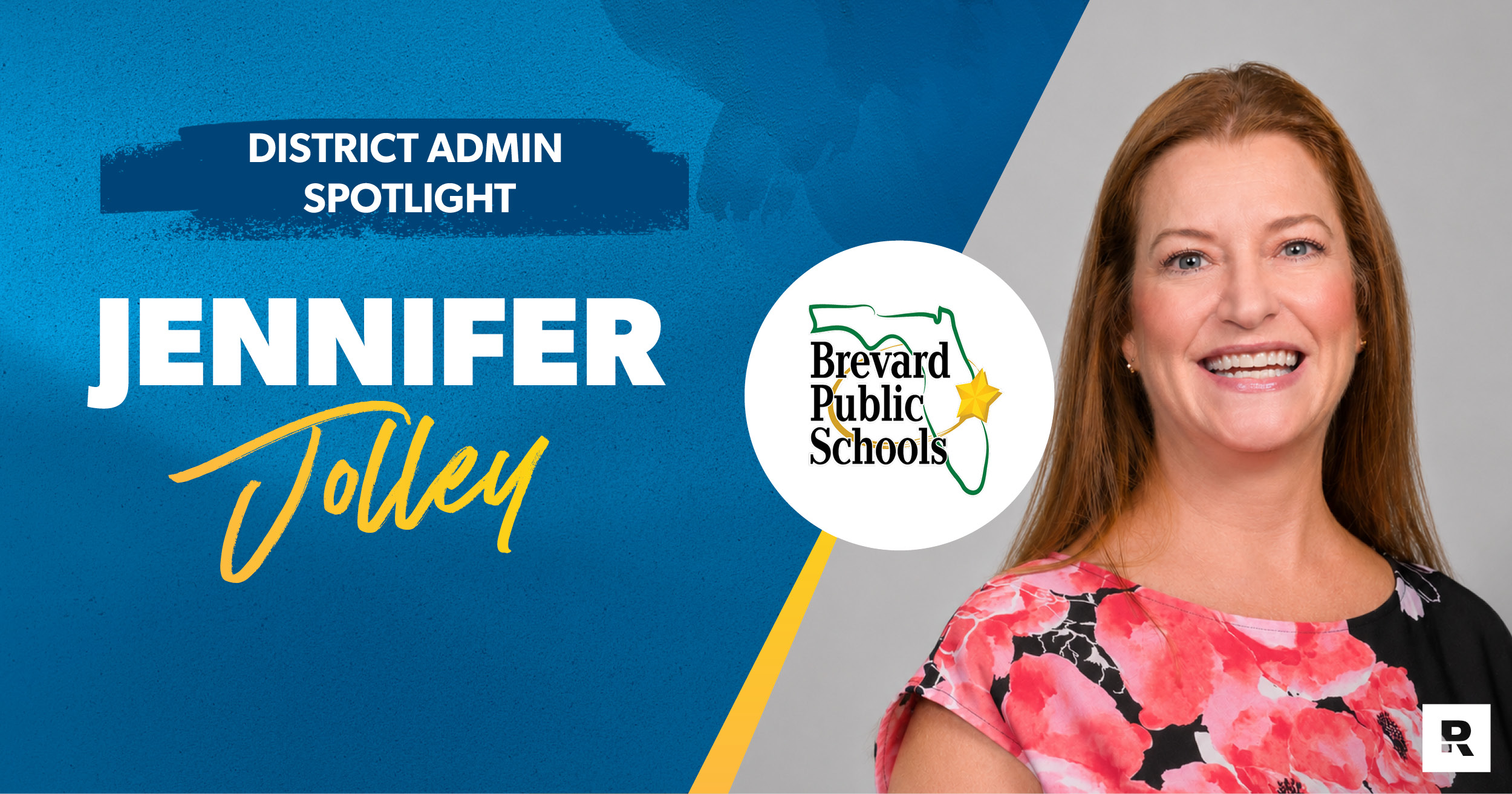
When Florida’s new personal finance graduation requirement took effect, Jennifer Jolley knew teachers needed more than great resources. They needed a team that would show up, celebrate them, and build their confidence teaching a subject many were learning for the first time.
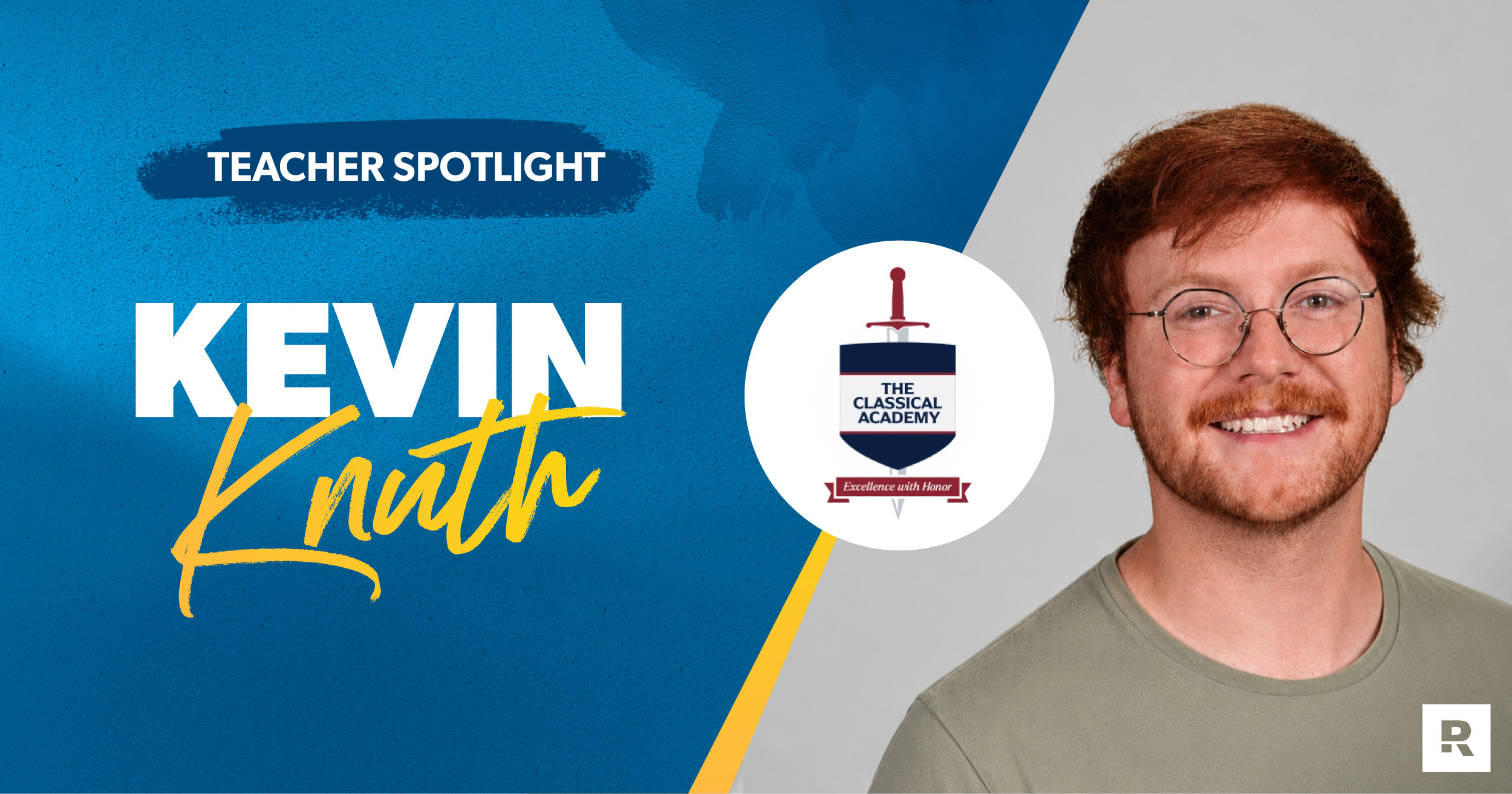
Before loans, college degrees and money decisions become permanent, this Colorado teacher is helping students rethink everything they assume about money and their future.
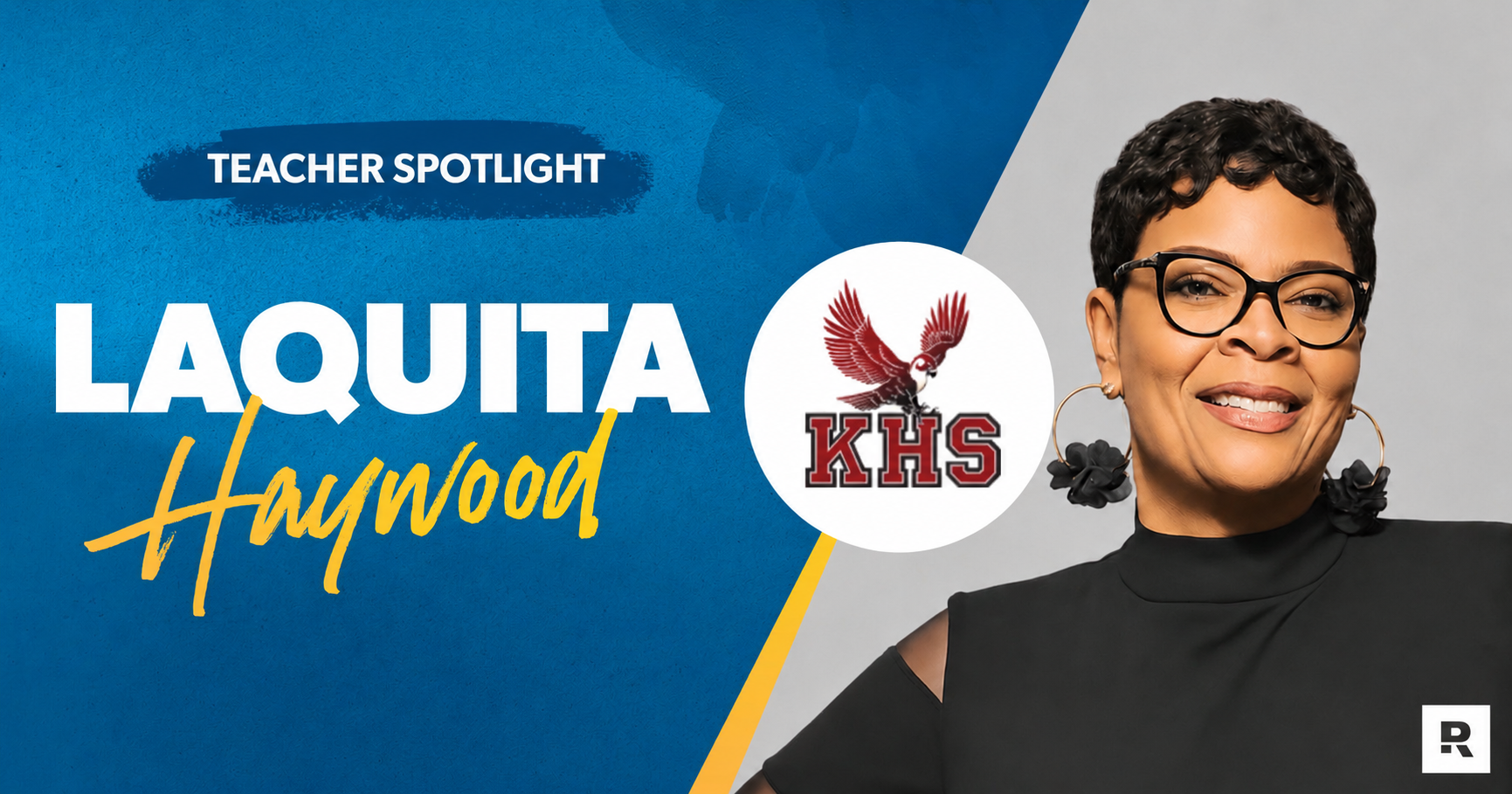
LaQuita Haywood was only 19 when she made financial decisions that would follow her for years. She shares that story with her students to help them understand that the money choices they make now can shape the opportunities they have later.
One teacher is helping students build a plan for college, careers and money before costly decisions shape their future.
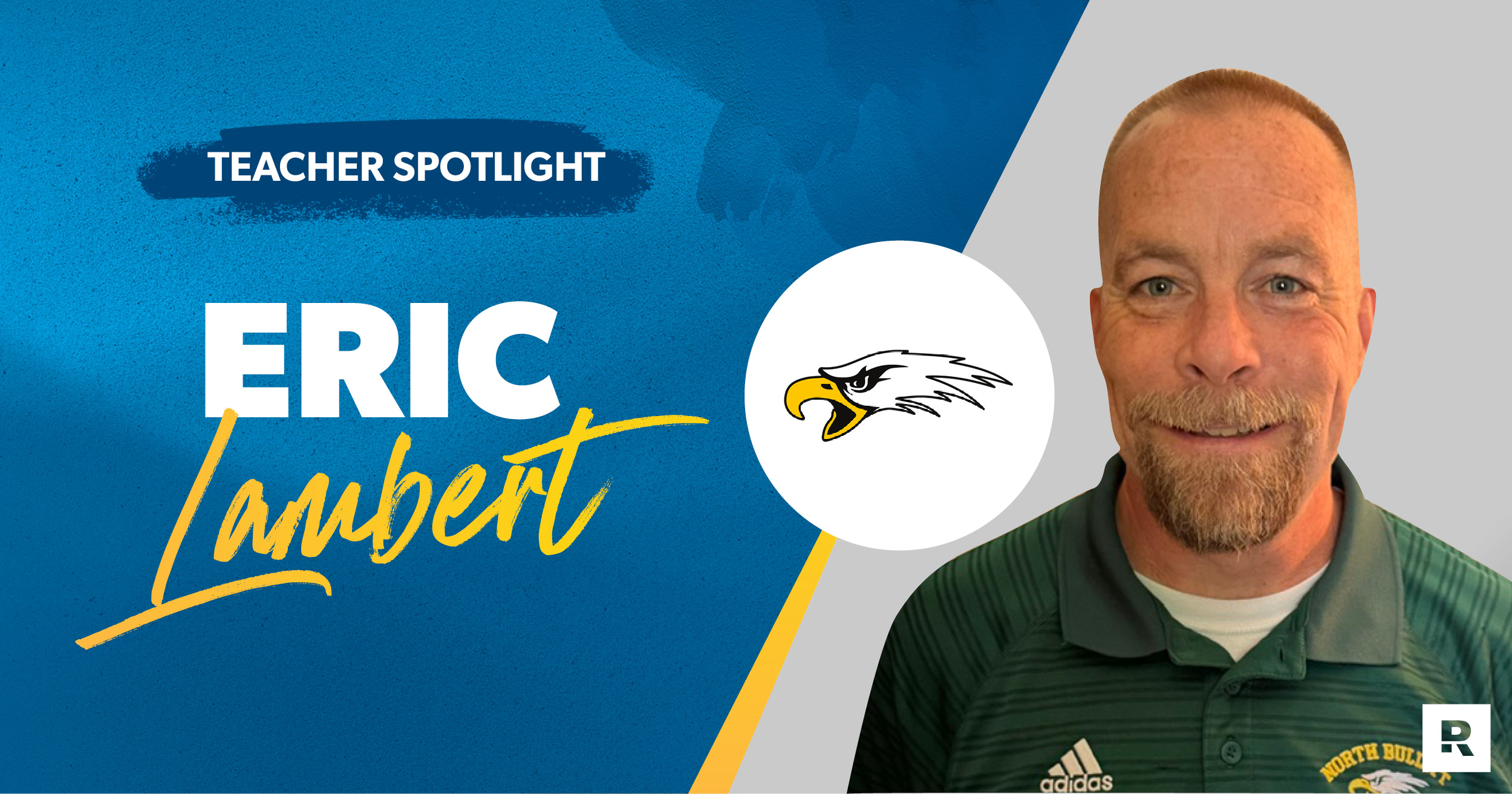
A teacher’s impact isn’t always measured in data. Sometimes, it shows up years later in the financial decisions students make.
Keeping students engaged isn't easy, but these teachers make it happen every day. With creativity and dedication, they're helping students gain the confidence and money skills they need for the future.
Harry brings personal finance to life by helping students see money as more than numbers on a page. After teaching fundamentals like budgeting, investing and taxes, he challenges students to apply what they’ve learned. He has them research and present a charity they care about—competing for a $200 donation he makes on the winning student’s behalf. As students share causes that matter to them, they begin to see that money is about more than building wealth. It’s about making an impact.
Harry Price
Orangewood Christian School
Michael Yaughn gets his students’ attention with a simple admission: “I did some stupid things with money in my twenties—and it cost me some of my thirties.” That transparency gives his lessons real credibility. When Michael teaches about budgeting, debt, and how financial choices affect their future, his students know he’s speaking from experience. And he teaches with one goal in mind: to help his students avoid the same costly mistakes and choose a better path.
Michael Yaughn
Crawford County Middle High School
Wesley Duncan wants his students to leave high school with a plan for their money. At Columbia Central High School, where many students face financial challenges at home, his classroom is where “I can’t afford that” turns into “I can plan for that.” He’s helped students save up to buy their first cars, showing them what’s possible with patience and discipline. With more than 20 years in education, Wesley is focused on one thing: helping students build a future they can be proud of.
Wesley Duncan
Columbia Central High School
If you want to see what real-world learning looks like, spend a day in Kathi Beach’s classroom. She teaches the practical money skills many adults wish they’d learned earlier—from budgeting to understanding insurance. With over 25 years of teaching experience, Kathi has seen firsthand how unprepared students feel when it comes to finances. That’s why she’s committed to making sure her students leave high school ready to handle real expenses, make real decisions, and take real responsibility.
Kathi Beach
Humboldt High School
After more than 30 years in education, Valerie McDonald saw a troubling reality. “We’re graduating students with no knowledge of money . . . and it’s a crisis,” she said. Valerie watched students make life-altering financial decisions—especially around college—without fully understanding the long-term impact of debt. Determined to change that, she helped build a financial literacy program from the ground up. Now, she’s equipping students with the tools to make smarter choices so they don’t start adulthood already behind.
Valerie McDonald
Falconer Middle/High School
Erik Yost measures success a little differently. After 28 years in the classroom, it’s not about tests or grades. It’s about former students who come back saying, “I maxed out my Roth IRA, I max out my 401(k) . . . I’ve got money in there already.” After leaving the history classroom behind, Erik built his personal finance course from scratch—one focused on building real-world money skills. Today, he’s helping students learn how to save, invest and think long term. Because for Erik, the real win is simple: Students get ahead early instead of playing catch-up later.
Erik Yost
Mahopac High School
At North Hardin High School, every senior takes personal finance with Diane Trotta. She sees that time as a chance to help students think beyond graduation and start making real plans for their future. She brings lessons to life by inviting guest speakers, organizing field trips to local car dealerships, and walking students through real-world decisions they’ll face after graduation. Whether they choose college, the military or the workforce, Diane challenges her students to leave high school with a plan—because success starts with direction.
Diane Trotta
North Hardin High School
A student walked into Melissa’s personal finance class eager to get a loan for a Tesla, open multiple credit cards, and start investing in real estate by age 18. By the end of the year, he had a different plan. Instead of rushing into debt, he decided to slow down and be more intentional. Not because someone made him, but because Melissa’s class showed him why it mattered. Having learned money lessons the hard way, Melissa is passionate about helping students avoid them altogether. In her class, students learn that success isn’t about looking wealthy, but about having the patience to build a strong foundation. The kind that gives them the freedom to pursue what they’re created to do.
Melissa Smith
Christian United Schools
David’s students arrive curious about one thing: how to make money grow. Over the course of his personal finance class, they discover how compound interest rewards patience. How debt can stand in the way of their goals. And how a plan can take them further than a paycheck alone. For many, the class helps them see further than five minutes into the future—to what their life could look like if they build smart money habits now. In a community where financial opportunities feel out of reach, David gives students hope and a road map to the life they want to create.
David Hall
South Spencer High School
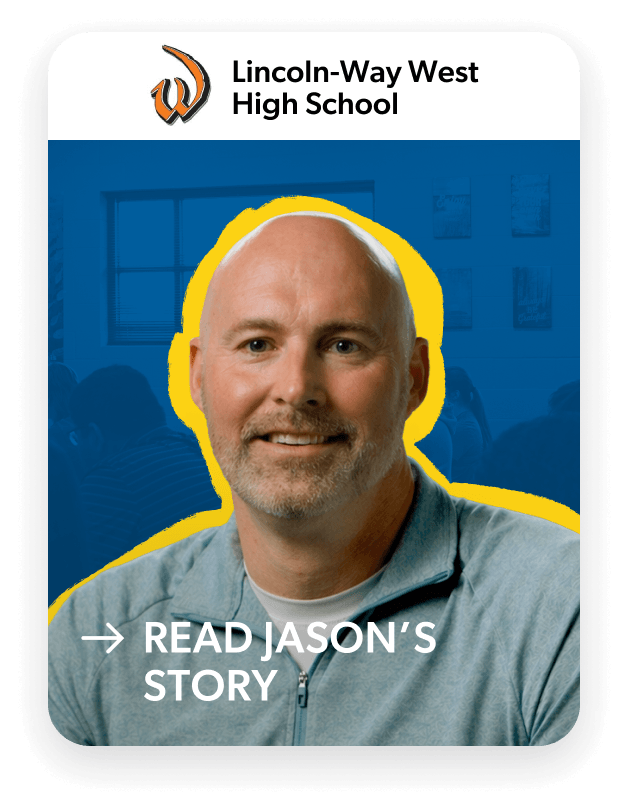
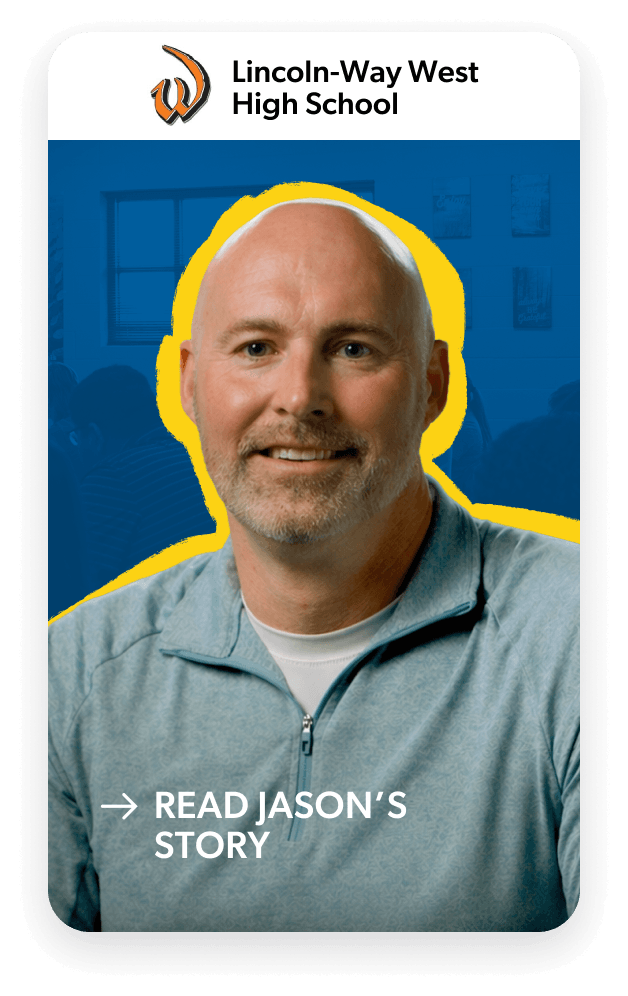
Jason Pearson's students walk into class thinking wealth is about flashy cars, big houses, and looking successful. But by the end of the semester, they’ve learned something completely different: Real wealth is built slowly and intentionally. See how he’s helping students rethink money—and their future.
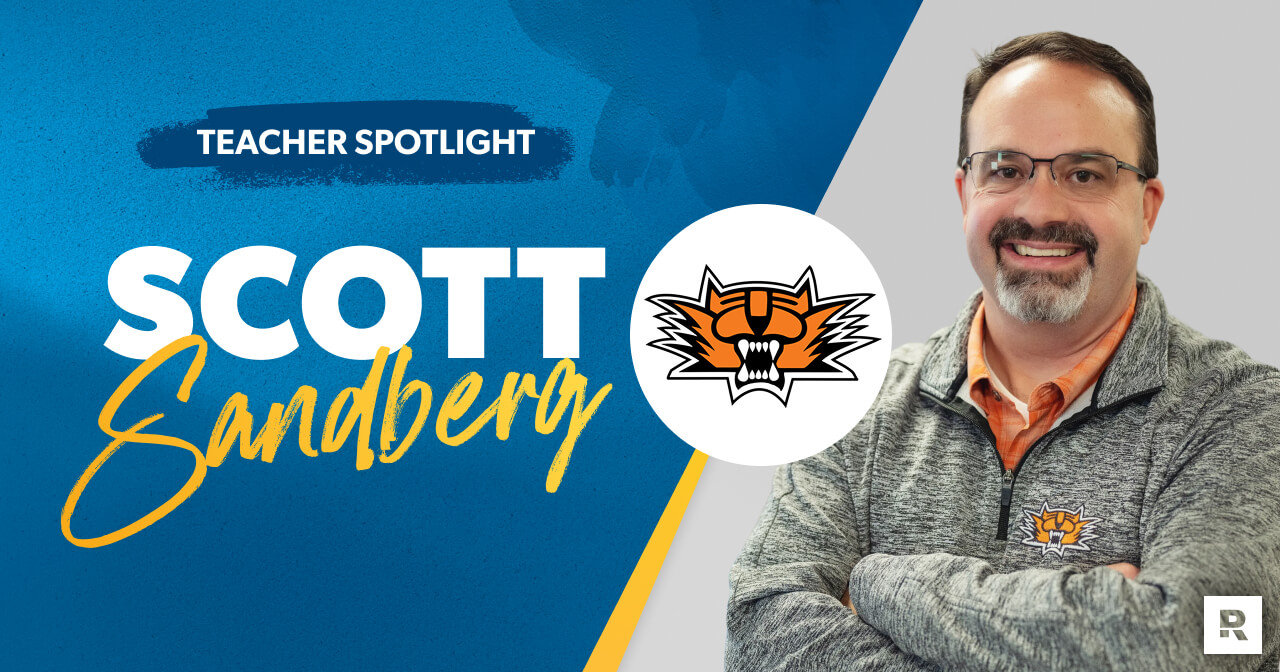
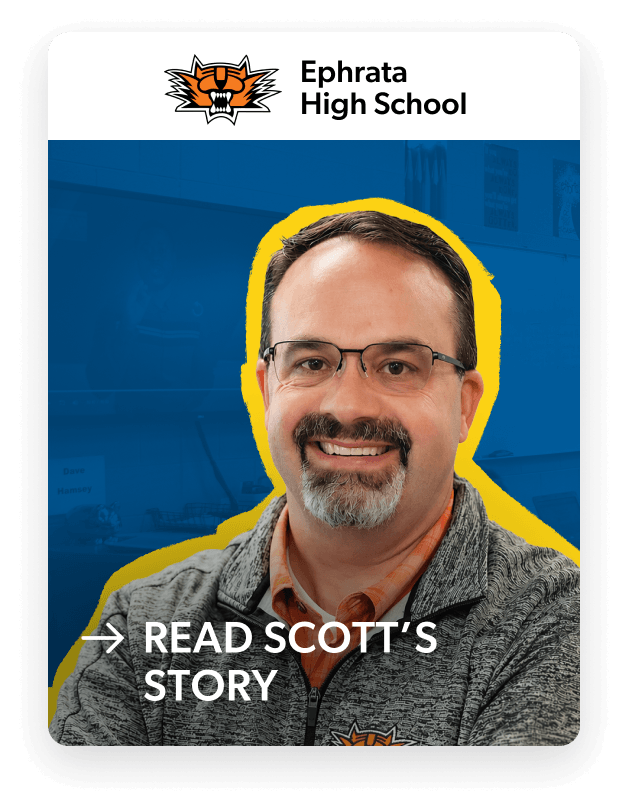
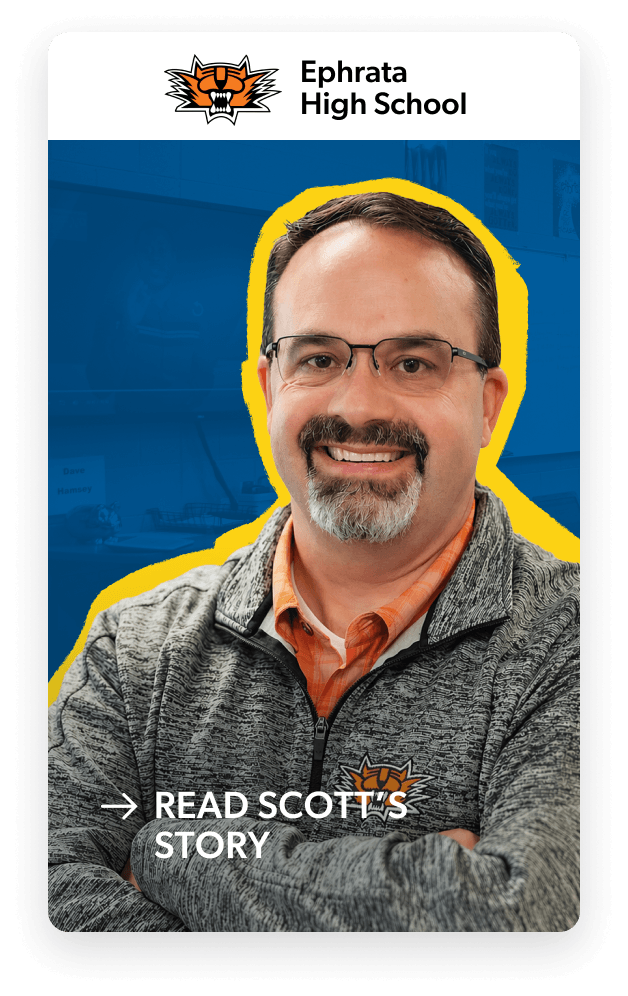
When Scott Sandberg asks his new students if they think they can become millionaires, only a few hands go up. After three weeks of his personal finance class, nearly every hand is raised. Learn how he teaches that mindset!
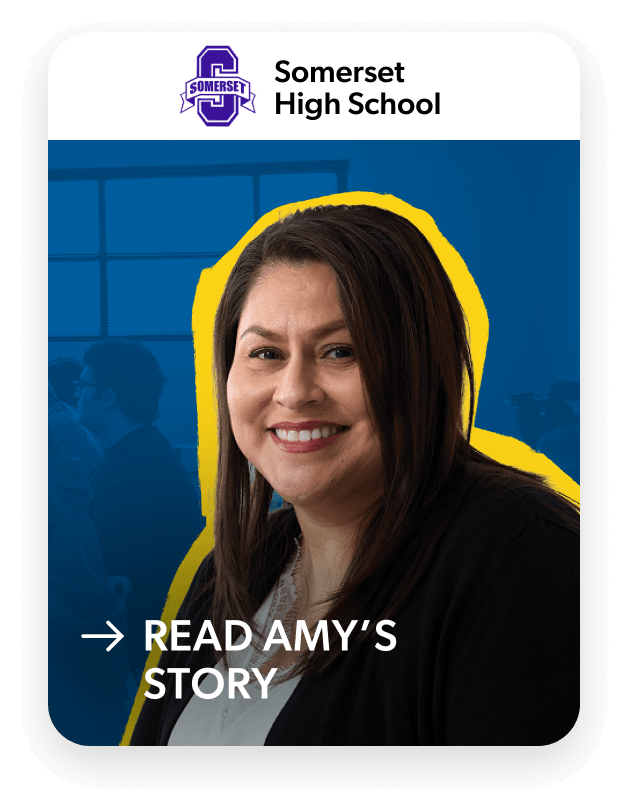
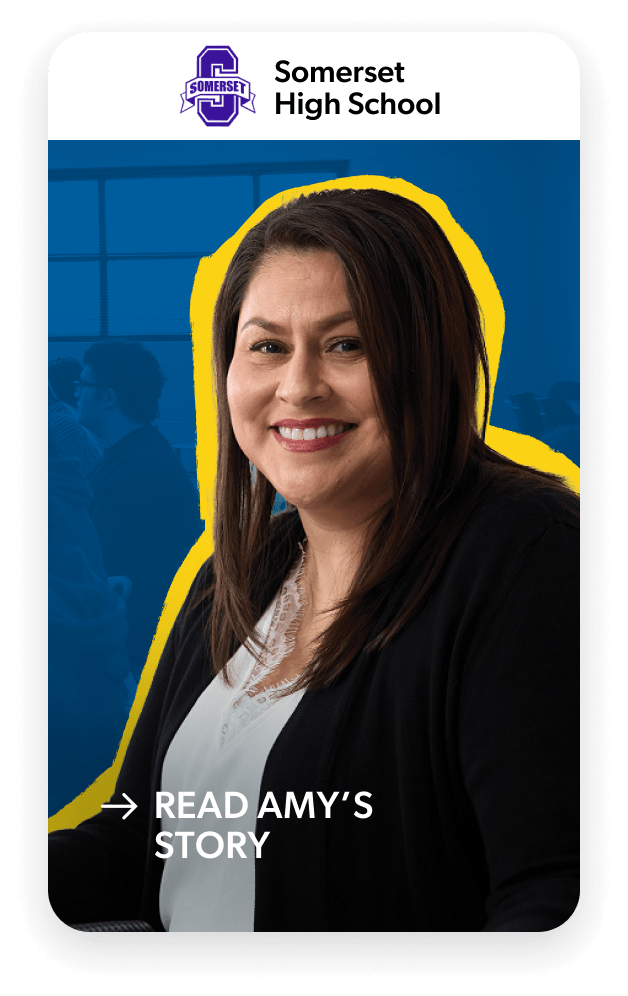
What if your students could rewrite their financial future? See how Amy Quintanilla is teaching what’s possible in a classroom where many students live below the poverty line.

Legal mumbo jumbo is no one’s cup of tea, but this is important stuff. By providing us your phone number and email address and clicking “Submit”, you are agreeing to be contacted by Ramsey Education via email, phone call, and/or text messages, and to the use of an automatic telephone dialing system, artificial or prerecorded voice, and/or AI-generated messages for the purpose of receiving advertisements for our products and services, and for the purposes outlined in our Privacy Policy and Terms of Use. Messaging and data rates may apply. Frequency varies.
You may opt-out of receiving text messages at any time by replying with the word STOP from the mobile device receiving the messages. You do not need to provide this consent to receive any products or services from Ramsey Solutions. However, if you opt out of receiving phone calls or text messages, you will not receive communications from Ramsey Education.