
Wait . . . I Can Do This!
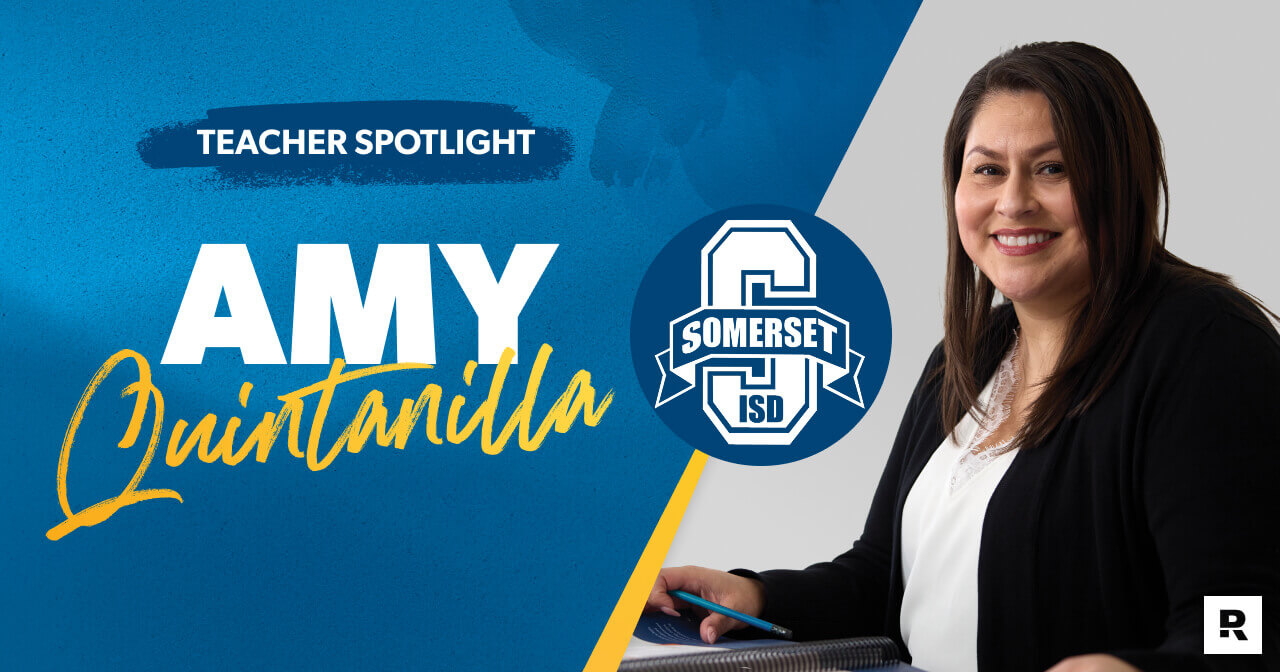
One Personal Finance Class Changed the Way Students See Their Future
At Somerset High School, just south of San Antonio, Texas, Amy Quintanilla teaches students who are already familiar with financial stress—often before they ever step into her personal finance class.
“At our campus, about 70% of students are living below the poverty line,” Amy explained. “Districtwide, it’s closer to 85%. Many of our students are from single-parent households or are being raised by their grandparents.”
Nearly all students receive free breakfast and lunch. For some, those meals are the only reliable food they have in a day. Amy sees firsthand how this kind of financial pressure at home shapes the way students think about adulthood long before graduation.
“I live in the community,” she said. “I can see that my students stress when their parents stress about groceries and paying the light bill.” That stress follows students into the classroom and impacts what they think is possible . . . and what isn’t.
When Money Feels Out of Reach
Before taking personal finance, many students already adjusted their expectations for the future. Not because they lack motivation, but because financial stress taught them to aim for stability over possibility.
“Most of my students don’t want to be millionaires,” Amy said. “Their goal is just to have some money in the bank and be able to pay their bills without stressing about it.”
That perspective comes up often in Amy’s classroom. Students talk less about getting rich and more about avoiding the anxiety their parents carry.
“To them, being comfortable is rich,” Amy explained. “It’s wealthy to them to be able to pay their bills on time and have some savings.”
Beyond Supply and Demand
When Amy learned she would be teaching Foundations in Personal Finance instead of a traditional economics course, she welcomed the change.
“I was really excited about the shift from core economics to personal financial literacy,” she said. “I saw that there was a need within our students to know how to open a bank account, to know how to manage their money, to know how to make a budget.”
Students often rule out college entirely because they don’t understand scholarships or grants. “I had a lot of students saying that they couldn’t afford to go to college,” Amy said. “They didn’t know the financial aspect of it, so they would just write it off as unaffordable.”
That disconnect shows up in other ways too. Traditional economics concepts often felt far removed from what students were dealing with day to day.
“They’re just worried about eating here at school and getting extra snacks because they don’t have food at home,” she explained. “So, they could care less about supply and demand and GDP.”
But personal finance is different. It connects directly to the questions students were already asking—or worrying about—even if they didn’t yet have the words for them.
The Moment It Clicked
As class progressed, Amy noticed small but meaningful changes. Students started talking through decisions out loud, referring back to their budgets, and asking how choices would affect their future rather than just their next purchase. Money felt less intimidating—and more manageable.
“One student told me, ‘Wait a minute. Do you mean I don’t have to worry about paying the electric bill every month like my parents do?’” Amy recalled.
Another student experienced a similar shift when thinking about college.
“He said, ‘Wait—you mean I can go to college?’” Amy said. “When he realized he could go to junior college, work, get some financial aid, and then transfer, he said, ‘I’m going to do it.’”
The biggest change Amy noticed is in how students talk about themselves.
“I started to see my students feel hopeful,” she said. “I see the confidence just sprout up in my students.”
Carrying It Forward
As an educator, Amy says teaching Foundations in Personal Finance is deeply fulfilling.
“We hope every year that maybe one or two students leave with one nugget of something that they carry with them their whole lives,” she said. “But with this curriculum, I get to see it on such a large scale.”
Now, students talk differently—about money, about the future, and about what’s possible. “They’re not frightened about it any longer,” Amy said. “They tell me they have confidence now, and hope.”
For many of her students, the realization that they can do this is the moment everything begins to change.
For more information about the Foundations in Personal Finance curriculum for high school and homeschool, visit Ramsey Education.
Get Weekly Insights Delivered Straight to Your Inbox
Did you find this article helpful? Share it!

About the author
Ramsey Education

Get proven Ramsey answers fast.