
Before Debt Becomes Their Default
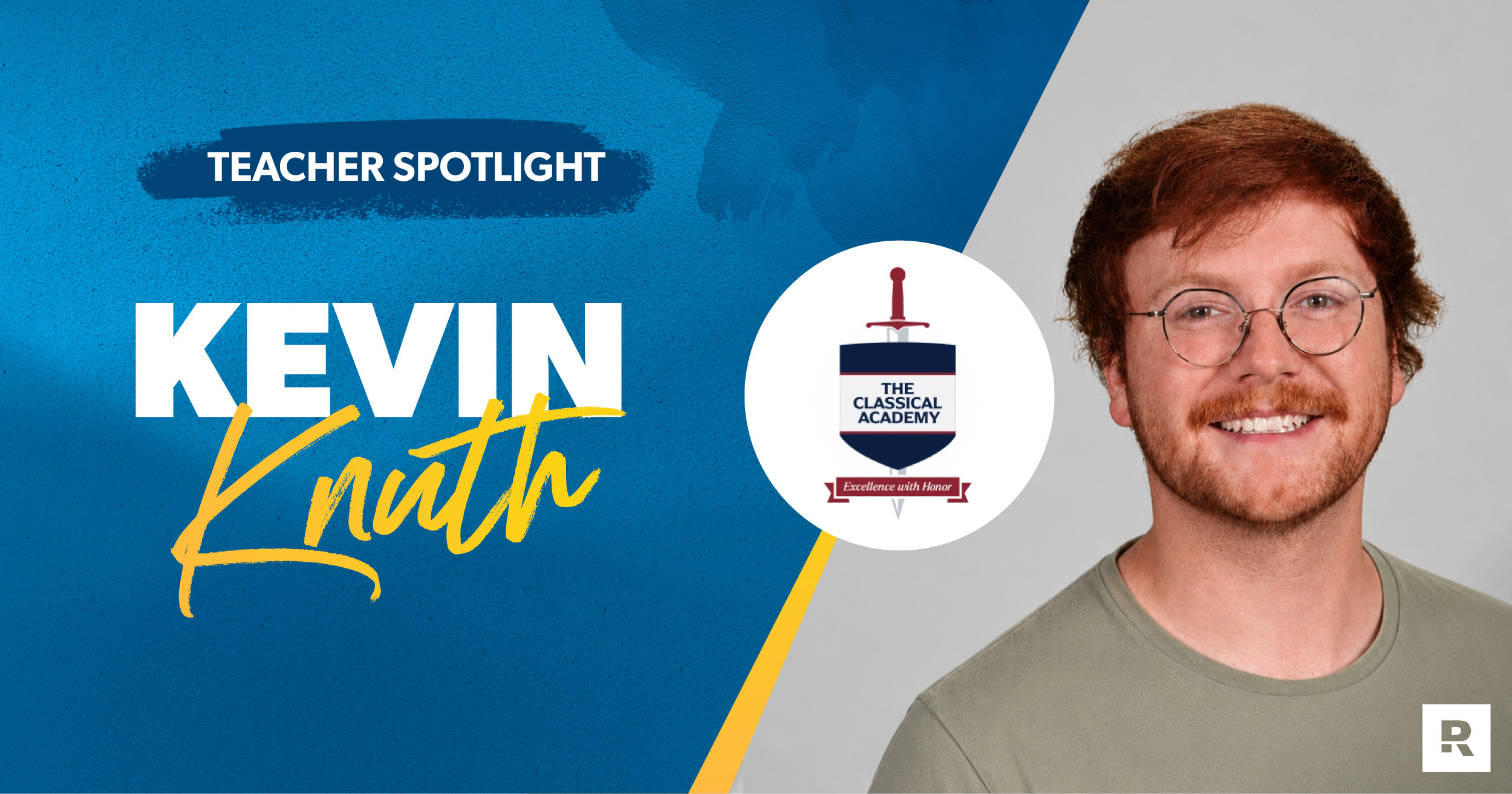
How One Teacher Is Helping Students Rethink What They’ve Been Told About Money
By the time students reach senior year, debt already feels like part of the plan. College means loans. A car means payments. Adulthood means figuring it out later. And those beliefs usually don’t get challenged until they have a price tag attached.
In Kevin Knuth’s classroom, that assumption gets challenged right away.
Kevin knows what can happen when students learn money skills early on because it happened to him. “I took this class in high school,” he says. “It changed everything for me. I learned how to save, avoid unnecessary debt, and I was able to buy a house earlier than I ever thought possible.” That’s why he teaches personal finance like a preview of what’s coming.
But most high school students don’t learn those skills early. They’re already making choices. They just haven’t seen the cost of them yet. Kevin is on a mission to change that.
When the Numbers Don’t Agree
One of the first ways Kevin challenges those assumptions is with a budget.
At first, students start talking like debt is already part of the plan. They say things like, “I’ll just take out a loan for a car,” or “I’ll go into debt for college.”
Then they plug in the numbers.
A $25,000 car. Monthly payments. Interest. The cost they pictured in their head starts looking very different on paper. But the math doesn’t argue. Debt is expensive.
Kevin lets that realization sink in. What sounded manageable minutes earlier suddenly feels expensive. And for many students, that’s the first crack in the assumption.
The Biggest Aha Moment
The same thing happens when Kevin brings up scholarships. A lot of students assume they’re already out of the running. But in class, they start researching them early.
Kevin remembers one student who was convinced her grades weren't high enough to win a scholarship. But she found an art scholarship, applied and won.
Another student found something even more unexpected—a $15,000 scholarship tied to barrel racing. Something she’d been doing for years but never once connected it to college funding.
Those are the moments that stick with Kevin: when a student stops saying, “I could never do that,” and starts asking “What if I tried?”
When Default Stops Being Automatic
Once students start seeing more ways to pay for school, Kevin widens the conversation even further. College isn’t the only path—it’s one of several. For many students, it’s simply the expected next step.
But Kevin shows them something else: skilled trades. The kind of work students have heard about but never seriously considered. Electrical work. HVAC. Welding. Jobs with real demand and income that get their attention. Then students start asking questions like, “What does life look like at 20 if I do this instead?”
For the first time, they’re not just following the expected path. They’re comparing options.
Students Start Rethinking the Future
For Kevin, teaching personal finance has never been just about money. It’s about watching students realize they have more choices than they thought.
“I’ve had students come back and say, ‘I bought my first car in cash,’ or tell me they earned scholarships they didn’t think were possible,” he says. “And they always tie it back to what we did in class.”
And that’s the goal. Kevin wants students to see that debt isn’t inevitable—it’s a choice. In his classroom, adulthood doesn’t start with payments they can’t afford. It starts with asking better questions.
Get Weekly Insights Delivered Straight to Your Inbox
Did you find this article helpful? Share it!

About the author
Ramsey Education

Get proven Ramsey answers fast.