



Request a Quote for Foundations in Economics
Complete the form below, and a team member will contact you with a custom quote for your school or district.
Not ready to connect yet? Explore the curriculum with a free trial.
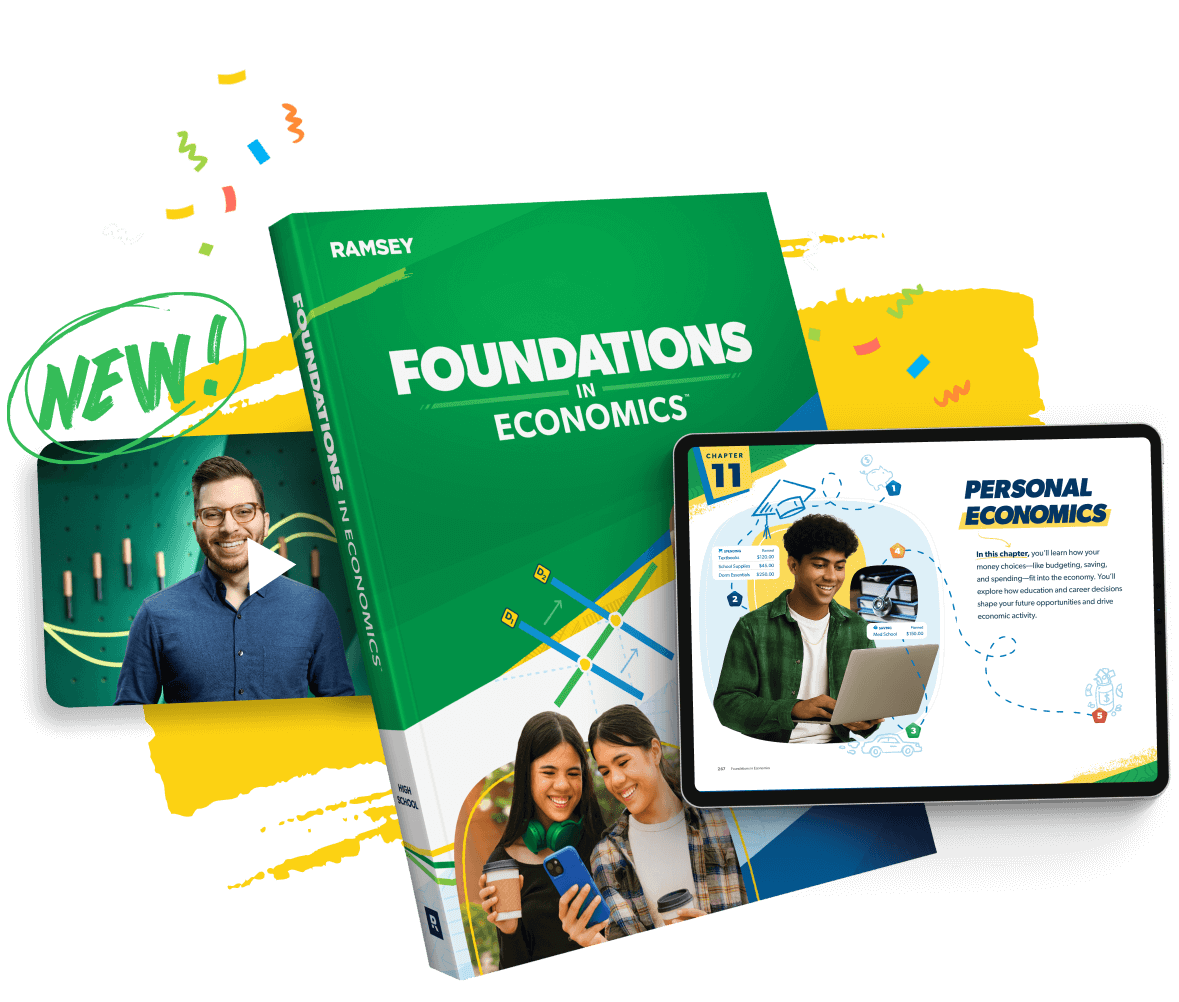
Now you can make economics feel real and relevant while meeting state and national standards. With 11 chapters and 49 lessons, this course makes it easy for students to learn how economic principles apply to real-life situations.
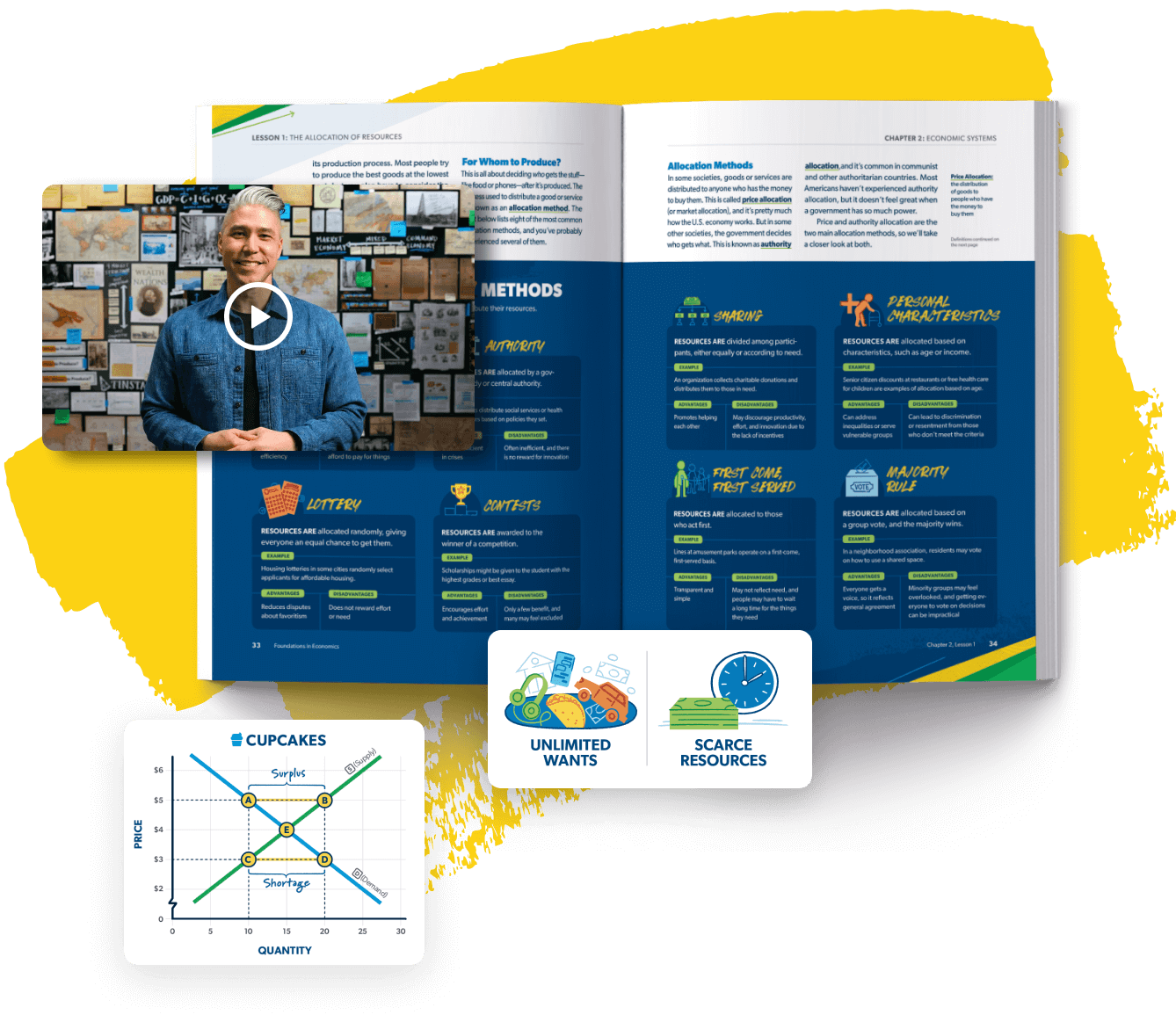
Curriculum Sample

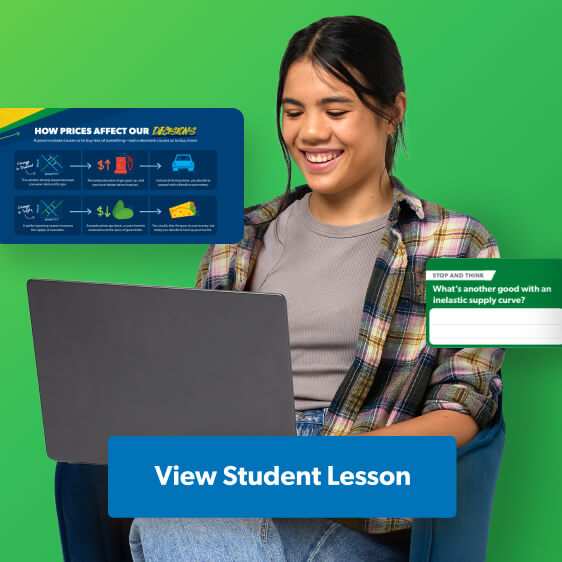
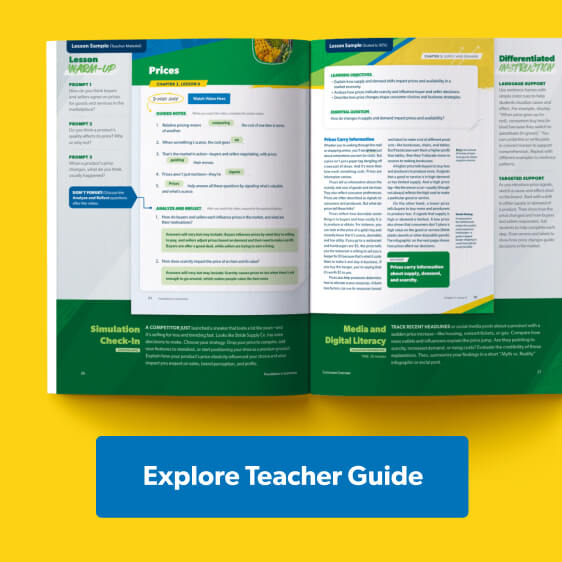
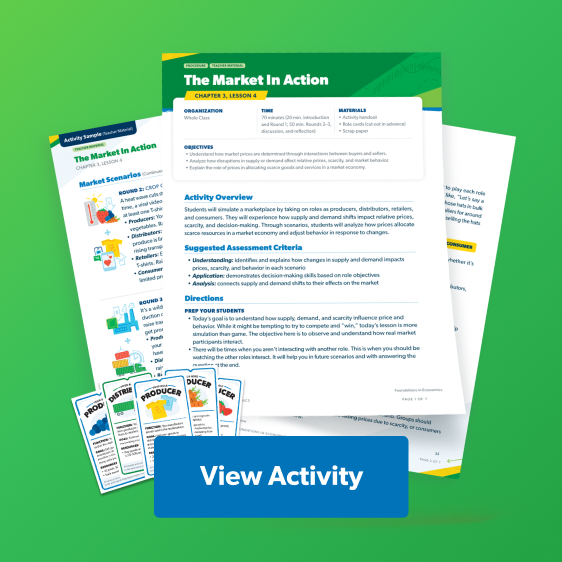
Explore our video lessons, student materials and Teacher Guide—all designed to make planning easier and learning stick!
Chapter 2, Lesson 1: The Allocation of Resources
Ready to Take a Closer Look?
In celebration of National Economic Education Month, sign up for a free trial in October and explore the full Foundations in Economics curriculum.
Standards-Aligned Economics That’s Engaging and Applicable
Meet state and national standards while helping students see how economics applies to real life!


. . .

With our comprehensive curriculum, teachers can skip the planning and prep work. It’s consistent and structured, making it easy to stay on track.
Comprehensive
Teacher Guide

Pacing Guides
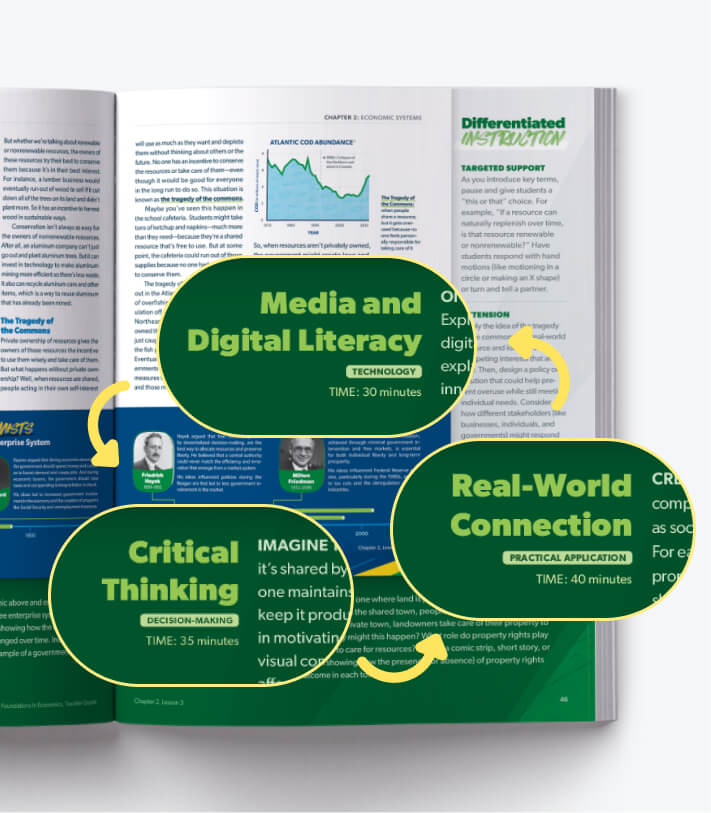
Thoughtful
Enrichment Prompts

Multiple LMS
Delivery Options
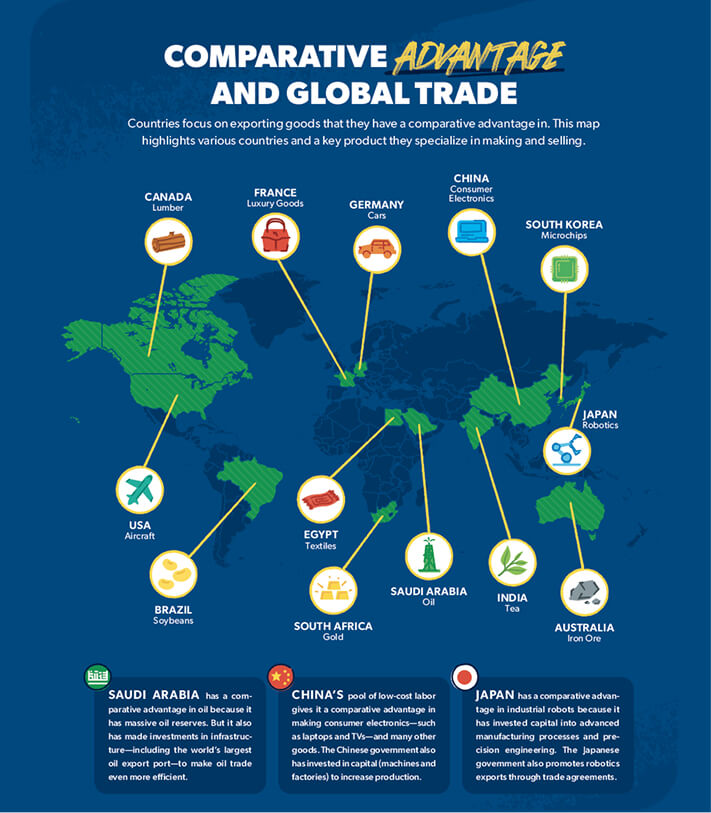
Easy-to-Understand
Infographics
Time-Efficient
Autograding

Engaging
Video Lessons
We’re Here to Help
Get tools and support to help you win in the classroom.
-

Curriculum support and training
-

Help Center
-

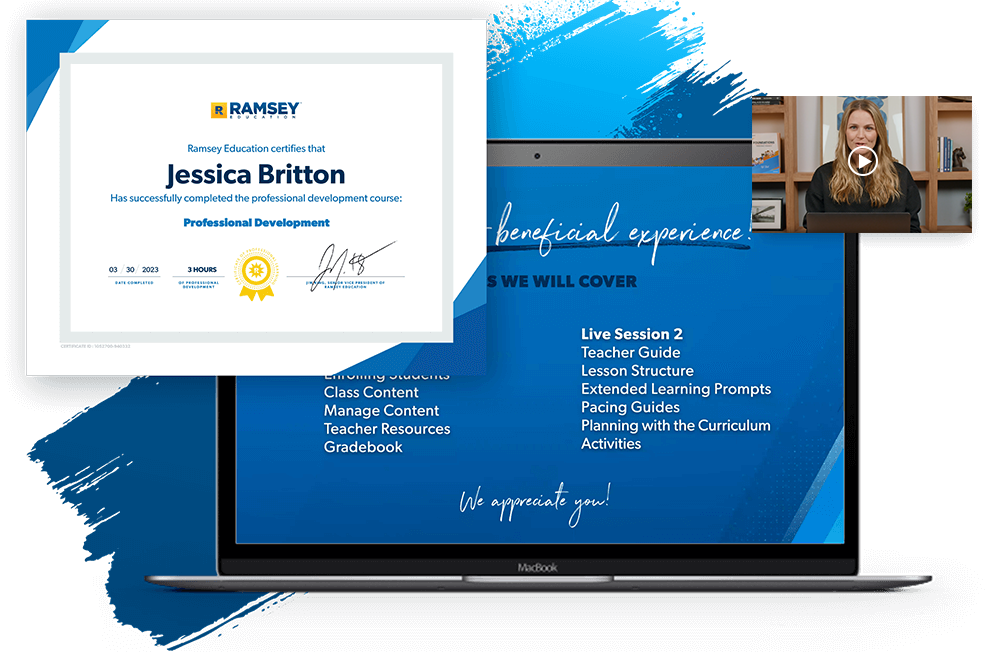
Professional development
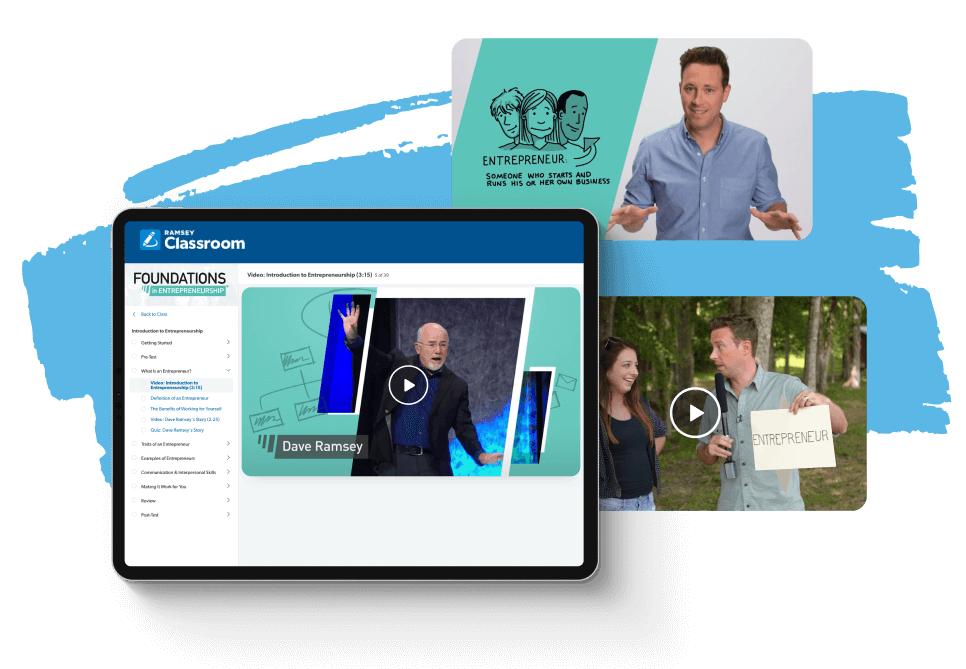
We Also Have an Entrepreneurship Curriculum
Teach your students how to start and run their own business with Foundations in Entrepreneurship.
Table of Contents
-
Chapter 1: Fundamentals of Economics
-
Lays the foundation for understanding how the economy works by exploring scarcity, opportunity cost, incentives, and the value of wise decision-making. Highlights the role of self-interest, utility, and long-run growth in shaping economic choices—from individuals to entire nations.
- Lesson 1: Why Economics Matters
- Lesson 2: Unlimited Wants, Scarce Resources
- Lesson 3: Decision-Making and Choice
- Lesson 4: Efficiency
- Lesson 5: Incentives
-
Chapter 2: Economic Systems
-
Explores how societies answer the basic economic questions through different systems—market, command, mixed, and traditional. Highlights the role of property rights, government involvement, and competition in shaping economic freedom and how goods and services are distributed.
- Lesson 1: The Allocation of Resources
- Lesson 2: Market vs. Command Economies
- Lesson 3: Property Rights
- Lesson 4: The Free Enterprise System
-
Chapter 3: Supply and Demand
-
Unpacks the laws of supply and demand, showing how prices are set in the market and how shortages and surpluses are resolved. Connects prices to decision-making, coordination, and incentives—and explains how wages are determined in the labor market.
- Lesson 1: Demand
- Lesson 2: Supply
- Lesson 3: Equilibrium
- Lesson 4: Prices
- Lesson 5: The Labor Market
-
Chapter 4: Trade
-
Explores how specialization and comparative advantage make trade more efficient. Breaks down the benefits and challenges of globalization, and the role of tariffs, quotas, and exchange rates in shaping international trade.
- Lesson 1: Comparative Advantage and Specialization
- Lesson 2: Efficiency of Trade
- Lesson 3: Globalization
- Lesson 4: Trade Barriers
-
Chapter 5: Navigating the Market
-
Explores how governments step in when markets don’t work perfectly—through public goods, subsidies, regulations, and price controls. Highlights how externalities and interest rates shape individual choices and long-term outcomes.
- Lesson 1: Externalities, Subsidies, and Regulations
- Lesson 2: Public Goods and Services
- Lesson 3: Price Controls
- Lesson 4: Interest Rates
-
Chapter 6: Production in the Market
-
Breaks down the different types of businesses structures, how they compete, and what drives their decisions. Explains the role of entrepreneurs, the costs of production, and how firms grow by weighing risks and rewards.
- Lesson 1: Market Structures
- Lesson 2: Factors of Production
- Lesson 3: Production on the Margin
- Lesson 4: Business Types
- Lesson 5: Entrepreneurship
-
Chapter 7: Economic Growth
-
Spotlights what drives long-term growth and how economists measure it. Focuses on GDP, the circular flow model, employment trends, and what influences standard of living and national prosperity.
- Lesson 1: Fundamentals of Economic Development
- Lesson 2: The Circular Flow Model
- Lesson 3: Measuring Growth
- Lesson 4: Standard of Living
- Lesson 5: Employment Trends
-
Chapter 8: Money and Banking
-
Explores what money is, how banking works, and why inflation matters. Covers the history of currency, how the Federal Reserve manages the money supply, and how monetary policy influences interest rates and affects broader economic goals.
- Lesson 1: The History of Money
- Lesson 2: The Banking System
- Lesson 3: Inflation
- Lesson 4: Monetary Policy
-
Chapter 9: Fiscal Policy
-
Breaks down how the government taxes, spends, and borrows to steer the economy. Explains the federal budget, the national debt, and how fiscal policy aims to control inflation, reduce unemployment, and support growth—while showing how political incentives shape these decisions.
- Lesson 1: Government Spending
- Lesson 2: Taxes
- Lesson 3: Applying Fiscal Policy
- Lesson 4: Political Economy
-
Chapter 10: Macroeconomic Theory
-
Explores how economies grow, slow down, and recover—plus how unemployment, inflation, and government responses fit into the big picture. Unpacks the business cycle, short- versus long-run thinking, and competing economic philosophies.
- Lesson 1: Business Cycle Theory
- Lesson 2: Unemployment
- Lesson 3: Policies and Progress
- Lesson 4: Schools of Economic Thought
-
Chapter 11: Personal Economics
-
Applies the key economic principles to personal finance by highlighting budgeting, saving, debt, housing, insurance, and investing. Spotlights how to take control of money with confidence and intentionality.
- Lesson 1: Intentionality With Money
- Lesson 2: Debt and Credit
- Lesson 3: College and Career Planning
- Lesson 4: Housing and Insurance
- Lesson 5: Investing and Your Future
State and National Standards Correlations
The Foundations in Economics curriculum aligns with state and national standards for economics. Correlations for states not listed can be generated upon request.
National Standards
Alabama Standards
Arkansas Standards
California Standards
Florida Standards
Florida Honors Standards
Georgia Standards
Idaho Standards
Michigan Standards
Minnesota Standards
Tennessee Standards
Texas Standards
Utah Standards
See How Our Economics Curriculum is Different Product Video Transcript
Runtime: approx. 3:24 | Speaker: Eddie Cullen
[00:00] Eddie Cullen: Hey! I'm Eddie Cullen, host of Ramsey Education's Foundations in Economics. I'm here to give you a behind-the-scenes tour of the set we built specifically for the curriculum.
[00:11] Eddie Cullen: At Ramsey Education, we're passionate about students and educators just like you. We believe economics shouldn't be a mystery—so we want to partner with teachers to create a classroom where students light up and realize this really applies to me.
[00:27] Eddie Cullen: But let's be real: not every student walks into econ class pumped to learn about price elasticity. That's where our approach makes all the difference.
[00:37] Eddie Cullen: Foundations in Economics is built to make econ real and relatable for students. And yes, it's standards aligned, so you can be sure students are learning exactly what they need in this course. That means teachers can hit every benchmark while helping students think critically.
[00:55] Eddie Cullen: Alright—let's talk about one of the biggest hurdles in a high school classroom: keeping students engaged. Foundations in Economics tackles this head-on with interactive, hands-on learning. I'm talking real-world projects, classroom simulations, and games that encourage students to lean in and participate. Designed by former educators, these scenarios help prepare students for real life.
[01:17] Eddie Cullen: We get it. Planning periods often turn into grading papers, answering emails, and trying to eat more than just a granola bar. That's why Foundations in Economics is built with teachers' valuable time in mind.
[01:31] Eddie Cullen: This curriculum is packed with engaging videos, vibrant infographics, and interactive activities—all designed to help students connect with the material. That means no more scouring the internet for extra resources or piecing together lessons.
[01:44] Eddie Cullen: With our curriculum, everything teachers need is already included.
[01:48] Eddie Cullen: Check out these features that make it easy to use.
[01:52] Eddie Cullen: So, whether you're a new teacher or a classroom veteran, this curriculum saves you serious time—so yes, you can drink your coffee while it's still hot.
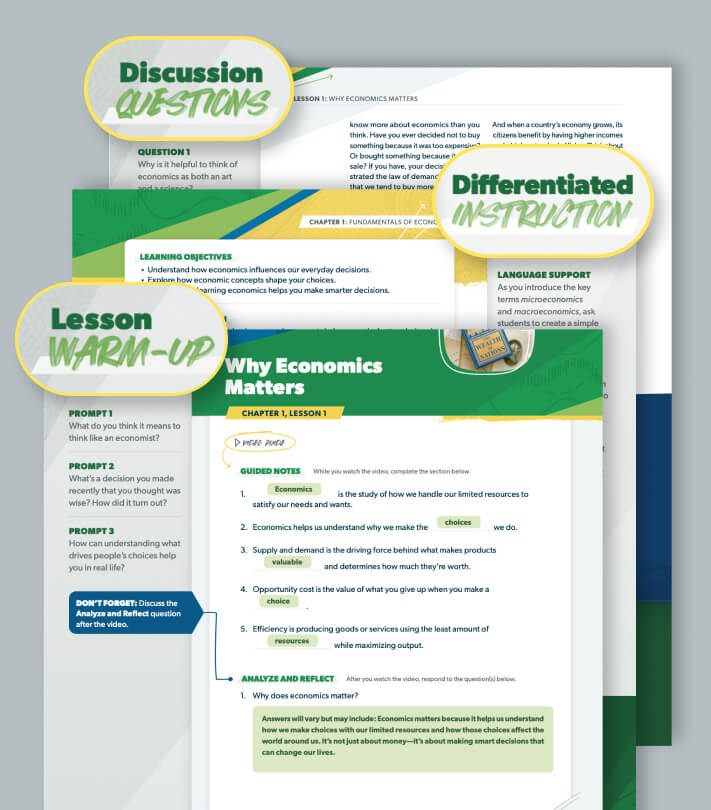
[02:02] Eddie Cullen: Now let's talk about making sure every student can succeed. Because let's face it—high school students aren't one-size-fits-all. Plus, that would be weird. That's why Foundations in Economics is designed to support many kinds of learners. The Teacher's Guide helps educators focus on how to teach the lesson material, rather than what to teach. It includes differentiated instruction with targeted support, extension, and language support. There's also lesson warm-ups, enrichment prompts, and discussion questions. It's all about helping teachers make the content meaningful for all students. We want to get them thinking, questioning, and really connecting with the material.
[02:41] Eddie Cullen: Now let's dive into one of the curriculum's most powerful tools: the video lessons. These aren't your typical lectures—they're dynamic, relatable, and grounded in real-world scenarios that matter to students.
[02:52] Eddie Cullen: We all know engagement is everything—so each video lesson is designed to help students grasp tough concepts in a, dare I say, fun way.
[03:02] Eddie Cullen: After all, if we want students to understand things like GDP, we need to show them how it connects—to things like movie tickets, sneakers, and why their favorite hoodie costs more this year. Take a look at some clips from our video content!
[03:18] Eddie Cullen: I might be biased, but I love that guy! Can we roll that again?
Frequently Asked Questions
-
Can I get a custom quote for Foundations in Economics?
-
Yes. Fill out the form above, and a Ramsey Education team member will reach out to learn about your class size and student needs. From there, we’ll provide a custom quote for your school or district.
-
Does Foundations in Economics support online or virtual learning?
-
Yes! Foundations in Economics is available in a fully digital option, as well as a print and streaming option. No matter what delivery method you choose, a printed Teachers Guide is available for purchase.
-
Can I teach Foundations in Economics in one semester?
-
Yes. Foundations in Economics is designed to be taught as a semester-long high school course. With 11 stand-alone chapters and flexible pacing guides, you can tailor the curriculum to fit your class schedule.
-
Does Foundations in Economics support differentiated learning?
-
Yes! Foundations in Economics includes differentiated learning prompts in the Teacher Guide to support students at different learning levels. It also includes enrichment prompts for students who are ready to go deeper.
-
Can I preview Foundations in Economics or talk to someone before I buy?
-
Yes. You can request a free trial through the form above and explore Foundations in Economics before purchasing. A curriculum advisor can also answer your questions and help you decide whether it’s the right fit for your classroom.
-
Does Foundations in Economics meet my state’s standards?
-
Yes. Foundations in Economics aligns with state and national economics standards. You can view correlations for select states on this page, and our team can generate correlations for states not listed upon request.
-
Is Foundations in Economics accessible for all students?
-
Foundations in Economics provides teachers with a wide variety of materials, including language support resources and extensions to make lessons meaningful for learners of all backgrounds.
-
What makes Foundations in Economics different from other economics courses?
-
Textbooks and test questions alone don’t make economics feel real to students. Foundations in Economics connects economic concepts to the financial decisions and real-world events students encounter every day. Each concept comes to life through our colorful, easy-to-follow student textbooks and engaging video lessons. From there, Enrichment Prompts help teachers lead meaningful classroom conversations around open-ended questions and real-world scenarios. Students don’t just memorize economics. They discuss it, apply it and see how it connects to markets, money and their own choices.