
You Can’t Measure This With Numbers
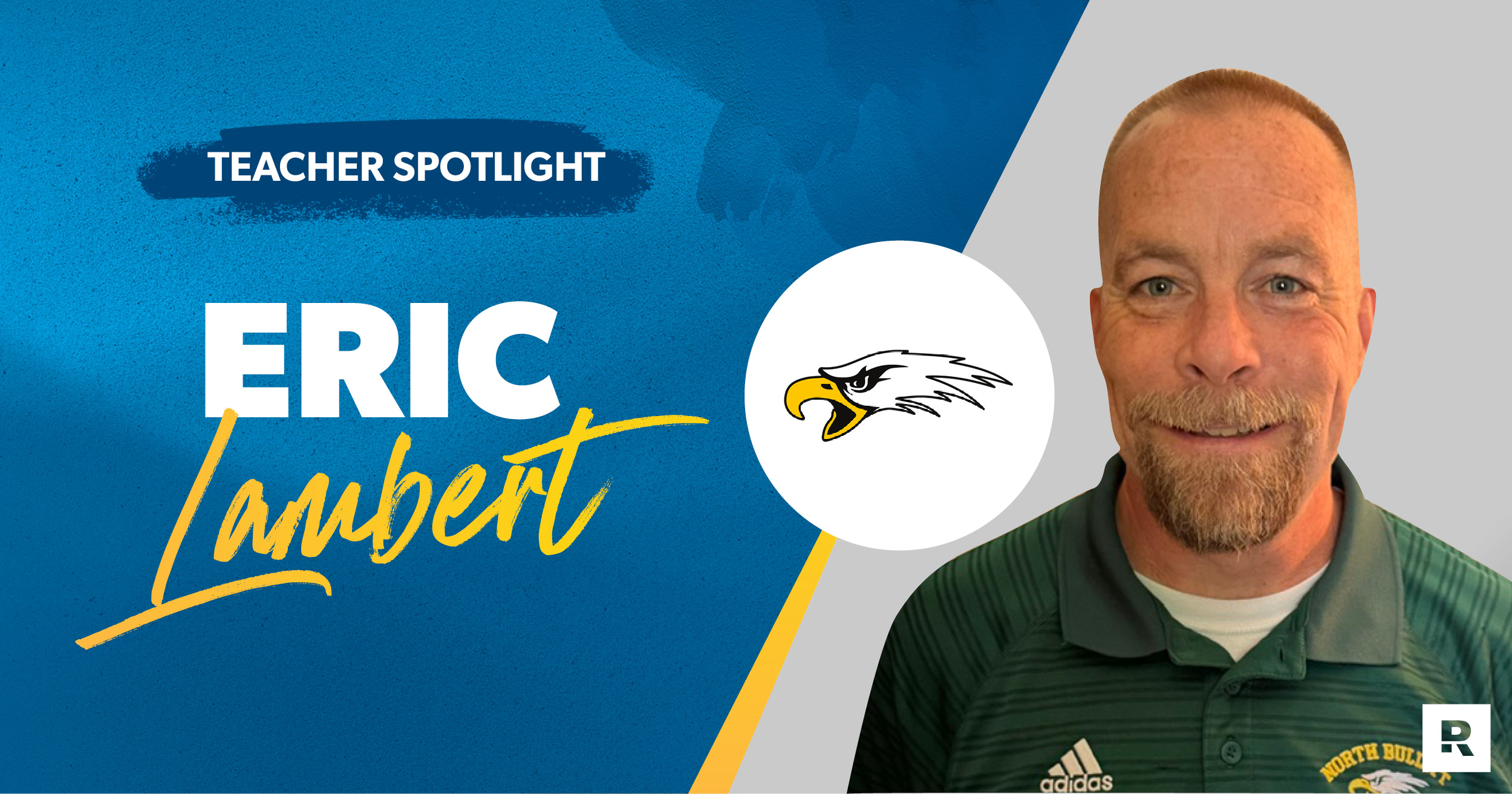
How One Teacher Sees the Real Impact of Personal Finance Education
There’s no data point for students who make better decisions five years later.
But for Eric Lambert, that’s the kind of outcome that matters most.
After 23 years of teaching personal finance at North Bullitt High School in Kentucky, he’s watched students leave his classroom and go on to make real-world decisions about debt, budgeting, and managing their money. Those outcomes don’t show up in test scores or reports, but in success stories he hears later.
“Students have reached out and given me evidence that what we do works—not necessarily in numbers, but in people,” he said.
For Eric, success isn’t defined just by what students can recall at the end of a course. It’s also defined by what they do with that knowledge later.
Reaching Every Student
Over the years, Eric has advocated for Kentucky to make personal finance a graduation requirement. Why? Because he’s seen what happens when students don’t learn those principles early.
Alongside a group of other educators, he traveled to Frankfort to speak with lawmakers and push for change.
“There was a group of eight of us . . . and I think seven of them were teaching the Foundations in Personal Finance curriculum like me,” he said.
Their efforts, along with support from teachers and administrators across the state, paid off. Starting in the fall of 2026, every high school student in Kentucky will be required to take a personal finance course before graduating.
That change expands access to personal finance education. But for Eric, the real value lies in timing.
When every student takes the class, teachers can reach them before bad habits around spending, saving and debt begin to take hold.
“I believe in trying to get to people before they become one of those statistics,” Eric said.
So instead of waiting for those lessons to become real, he brings them into the classroom.
Making It Real
Eric makes his lessons relevant for students through a real-life simulation he calls an “adulting project.” Instead of ending the course with a traditional test, students build a life on paper—one decision at a time.
They start by choosing a career and researching what it takes to get there. Then, they calculate what that career pays after taxes and turn that into a working monthly budget.
From there, their decisions become more complex.
“They’ve got to pick a career, figure out what level of education they need, and then build a real budget—housing, car, food, everything,” Eric explained.
Students find housing, choose a car, and account for everyday expenses. And just like in real life, things don’t always go according to plan.
“We give them scenarios, like ‘Your water heater just broke—what do you do?’” he said. “I also force them to have debt . . . then we ask, ‘What would it look like if you didn’t have that?’”
Those scenarios open his students’ eyes to how managing money works in the real world. For some of them, it’s the first time they’ve had to live on a budget or think about needs versus wants.
And one of the best outcomes from this simulation? Students see how every decision has a ripple effect on their lives.
A car payment affects their ability to pay for college. An emergency fund saves them from going into debt. Getting clarity on what career they want helps them choose the right education.
“I want them to be prepared on the front end from here forward,” Eric said. “They don’t have to fall into the same money traps that most people do.”
Measuring True Success
Making personal finance a graduation requirement ensures that every student leaves high school with money skills and knowledge.
What happens after that—the part that matters most—is harder to capture. After 23 years, Eric knows those outcomes won’t appear in a gradebook or a data report.
But he sees them in the way his students move forward with more awareness, more confidence, and a clearer understanding of their choices.
Because in the end, success isn’t defined by what students know—it’s defined by what they do.
Get Weekly Insights Delivered Straight to Your Inbox
Did you find this article helpful? Share it!

About the author
Ramsey Education

Get proven Ramsey answers fast.