
What Is a Credit Card Balance Transfer?
 By
By 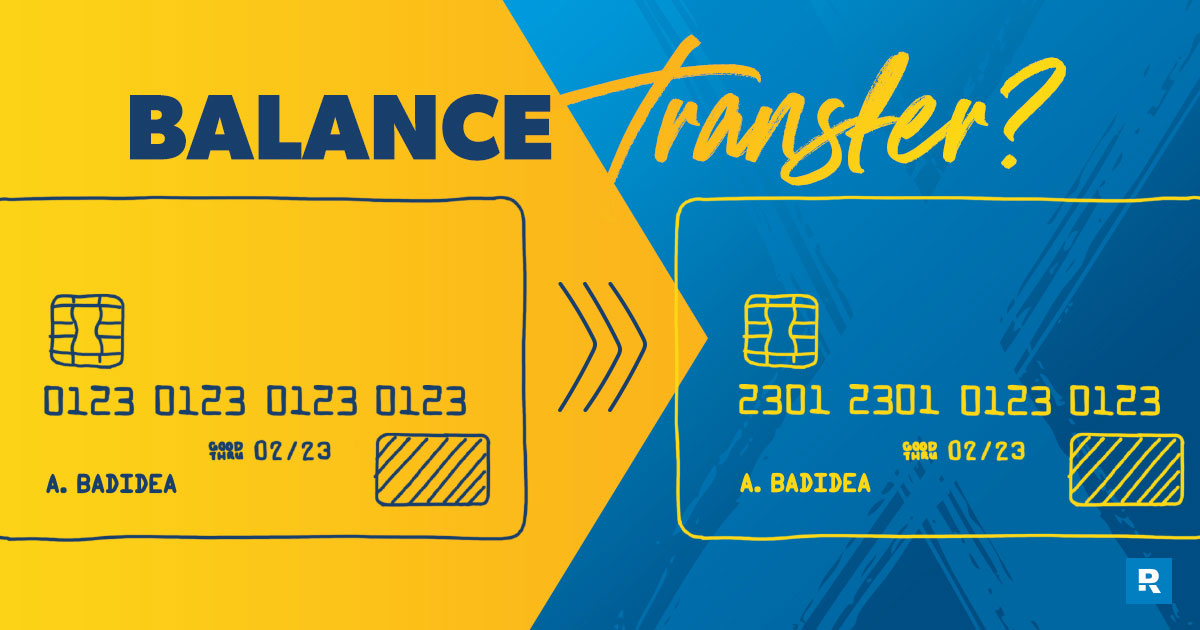
Key Takeaways
- A balance transfer moves debt from one credit card to another, usually to take advantage of a lower introductory interest rate.
- Most balance transfers charge a 3–5% fee up front, which can eat into the money you hoped to save on interest.
- Some balance transfer cards offer 0% interest for a limited time, but the card’s regular interest rate kicks in once that promotional period ends.
- The debt snowball helps you pay off debt for good by tackling your balances from smallest to largest and by building momentum with every win.
- EveryDollar helps you make a plan for your money and find extra cash in your budget to throw at your debt.
Trying to pay off thousands of dollars on a credit card that never seems to shrink—no matter how much you throw at it—is exhausting. So when another credit card comes along promising 0% interest, it can sound like the break you’ve been waiting for.
But don’t fall for this shiny offer.
Quick Answer
A credit card balance transfer moves your debt from one card to another, usually for a fee of 3–5%. Sure, the lower interest rate might sound nice for a while. But you still owe the money—you’ve just moved the debt to a different card. The real fix is to get on a plan to pay it off for good.With the average credit card balance now at $7,279 and interest rates hovering around 22.15% for those carrying a balance month to month, it’s no wonder people are desperate for some breathing room.1,2 And credit card companies know it. That’s why they’re more than happy to dangle balance transfer offers in front of you.
So, let’s look at how balance transfers actually work—and why moving debt around isn’t the same thing as getting rid of it.
What Is a Credit Card Balance Transfer?
A balance transfer (also called a credit card balance transfer) is when you take the debt balance from a credit card and transfer it to another credit card—usually one with a lower interest rate.
On the surface, balance transfers seem like a good idea. People who are struggling with credit card debt often use this method to consolidate their debt or save money on credit card interest by moving their debt to a new card. But to be clear, that’s the only thing balance transfers do—move your debt around.
While you can technically transfer your balance to any credit card, there are specific credit cards marketed to get people to transfer their credit card debt to a new card. These are called balance transfer credit cards.
What Is a Balance Transfer Credit Card?
A balance transfer credit card is a credit card that allows you to move debt from other credit cards or accounts to that card. Most balance transfer cards offer a 0% APR (aka interest rate) to make the move “worth it.”
That 0% rate is the bait. Credit card companies know that a break from sky-high interest sounds pretty sweet when you’re already drowning in payments. So they use that introductory offer to get you to open another card and move your debt over.
But guess what? That 0% APR is temporary. Once that introductory period is over (typically after 12 months or so), most of these cards end up charging you a variable interest rate ranging from 11% to 25%. Ouch! If you thought your previous interest rate hurt, wait until you have one that can shoot up without warning.
Oh, and don’t forget: That intro period doesn’t mean you get a break on making your minimum payment every single month. If you miss even one payment during that time, that 0% interest rate is gone for good.
Not only that, but the credit card company will also slam you with a 3–5% balance transfer fee on each transfer you make. Hold on, wasn’t the whole point of doing a balance transfer to keep your debt from growing? Yeah, but the credit card company has to make money off you somehow—and they have no problem “feeing” you to death if they can.
How Do Balance Transfers Work?
To do a balance transfer, you first have to apply for a new balance transfer credit card. And yep, that means opening another credit card to deal with the credit card debt you already have.
You apply just like you would for any other credit card. But you usually can’t transfer balances between cards from the same issuer (for example, you can’t transfer from one American Express card to another American Express card). Also, you won’t be able to transfer your entire balance if it’s bigger than the new card’s credit limit.
If approved, you would then request the balance transfer either online or over the phone, and the new credit card company would get all the info for the card you’re transferring from. (Sometimes you can do balance transfers through a check, but that can also come with some hidden fees if you don’t look over the fine print.)
Then you have to wait for the balance transfer to go through, which can take anywhere from a couple weeks to a whole month. And in the meantime, you still have to make sure you’re paying your minimum payment on your old credit card until the entire balance is officially transferred. Otherwise, it’s “so long, grace period” and “hello, interest.”
What Kinds of Debt Can Be Transferred?
Most of the time, you can only transfer credit card debt to a new credit card (and that includes debt from store credit cards). But some lenders will let you transfer other debt—like car loans, student loans or personal loans—onto a balance transfer credit card.
Hear us loud and clear when we say this is a bad idea! Odds are, you won’t be able to transfer that much debt onto one card anyway (because you’ll probably exceed the credit limit). But even if you can, piling all your miscellaneous debt onto credit cards is just asking for trouble.
How Do You Qualify for a Balance Transfer Credit Card?
You’ll generally need good to excellent credit to qualify for a balance transfer credit card—and FICO considers a score of 670 the starting point for “good” credit.
Why? Well, if a credit card company is already taking a risk on you with that 0% APR, they want you to be good for the money. (All they see are dollar signs, remember?) And if you’ve got a history of not making payments, that’s not going to look too great.
But don’t waste another minute worrying about whether or not you qualify for a balance transfer credit card. You’ve got debt to kick to the curb, and another credit card won’t help you do that.
Do Balance Transfers Hurt Your Credit?
It depends. Any time you sign up for a credit card, the card company will do what’s called a hard inquiry on your credit to see if they really want to loan you money. This will put a small ding in your credit score at first, but it usually bounces back after a short period of time. So, if you actually did sign up for a balance transfer credit card, your score would drop a few points.
But listen: You don’t have to keep playing the exhausting game of trying to build up your credit score. A FICO score is just an “I love debt” score. All it does is keep you borrowing money so companies can find you “worthy” enough to borrow even more money. That, my friend, is how you stay in debt. So, forget chasing after some meaningless number. You don’t need a credit score to live life on your terms.
Should I Do a Balance Transfer?
Absolutely not.
Look, we know just how overwhelming credit card debt can be. The sleepless nights. The constant sense of dread and anxiety hanging over you. And if you’re living paycheck to paycheck, it may seem impossible to ever get on top of it.
But transferring a balance from one credit card to another won’t get rid of your debt. At best, it’s like placing a band-aid over a hole on a sinking ship. And at worst, it keeps you in debt even longer. Balance transfers give you a false sense of security because you’ll feel like you’ve taken care of the problem—when in reality, you’ve only drawn out the amount of time you’ll be making payments.
Plus, that introductory offer of 0% APR is only there for a short time. When it’s over, you’ll be dealing with a variable interest rate—and that could make your problem way worse fast.
Kyle from THE Ramsey Baby Steps Community Facebook group shared another way to look at it: Instead of chasing a lower interest rate, use the rate you already have as motivation to get the debt out of your life faster.
“Use the motivation to pay it off way sooner,” he said. “And don’t transfer the debt. Transferring debt to a lower interest rate gives us the false feeling that we’ve solved an issue, when we haven’t.”
That’s the kind of urgency you want. Don’t make the debt more comfortable—get mad at it and get it gone.
Balance Transfer vs. Debt Snowball
A balance transfer moves your debt around in hopes of saving on interest, while the debt snowball gives you a plan to actually pay it off—and build momentum along the way.
The debt snowball is the method you use to pay off debt in Baby Step 2 of the 7 Baby Steps. List your debts from smallest balance to largest, regardless of interest rate. Make minimum payments on everything except the smallest debt, and throw every extra dollar you can find at that one. Once it’s gone, roll that payment into the next-smallest debt. Then keep going until every debt is paid off.
And there’s a reason you start with the smallest balance instead of the highest interest rate: Quick wins give you momentum. Every balance you knock out frees up more money to attack the next one—and gives you motivation to keep going.
That’s a whole lot different from a balance transfer. Here’s how the two compare:
|
Balance Transfer |
Debt Snowball |
|
|
How it works |
Moves debt to another credit card |
Pays off debts from smallest to largest |
|
Up-front cost |
Typically a 3–5% transfer fee |
$0 |
|
Interest |
May offer 0% for a limited time before the regular rate kicks in |
You keep paying the rates on your existing debts while knocking them out |
|
Progress |
Your debt has a new address, but you still have to pay it off |
One balance disappears every time you pay off a debt |
|
Momentum |
None—the balance just moves to a new card |
Builds with every debt you knock out |
|
End result |
Lower the interest rate temporarily |
Become completely debt-free |
Here's a Tip
A balance transfer is a shell game. You’re moving debt around and paying a credit card company for the privilege. With the debt snowball, every dollar you throw at your debt moves you closer to being done with it for good.
How Do Companies Make Money From Credit Card Balance Transfers?
Credit card companies can make money on balance transfers through transfer fees, penalty fees and interest once the promotional period ends. Because let’s be clear: Credit card companies aren’t offering you 0% interest out of the goodness of their hearts. They’re banking on making money somewhere along the way.
Have you ever wondered why you get credit card rewards for using their money instead of your own? It’s so they can keep you spending more. Plus, if you’re the forgetful type (and let’s be honest, most of us are), they’ll make even more money off your missed payments in interest and late fees.
So, if credit card companies are charging you 0% interest for a balance transfer (at least at first), how are they making any money? (Because you know they wouldn’t be shoving these cards in your face if it didn’t put money in their very large pockets.)
1. Balance Transfer Fees
Despite how they’re marketed, balance transfers aren’t really free. Credit card companies charge you a fee of anywhere between 3–5% of the amount you want to transfer. And while some lenders will wave this fee for the first transfer, they’re banking on you not being able to pay off your balance so they can collect that money back in interest.
2. Penalty Fees
Just because your credit card won’t charge you interest, it doesn’t mean you get out of paying your minimum monthly payment. If you miss a payment during the card’s promotional period, you could lose your introductory 0% rate and get slapped with a penalty fee plus a new penalty APR.
And penalty APR is often double the normal interest rate (or up to almost 30%), and it stays with you for at least six months. The only silver lining in all this is that the credit card company has to notify you 45 days in advance before they penalize you.4
3. Post-Promotional Interest Rates
All good things must come to an end eventually (if you can call zero interest on debt good). So, once your card’s promotional period ends, you could be looking at a brand-new variable interest rate—in the ballpark of 11–25%. Why variable? Because the credit card company can make more money that way, of course.
Alternatives to Credit Card Balance Transfers
Instead of moving debt around, focus on getting it out of your life for good. That means breaking the cycle of borrowing, getting on a budget, getting serious about paying off debt, and using the debt snowball to make progress one balance at a time. Here’s where to start:
Stop using credit cards.
Here’s the deal: You can’t get rid of your debt until you stop the cycle of borrowing. If you don’t use your credit card, you can’t add to your credit card balance. Makes sense, right? But to do that, you’ve got to cancel your credit cards and start living within your means. In other words, if you can’t afford it, you can’t have it. Harsh, we know. But that’s the only way you’re going to nip this credit card issue in the bud.
So, trade in your credit cards for a debit card and pay cash. And yes, you can do everything you need to do without a credit card holding you back!
Get on a budget.
If you’ve been relying on credit cards to get by, you need a way to keep track of your spending in real time. And the best way to do that is with a budget. When you tell your money where to go before the month begins, you’ll be able to pay the bills and know exactly how much you can throw at your credit card debt.
Get serious about paying off your debt.
You can’t be passive about your debt and expect it to just go away. And that’s exactly what balance transfers are—passive. Trust us, money management is more about your mindset than math. Decide right here and now that you’re tired of debt stealing from you and that you’re willing to do whatever it takes to get it out of your life!
Use the debt snowball method.
The debt snowball method is the best way to pay off your debt. It’s worked for millions of families all across America, and if you stick to it, it can work for you too.
As we covered earlier, you’ll attack your debts from smallest balance to largest, throwing every extra dollar you can find at the smallest one while making minimum payments on the rest. Look for extra money in your budget, pick up extra work, sell some stuff—whatever you can do to speed things up. Then, every time you knock out a debt, roll that payment into the next one.
Keep going, and you’ll be amazed how quickly you can get out of debt with that giant snowball!
Get Rid of Credit Card Debt for Good
When it comes to getting out of credit card debt (or any debt), there’s only one real way to do it: Pay. It. Off. No balance transfer or clever credit card trick can do that work for you. And you don’t have to outsmart the credit card companies to make progress. You need a plan for your money and a way to stick to it.
That starts with giving every dollar a job before the month begins. EveryDollar is the free budgeting app built by Ramsey to help you find margin and hidden money in your spending. That means more money to throw at your credit card debt and more progress toward kicking those payments out of your life for good.
Start your free EveryDollar budget today and put your money to work getting yourself out of debt.
Next Steps
- Stop using your credit cards. Switch to a debit card or cash so you can stop adding to your debt.
- Make a budget with EveryDollar. Give every dollar a job and find extra money to throw at your debt.
- Start your debt snowball. List your debts from smallest balance to largest, and use our Credit Card Payoff Calculator to see how quickly you can knock them out.
-
Does a balance transfer hurt your credit score?
-
It can. Applying for a balance transfer card usually triggers a hard inquiry, which can cause your credit score to drop a few points. But don’t get too hung up on protecting an “I love debt” score—focus your energy on paying off debt and building your net worth instead.
-
How much does a balance transfer fee cost?
-
Most balance transfer fees are 3–5% of the amount you transfer. So, if you transfer a $5,000 balance, you could pay $150–250 just to move your debt to another card.
-
Can you transfer a balance twice?
-
You may be able to transfer the same debt more than once if you qualify for another balance transfer card. But moving debt from card to card is a shell game—you’re still stuck with the same debt until you buckle down and pay it off.
-
How long does a balance transfer take?
-
A balance transfer can take anywhere from a couple weeks to a whole month, depending on the credit card company. Keep making at least the minimum payment on your old card until the transfer is complete so you don’t get hit with late fees or other consequences.
-
What happens to your credit card debt if you die?
-
Credit card debt doesn’t automatically disappear when you die—it’s typically paid from your estate. Depending on the situation, a joint account holder or cosigner may also be responsible for the debt.
Get Weekly Insights Delivered Straight to Your Inbox
Did you find this article helpful? Share it!

About the author
Ramsey Solutions

Get proven Ramsey answers fast.