
Statement Balance vs. Current Balance: Know the Difference
 By
By 
Key Takeaways
- The statement balance is the amount you owe on your credit card at the end of a billing cycle.
- The current balance is what you owe on your credit card at any given time.
- You should pay off the statement balance on a credit card to keep from carrying a balance and being charged interest.
- If you can’t pay the full statement balance, you must at least pay the minimum payment to avoid late fees and a hit to your credit.
- Don’t get stuck managing these balances long-term. Pay the card off and close the account.
I don’t have to worry about credit card debt. I pay off my balance every month.
Sounds responsible enough. But when your credit card shows more than one balance, figuring out exactly what to pay can quickly get confusing.
Quick Answer
Your statement balance is the total you owed at the end of your last billing cycle. Your current balance is what you owe right now, including anything you’ve charged since then. At minimum, pay your full statement balance by the due date to avoid interest. Better yet, pay your current balance down to $0 and stop using the card.Knowing which balance is which can help you avoid paying unnecessary interest and, more importantly, keep you from falling into credit card debt.
What Is a Statement Balance?
The statement balance is the amount you owe on your credit card at the end of a billing cycle. It includes purchases you made during the most recent billing cycle, as well as interest charges, fees and any unpaid balances you’ve carried over from previous months.
Credit card billing cycles usually last 28–31 days. So if a billing cycle ends on January 28, your statement balance is calculated when that billing cycle closes.
You’ll find your statement balance listed on your monthly credit card statement (which you can get through your email, physical mail or online credit card account). Your statement will also show the due date for your payment. Paying your full statement balance by that date generally helps you avoid being charged interest on your purchases.
Here's a Tip
Use our Credit Card Payoff Calculator to see how long it will take you to pay off your credit cards in full—and how to do it faster.
What Is a Current Balance?
The current balance is what you owe on your credit card right now. It includes purchases, interest, fees and other charges that have posted to your account.
Unlike your statement balance, which shows what you owed when your last billing cycle ended, your current balance keeps changing as new transactions and payments post to your account. Pending transactions generally aren’t included until they post.
Also, your current balance isn’t the same thing as your available credit. Your current balance is what you owe, while your available credit is how much of your credit limit you have left to spend. (And by spend, we mean borrow from the credit card company.)
Why Is My Statement Balance Different Than My Current Balance?
Your statement balance and current balance can be different because they show what you owe at two different points in time. Your statement balance is set at the end of a billing cycle, while your current balance keeps changing as new transactions post to your account.
Your current balance will be higher if you made purchases after your statement balance was already calculated. On the other hand, the statement balance may be higher if you received a refund after the billing cycle ended.
And because of how credit cards work, by the time your statement balance is due, you’ve probably already racked up another month’s worth of purchases toward your current balance.
For example, let’s say you get your October credit card statement. The statement balance for the period of 10/1–10/30 is $3,450. But it’s November 5 and you’ve already used your credit card to pay your bills for the new month. So even though your statement balance is $3,450, the current balance on your card is actually $5,725.
Still confused? That’s exactly what credit card companies want. Because the more you scratch your head about what to pay and when, the more likely you are to carry a balance and pay them interest and fees.
Here’s how the two balances stack up side by side:
|
Comparison |
Statement Balance |
Current Balance |
|
What it shows |
What you owed when your last billing cycle ended |
What you owe right now |
|
When it changes |
Once each billing cycle |
As transactions and payments post |
|
New purchases |
Doesn’t include purchases made after the billing cycle ended |
Includes purchases that have posted since the billing cycle ended |
|
Pending transactions |
Doesn’t include pending transactions |
Generally doesn’t include pending transactions |
|
If you pay it in full |
Generally helps you avoid interest on purchases from that billing cycle |
Brings what you currently owe down to $0 |
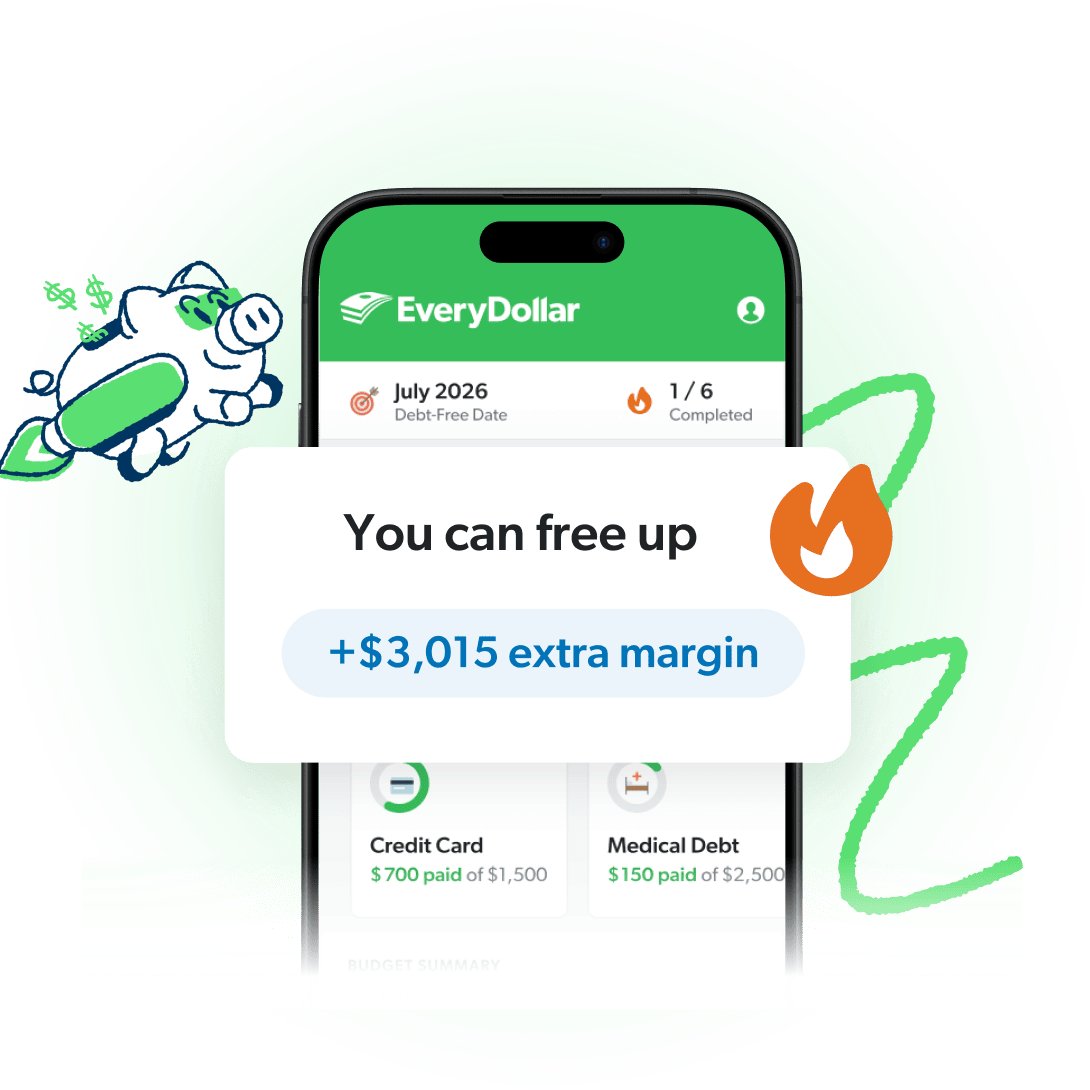
Ditch Debt Faster With EveryDollar
A lifetime of minimum payments? No thanks. The EveryDollar budgeting app helps you find extra margin every month so you can be debt-free faster!
Should I Pay the Statement Balance or Current Balance?
At minimum, pay your full statement balance by the due date to avoid paying interest on your purchases from the previous billing cycle. Your current balance includes that amount plus any newer purchases that have posted since the billing cycle ended.
You don’t have to pay those newer purchases yet to avoid interest on them. But if you’re ready to get out of the credit card game altogether, pay your current balance down to $0 and stop using the card.
If I Pay My Statement Balance, Will I Be Charged Interest?
Generally, no. If you pay your full statement balance by the due date, you can avoid being charged interest on purchases from that billing cycle.
But just because you think you’ll be able to pay your statement balance on time doesn’t guarantee it’ll happen. Emergencies and other unexpected expenses can immediately derail your plan and send you right into interest-paying territory. That’s why using credit cards is super risky.
What If I Can’t Pay the Statement Balance?
If you can’t pay your statement balance in full, at least make the minimum payment by the due date. You’ll still owe interest on what’s left, but making the minimum payment on time can help you avoid late fees and a late payment being reported to the credit bureaus.
Federal law generally requires credit card companies to deliver your statement at least 21 days before your payment is due. And many credit cards offer a grace period on purchases between the end of your billing cycle and your payment due date.
But don’t mistake that extra time for permission to carry a balance. If you don’t pay the full statement balance by the due date, you can lose your grace period and start getting charged interest on your unpaid balance—and potentially on new purchases too.
Here's a Tip
Credit card companies frame the grace period like a courtesy—but really, it’s a countdown clock. Miss the due date, and interest kicks in on everything you owe. Treat your due date like a deadline, and you’ll never get caught off guard.
Keep in mind, though: Credit cards have extremely high APRs (that’s annual percentage rates). The average interest rate for credit card accounts that carried a balance was 22.15% as of May 2026.1
So if you don’t pay your statement balance in full and on time, you’re looking at a hefty percentage tacked on to your outstanding balance. Plus, compound interest has the power to quickly hurl you deeper into credit card debt!
How Does My Credit Card Balance Affect My Credit Score?
In general, a higher credit card balance can hurt your score, while paying down that balance may help it. That’s because part of your credit score is based on your credit utilization ratio—which is just a fancy way of comparing how much you owe on your credit cards with how much you’re allowed to borrow.
A lower credit utilization ratio is considered better than a high one in the eyes of credit bureaus. So even if you pay your statement balance in full, having high balances across one or multiple credit cards could still ding your credit.
Your payment history matters too. Making at least the minimum payment on time each month can help you avoid a late payment hurting your credit. Miss a payment, though, and your score could take a hit.
Oof, that’s a lot of rules to navigate just to make the credit overlords happy so they’ll reward you with the “privilege” of borrowing more money from them. It’s a risky (and exhausting) game to get sucked into. But the good news is, you don't have to play.
Here's a Tip
Your credit score tells lenders how you’ve handled debt—it doesn’t tell you whether you’re actually winning with money. So don’t make a higher score the goal. The real win is a $0 balance, a closed account, and building wealth without borrowing money.
Ditch the Credit Card Balance Confusion for Good
The total credit card debt in America is a whopping $1.26 trillion—and 82% of Americans had a credit card last year.2,3 That’s a whole lot of people caught up in the cycle of swiping, paying and trying to keep up with their balances.
But instead of stressing about whether to pay your statement balance or current balance every month, we’ve got a better solution. It’s time to ditch the credit cards and get on a budget.
When you’ve got a game plan for your money, you don’t have to rely on credit cards to cover your expenses. You can actually get ahead, rather than just getting by. Imagine that!
The best way to budget is with EveryDollar. You can easily set up your budget and track your transactions. Plus, it shows you how to find extra margin every month to put toward your goals—including paying off your credit card debt.
And because you’re telling your money where to go before the month starts, you know exactly how much you can spend. No tricky billing cycles or different balances to worry about!
Stop playing the credit card game. Start for free with EveryDollar and find the money you need to pay off your debt for good.
Next Steps
- Get on a budget. Download EveryDollar and track every dollar you spend. You can’t fix what you can’t see.
- Stop using credit cards. Cut them up, and once they’re paid off, close the accounts for good.
- Pay off your debt with the debt snowball. If you’re on Baby Step 2, list your debts smallest to largest, attack the smallest one first, and make minimum payments on the rest.
-
Is it better to pay the statement balance or the current balance?
-
At minimum, pay your full statement balance by the due date so you can avoid interest on purchases if your grace period applies. But your best move is to pay your current balance down to $0 and stop using the card. There’s no version of “better” here that involves carrying a balance.
-
What happens if I only pay the minimum payment?
-
You stay in debt a lot longer, and you pay for the privilege. Credit cards carry high interest rates, so making only the minimum payment can mean paying a whole lot more in interest over time. The goal should be to get rid of the balance for good!
-
Does paying my current balance early help my credit score?
-
It can. Paying down your balance before it’s reported to the credit bureaus may lower your credit utilization ratio, which could help your score. But chasing a credit score is a game with no finish line. Focus on paying off the card and building real wealth instead.
-
Can I close a credit card with a balance on it?
-
You may be able to close a credit card while you still owe a balance, but closing the account doesn’t make the debt disappear. You’ll still have to make payments and could still be charged interest until the balance reaches $0. Our recommendation? Stop using the card, pay it off with the debt snowball, and then close it for good.
-
Which balance shows up on my credit report?
-
Your statement balance is usually the balance that shows up on your credit report because credit card companies commonly report your account information around the end of your billing cycle. But reporting dates can vary by credit card company, so the balance on your credit report may not always match your statement balance exactly.
Get Weekly Insights Delivered Straight to Your Inbox
Did you find this article helpful? Share it!

About the author
Ramsey Solutions

Get proven Ramsey answers fast.