
Needs Vs. Wants: Understanding the Difference
 By
Key Takeaways
- Needs are necessary expenses you have to cover.
- Wants improve life but aren’t essential.
- If you have to cut spending, start with the wants.
- When you budget, cover the needs before the wants. Always.
Deep down, we probably know the difference between a need and a want. But in a world of next-day shipping and easy upgrades, it’s easy for that line to get blurred. And who has time for blurry lines? No one.
Quick Answer
Needs are necessary expenses you have to cover, starting with your Four Walls: food, utilities, shelter and transportation. Wants make life better but aren’t essential, like dining out or streaming shows. In your budget, cover your needs first. Whatever’s left over can go toward wants.Of course, knowing the difference isn’t always that simple when you’re staring at your actual budget. So let’s break down what counts as a need, what counts as a want, and how to make room for both.
What Are Needs in a Budget?
In a budget, needs are the necessary expenses you have to cover to keep your life running. The most basic of these are what we call the Four Walls: food, utilities, shelter and transportation.
If you’re ever in an emergency situation (like a job loss) and need to get on a bare-bones budget, cover those Four Walls first until you get back on your feet. (Even your debt payments wait until the Four Walls are covered.)
If you’re in a stable spot with your money, other essentials include insurance, debt payments and, for some people, childcare.
Some of these costs are fixed and some are variable, but either way, they’re still needs—not wants.
What Are Wants in a Budget?
Wants are expenses that make life more enjoyable but aren’t essential. Think streaming services, concert or sports tickets, subscription boxes, upgrades, designer brands, travel and restaurants.

You read all those right. They’re wonderful, but not vital! These are the kinds of expenses that belong in the fun money part of your budget. If you can afford to fit them in, that’s fine. But don’t sacrifice your needs or money goals to pay for them. They can wait.
Needs vs. Wants at a Glance
Here’s a side-by-side look at some common needs and wants in a budget:
|
Category |
Need Example |
Want Example |
|
Food |
Groceries |
Dining out |
|
Utilities |
Electric and water bills |
Premium cable |
|
Shelter |
Rent or mortgage |
Home decor upgrades |
|
Transportation |
Basic car maintenance |
That “new car smell” (aka a car you don’t need yet) |
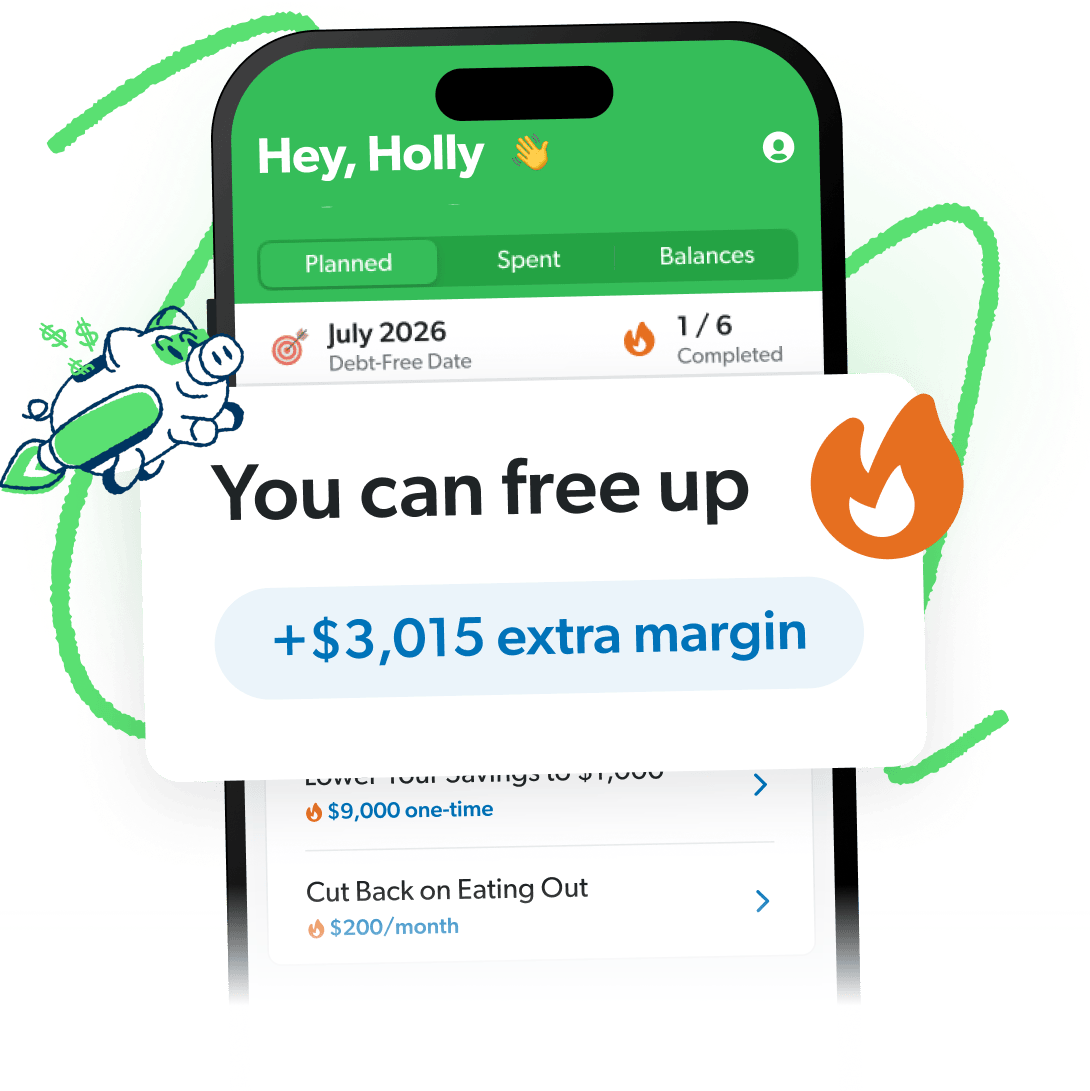
The Budgeting App That Finds Hidden Margin
You’ve got more margin than you think. EveryDollar helps you find it in minutes so you can start making real money progress, really fast.
What Are Some Wants That Feel Like Needs?
Restaurants, travel, upgraded phone plans and even clothing can feel like needs—but when there’s a cheaper way to cover the actual need, those extras belong in the wants column.
Restaurants
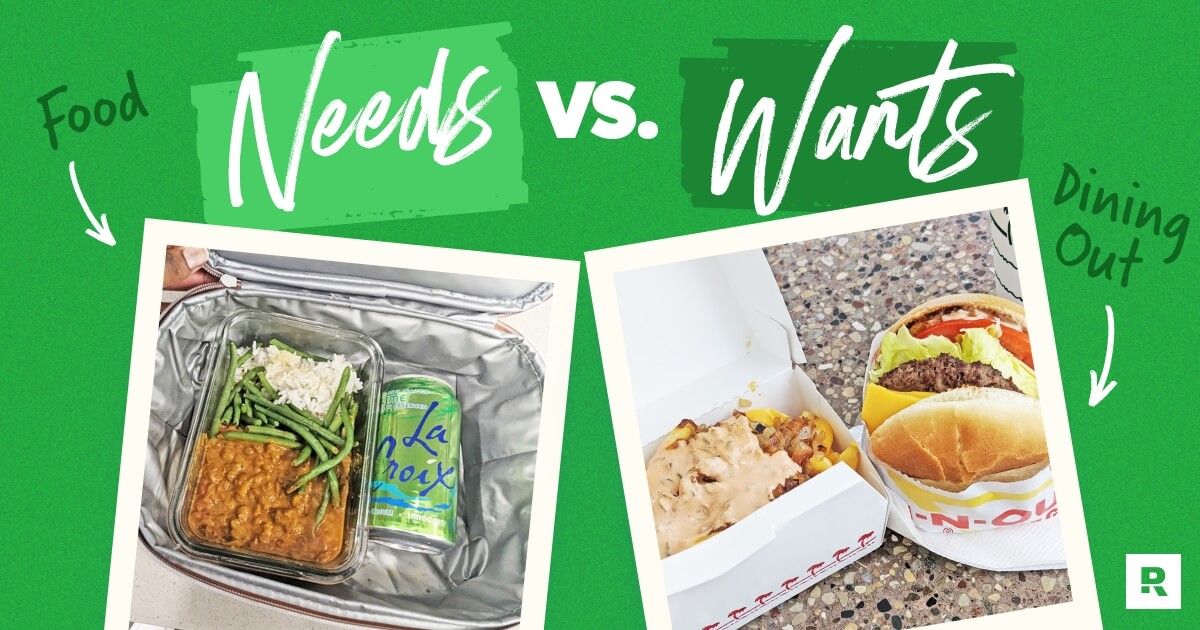
Yes, food is one of the Four Walls, but that means groceries. You need to eat, but you don’t need takeout every Tuesday or dinner at your favorite Mexican restaurant every Friday. Eating is a need, but eating out is a want.
Travel
Transportation is totally in the Four Walls—but that means getting yourself to and from work, the kids to and from school, and wherever else you need to go in everyday life. A fun vacation, on the other hand, is a want.
Upgraded Phone Plans
A basic phone plan may be necessary for things like work or staying connected in an emergency. But all the extra features and upgrades? Those are wants.
Those little extras can add up fast. Our friend Dale from THE Ramsey Baby Steps Community Facebook group took a closer look at his family’s phone plan and subscriptions and found $243 a month they could put back into their budget.
“Last week I dug into our subscription services: Netflix, Hulu, Disney, Paramount, Peacock, T-Mobile, our local trampoline park, even our garbage service. I was shocked to see how much money we were paying for subscriptions that we don’t use that frequently. On T-Mobile, we were paying for service for two kids’ watches and insurance on those watches that we haven’t used in 16 months. And paying for insurance on my 8-year-old cell phone. Canceled!”
Clothing
If you have kids, you know they grow quickly, so you probably need to buy new seasonal clothing most years. And if you start a new job and don’t have the wardrobe required, you’ll need a few things too. But buying designer brands or clothing just for fun is a want.
And here’s the deal: We aren’t saying you can’t have wants in your monthly budget. You can! Just keep your priorities straight by covering your needs and working toward your money goals before adding wants to your budget.
So how do you cover both wants and needs? Great question. Let’s answer it!
The 3-Question Test for Borderline Expenses
If you’re not sure whether an expense is a need or a want, ask yourself these three questions:
- Is this one of the Four Walls? If it’s food, utilities, shelter or transportation, it’s a need.
- What happens if I don’t pay this today? If nothing bad happens, it can probably wait. That’s a want.
- Is there a cheaper version that meets the same need? If yes, you’re looking at a want dressed up as a need.
Run any fuzzy expense through these questions, and it’ll be a whole lot easier to tell where it belongs in your budget.
How Do I Budget for Wants and Needs?
Cover your needs before your wants—every time. Start by listing your income, then add your expenses beginning with your needs.
From there, subtract your expenses from your income until you reach zero. Then give yourself a pat on the back or toss some confetti in the air—because you just created a zero-based budget! That means you’ve given every dollar a job: giving, saving, spending . . . covering those needs and wants.
If you don’t have enough money to cover everything, cut some spending (starting with wants!) or increase your income (hello, side hustle).
Here's a Tip
It usually takes about three months to get the hang of budgeting, so don’t quit after month one. The more you budget, the easier it gets to tell the difference between what you need, what you want, and what you can actually afford.
Ready to start telling your money where to go (instead of always wondering where it went)? Make it easier on yourself and download our EveryDollar budgeting app.
EveryDollar does more than just help you track your spending and manage your money—it actually helps you find more margin every month! Just download the app, answer a few questions, and we’ll build you a plan to free up thousands in margin to put toward your goals.
Next Steps
- Cover your Four Walls first. Make sure food, utilities, shelter and transportation have a place in your budget before adding wants.
- Find a want you can cut back on. Put that extra money toward your current money goal instead.
- Make your budget with EveryDollar. Give every dollar a job so you know your needs are covered and how much room you actually have for wants.
Get Weekly Insights Delivered Straight to Your Inbox
Did you find this article helpful? Share it!

About the author
Ramsey Solutions

Get proven Ramsey answers fast.