
What Are the 4 Walls of a Budget?
 By Rachel Cruze
Key Takeaways
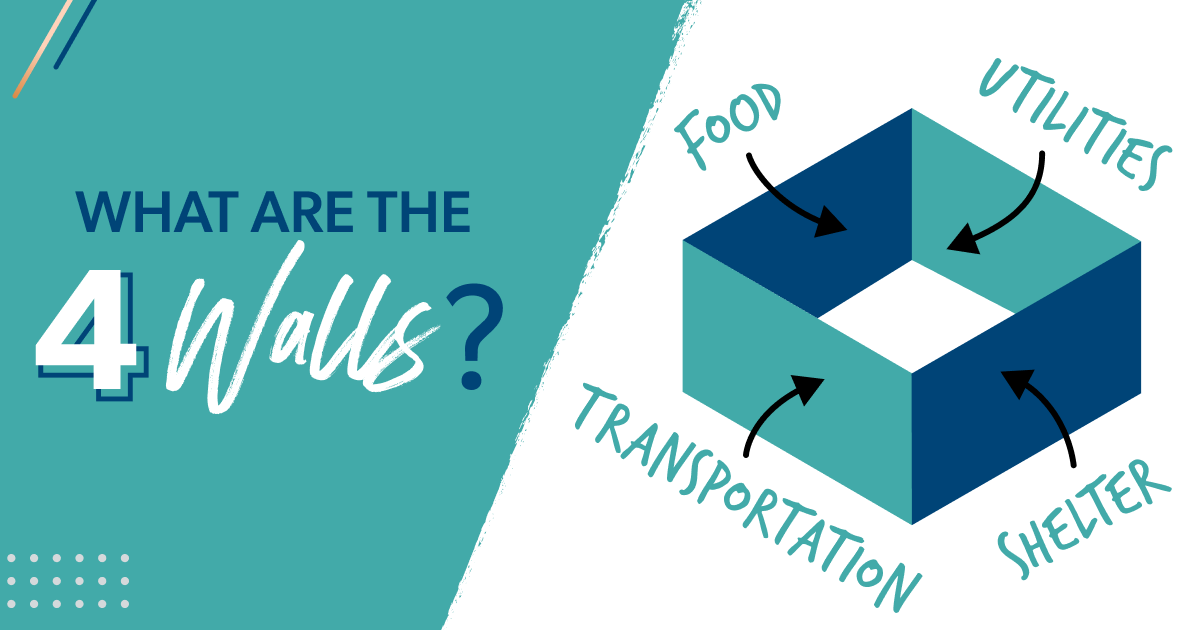
- The Four Walls of a budget—food, utilities, shelter and transportation—are the basic expenses that come first in your budget and keep your family going, especially in a financial emergency.
- Groceries are a need, but eating out is a luxury that comes after the essentials are covered.
- Utilities are the bills that keep your home running, like electricity and water, and it’s wise to budget a little extra since those costs can change from month to month.
- Shelter includes your rent or mortgage, insurance, property taxes and HOA fees, and it shouldn’t take up more than 25% of your take-home pay.
- Transportation includes gas, car insurance, public transportation, routine maintenance, and other costs required to get you where you need to go.
For over a decade, I’ve been teaching people all about budgeting—so you know I’ve been asked certain questions again and again. Most of those are about how to get started or what to do if you’re suddenly in crisis mode.
Quick Answer
The Four Walls of a budget are food, utilities, shelter and transportation. These are the basic necessities that keep your household running, so you cover them first each month—especially in a financial crisis—before debt payments or anything discretionary.Now let’s break down what belongs in each wall and how to put them to work in your budget.
What Are the Four Walls of a Budget?
Simply put, the Four Walls are the most basic expenses you need to cover to keep your family going: food, utilities, shelter and transportation.
Food
Food is one of the Four Walls because your family has to eat—but we’re talking groceries here, not restaurants. This is coming from someone who loves going out to eat and even grabbing some Chick-fil-A for the family on the way home. But that delicious chicken is a luxury.
And so is going out to my favorite Mexican restaurant on date night with Winston. So yes, groceries are a need. Fajitas and queso on date night? That’s a want.
Make sure there’s room in the budget for groceries (and other needs) before you make room for the luxuries!
Utilities
Utilities are the basic services you need at home, like electricity, water and gas. Here are some of the most common ones:
- Electricity
- Water
- Natural gas or propane
- Trash services
- Basic phone bill
One thing to note with utility bills is they can change from month to month. As you write in a planned amount, budget on the higher side. If the bill’s lower, you can throw the extra money at your current Baby Step (which is the proven plan for saving money, getting out of debt, and building wealth).
Shelter
Shelter means your rent or mortgage payment, plus housing costs like insurance, property taxes and HOA fees. A good rule of thumb here is to keep that total at no more than 25% of your take-home pay.
That helps you keep from turning one of your biggest blessings—your home—into a financial burden.
Here's a Tip
Add up your rent or mortgage payment, insurance, property taxes and HOA fees. If that total is more than 25% of your take-home pay, your shelter costs are above our recommended guideline. And remember, utilities don’t count toward that number. They’re their own “wall.”
Transportation
Transportation covers what it costs to get where you need to go that month, including gas, car insurance, public transportation and routine maintenance.
Inside the Four Walls, this wouldn’t include plane tickets to Disney. If you’re debt-free and want that dream vacation, save up money in a sinking fund each month and pay cash for that trip. But just like restaurants, Disney is not a necessity!
What Do the Four Walls Look Like on a $5,000 Monthly Income?
With $5,000 of monthly take-home pay, the Four Walls could look something like this: $700 for groceries, $350 for utilities, $1,250 for shelter, and $500 for transportation. That would put the Four Walls at $2,800, or 56% of take-home pay.
Here’s how that breaks down:
|
Wall |
What It Covers |
Sample Amount |
Percent of Take-Home Pay |
|
Food |
Groceries |
$700 |
14% |
|
Utilities |
Electricity, water, natural gas or propane, trash, basic phone |
$350 |
7% |
|
Shelter |
Rent or mortgage, insurance, property taxes, HOA fees |
$1,250 |
25% |
|
Transportation |
Gas, car insurance, public transportation, routine maintenance |
$500 |
10% |
|
Four Walls total |
$2,800 |
56% |
|
|
Everything else |
Giving, saving, other necessities, debt and fun |
$2,200 |
44% |
Your numbers will look different depending on where you live and how many mouths you’re feeding. Your shelter costs are usually fixed from month to month, while things like groceries and utilities can bounce around. So give yourself a realistic number to work with, and don’t panic if you need to adjust as the month goes. That’s what budgets are for!
This is why I’m such a fan of keeping your housing costs to 25% of your take-home pay. In this example, that leaves $2,200 for giving, saving, other necessities, debt and fun. Bump housing up to 40%, and you’d have just $1,450 left after covering the rest of the Four Walls. That’s a whole lot less breathing room in your budget.
Put More Breathing Room in Your Budget
Money feeling tight? Not anymore. The EveryDollar budgeting app helps you free up thousands of dollars you didn’t know you had—in minutes.
When Do I Use the Four Walls?
Use the Four Walls every single month—whether money feels comfortable or things are a little tight. Food, utilities, shelter and transportation are the basics, so they get a front-row seat in your monthly budget.
And I know: Unless you’re out there teaching budgeting like I do, you probably won’t be thinking about the Four Walls all the time. But here are the two main times when you should:
1. When You’re in a Financial Emergency
If you’re ever in an emergency situation—like losing your job—the Four Walls become your top priority. That means getting on a bare-bones budget and focusing on feeding your family, keeping the lights on, paying the rent or mortgage, and putting gas in the car.
And remember: You will be okay. Focusing on the Four Walls will help you stay afloat financially while you get back on your feet.
2. When You Make a Budget
The Four Walls also help you prioritize your expenses when you set up your monthly budget. Start by listing your income, then make room for giving and saving depending on what Baby Step you’re on. After that, cover your expenses—starting with (you probably guessed it) the Four Walls! From there, you can work your way through everything else.
In a normal month, the Four Walls aren’t your whole budget. They’re just the first expenses you cover before moving on to other necessities, debt payments and the fun stuff (like personal spending, entertainment and restaurants).
When you think of the Four Walls as the starting point for your expenses, it helps you sort out your needs versus your wants and keep your budget priorities in order.
What Comes After the Four Walls?
After the Four Walls, cover other necessities like insurance and childcare, then debt payments, then fun money. Here’s how that stacks up:
|
Priority |
What It Covers |
Examples |
|
1. The Four Walls |
The basics your family needs |
Groceries, electricity, rent or mortgage, gas |
|
2. Other necessities |
Things you truly need that aren’t one of the Four Walls |
Health insurance, life insurance, childcare |
|
3. Debt |
Payments on what you owe |
Credit cards, car loans, student loans |
|
4. Fun money |
Everything you want but don’t need |
Restaurants, streaming services, vacations |
Insurance and childcare go in that second group, right after the Four Walls. (Homeowners, renters, and auto insurance are the exception because they’re part of your shelter and transportation costs.)
Debt payments come next. (And yes, that includes credit cards!) If making a credit card payment means you can’t buy groceries or keep the lights on, take care of your family first. Fun money comes last, and it’s the first thing to cut when the budget gets tight.
Sometimes, keeping your priorities straight really is that simple. Greg, a member of THE Ramsey Baby Steps Community on Facebook, put it this way:
“Buy only what you really must have to survive. The stuff you want can wait. Too many people charge things to just have fun and end up in horrible debt.”
If you want some help putting those priorities into practice, EveryDollar makes it easy to build your budget and give every dollar a job—starting with the Four Walls. You can plan for the essentials first, then work your way down to everything else your money needs to do that month. And when life happens and your priorities shift, you can adjust your budget and keep moving forward.
Next Steps
- Write down your monthly take-home pay and what you expect to spend on food, utilities, shelter and transportation.
- Cover the Four Walls first, then work through the rest of your expenses based on what matters most.
- Build your monthly budget in EveryDollar so you can give every dollar a job and make sure your biggest priorities are covered.
-
What if I can’t cover all Four Walls?
-
If your income doesn’t cover all Four Walls, you’re in a financial emergency. Work through the Four Walls in order: food first, then utilities, shelter and transportation. If the money runs out before you get through all four, take care of what you can in that order.
Then start looking for ways to close the gap. Pick up a side hustle, sell some stuff, and cut anything from your budget that isn’t necessary right now. If you know you can’t pay a bill, contact the company or provider before the due date, explain your situation, and see what options are available.
-
Does the 25% shelter rule include utilities?
-
No. Utilities aren’t included in the 25% shelter guideline. That number includes your rent or mortgage payment, property taxes, HOA fees and homeowners or renters insurance. Budget for monthly utilities like electricity and water separately as their own wall.
-
Should I pay my credit card bill before my Four Walls?
-
No. If making a credit card payment means you can’t buy groceries, keep the lights on, pay for shelter, or get where you need to go, cover your Four Walls first. Once those basic needs are taken care of, you can focus on your debt payments.
Get Weekly Insights Delivered Straight to Your Inbox
Did you find this article helpful? Share it!

About the author
Rachel Cruze

Get proven Ramsey answers fast.