
Cash vs. Credit Card: Which Should I Use?
 By
By 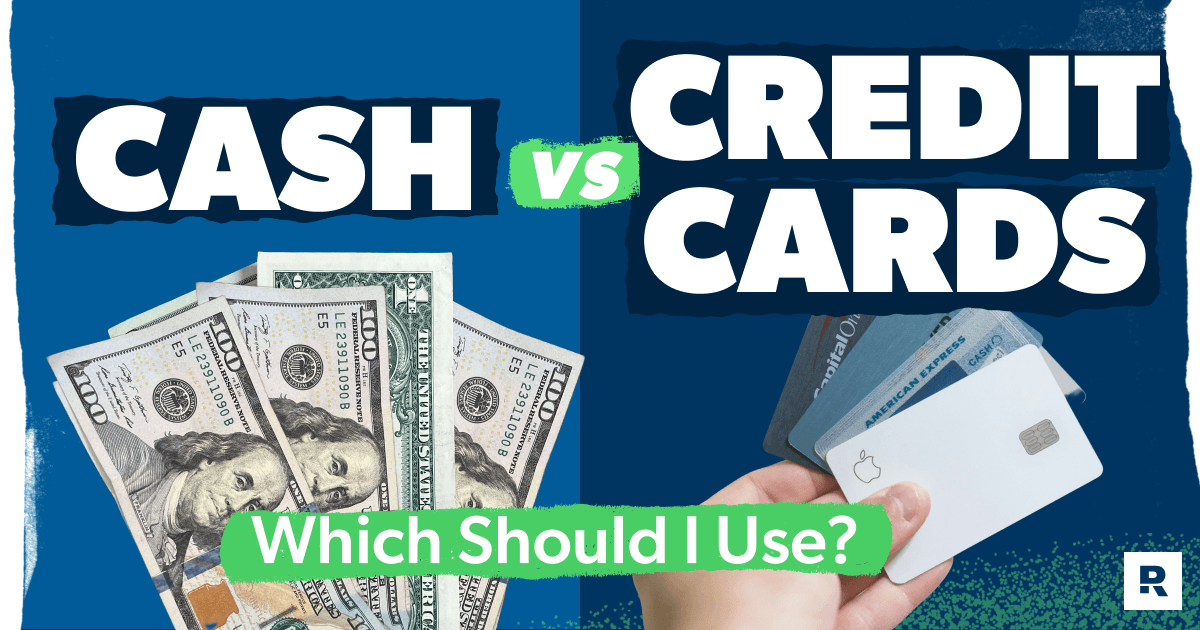
Key Takeaways
- Cash is the better choice, hands down, because it helps you stay out of debt, skip the interest and spend less.
- Cash is more about a mindset than a payment method, so debit works too because you’re spending money you already have instead of borrowing.
- Debit cards can be used for everyday purchases, travel and online shopping without the debt risk that comes with credit cards.
- The average credit card interest rate is 22.15% for people who carry a balance, making borrowing an expensive way to pay.1
- You don’t need credit to build wealth. You just need a plan for the money you already have.
Tap. Beep. Approved. That’s the third coffee this week you've put on credit instead of paying for it outright. Because let's face it: It's easier to enjoy your coffee now and deal with the bill later.
Credit cards may seem more convenient, but what you probably don’t realize is how quickly those $5 swipes add up . . . or just how much your preferred payment method is actually costing you.
Quick Answer
Cash is the better choice—hands down. Paying with cash (or debit) means you can’t spend money you don’t have. That keeps you out of debt, kills interest charges before they start, and makes it a whole lot harder to talk yourself into an impulse buy.So why do so many people still reach for plastic? Let’s settle the cash vs. credit debate for good.
Cash vs. Credit Cards: Which Should You Use?
If cash and credit cards went head-to-head in a boxing match, cash would definitely come out on top. Cash is king—even if it seems like we’re heading for a cashless society.
Now, when we say “pay in cash,” what we want you to hear is “pay in full”—which is the opposite of borrowing money. Paying in cash is more about the way you manage your money than it is about what you actually hand the cashier at the register. But there are definitely times when using physical cash (you know, those pieces of paper with famous people on them) works in your favor.
But before we get into all the reasons why cash reigns supreme, let’s take a look at why people tend to rely on credit cards more than cash.
Why Do People Use Credit Cards?
People reach for credit cards for all kinds of reasons: rewards, travel, building credit, emergencies and even a sense of safety. Over 3 in 4 adults (82%) carry at least one credit card.2 But like your mom said, just because everyone’s doing it doesn’t mean you should too.
So let’s look at some of the most common reasons people give for hanging on to their credit cards.
1. Rewards
Despite the promise of fancy rewards, credit cards end up costing you more in the long run. How? Well, you’re tempted to spend more to earn more points, which increases your balance. The higher your balance, the less likely you are to pay it all off each month.
And between all the fees and insane interest rates, any money you would’ve “earned” in points is basically canceled out. Plus, it’s easier than you think to get caught up in a cycle of credit card debt all to chase air miles you’ll probably never use.
Also, you usually have to spend thousands on a credit card to get $100 cash back. And you don’t actually get to put a fresh bill in your wallet—it’s just more credit added to your account to keep you spending. See how sneaky this whole process is? The idea of cash back and credit card points may sound great, but it's just a tricky way of getting you to spend more than you would have otherwise.
2. Travel
Your debit card will do just fine on your beach vacation or your business trip to Dayton. In fact, a debit card can do everything your credit card can do—except put you in debt.
Now, some hotels or rental car companies may put a temporary hold on your card in case of damages. (Don’t worry—you can still use your card. You’ll just see a pending charge on your account until you check out or return the car.) And as long as you’ve budgeted enough for your trip and have some extra cushion in your bank account, it shouldn’t be a problem. Just call ahead and ask how much the hold will be so you can plan for it.
3. Building Credit
Here’s a truth the credit industry won’t love: You don’t need a credit score to build wealth or live a full life. Still, building credit is one of the top reasons people open a credit card account. But have you ever stopped to think why you need to build your credit in the first place?
You borrow money to build up your credit score . . . to be able to borrow more money . . . to build up your credit score . . . to be able to borrow more money. It’s a never-ending cycle that gets you absolutely nowhere (kind of like that last season of Lost).
A FICO score is only useful if you play one game: the credit game. But guess what? If you never borrow money, you don’t need to worry about having the perfect credit score. Yeah, we know that goes against everything your high school economics teacher said. But the truth is, you don’t need a credit card (or any form of credit) to survive.
4. Emergencies
When life happens, having cash set aside lets you handle an emergency without turning it into debt. Because we get it. The AC breaks on the hottest day of the summer. The transmit-fuel-carburetor-thingy (you know the one) goes out on your car. And it always seems to happen when you’ve got zilch in the bank.
Without an emergency fund, it’s tempting to reach for the credit card—which only turns your emergency into a payment-induced nightmare. But with an emergency fund, you could just pay for the problem right then and there and not have to worry about paying it off later.
And it’s not scientifically proven, but we’ve found Mr. Mayhem tends to stay away when he knows you’ve got an emergency fund in place. Plus, it does wonders for your peace of mind.
5. Safety
This one comes as a shock to a lot of people, but a credit card doesn’t actually protect you any better than a debit card does.
It’s never fun when someone swipes your card number and goes on a shopping spree with your money (uh, rude!). But that fear is exactly why so many people hang on to a credit card. They assume credit gives them more protection from these modern-day pickpockets.
While you might be able to cancel fraudulent charges and get a new card, there’s a whole other threat you have to worry about—identity theft. And Dwight Schrute was right when he said identity theft is not a joke.
If someone manages to get your credit card account info (usually from online purchases), they can open up new credit accounts in your name, take out loans, and steal other personal data. And by the time you get your credit card statement the next month and notice all the fraudulent charges, the damage is already done.
Each time you swipe your credit card or type your card numbers in online, you increase the chance of having your personal info compromised. Raise your hand if you want to have your identity stolen. No one? That’s what we thought. Using cash can help you keep your personal information . . . well, personal.
What Are the Benefits of Using Cash?
One of the biggest benefits of using cash is that it helps you spend less. When you’re spending money you actually have, it’s easier to see what’s leaving your wallet and think twice before buying something you didn’t plan for. But more on that later.
Here's a Tip
We don’t feel money the same way when we don’t see real money. That’s the whole game with credit cards. Swiping doesn’t feel like spending, but handing over actual bills? You feel those dollars leaving your wallet.
1. You don't have to worry about fees.
There are plenty of ridiculous fees out there—but you can avoid all of them simply by using cash instead.
Think of those times you run into the dollar store to buy a few items . . . only to find out there’s a minimum charge to use a credit card. So what do you do? You add a few packs of gum or a candy bar and end up spending more than you planned.
Or picture this: You spot the perfect tomato at your local farmers market. Farmer Joe takes credit cards, but because he’s a small business, he gets charged for each swipe. That means he’ll probably tack on a couple dollars to help cover the convenience fee (which isn’t very convenient for you, is it?).
Those little costs can add up. But when you pay with cash, you pay for what you came to buy and move on with your day.
2. You avoid paying interest.
When you pay with cash, you don’t have to worry about interest eating into your budget. You’re spending money you already have, so there’s nothing to pay back later.
Spoiler alert: That’s not how credit cards work. When you use a credit card, you’re borrowing money and racking up a tab you’ll have to pay back later. If you don’t pay it back in full and on time, you get charged interest (plus late fees).
And in case you haven’t heard, the average credit card interest rate has climbed to 22.15% for those who carry a balance from month to month.3 That’s a pretty steep price to pay for spending someone else’s money.
Already carrying a balance? Run the numbers through our Credit Card Payoff Calculator so you know exactly what it’s costing you.
3. You spend less.
Paying with cash makes you think twice before you spend, which can help you spend less and stick to your budget.
And the difference can be pretty eye-opening. One study found people spent 144% more on average when paying with credit cards instead of cash.4 That’s a whole lot of extra spending just for the convenience of a swipe.
Think about it. When you use a credit card, you have no real idea of how much you’re spending in the moment because you get the bill later. But there’s something about watching those $20 bills leave your wallet or envelope system that makes you actually think about what you’re spending—instead of just mindlessly swiping your credit card.
4. You own, not owe.
Paying with cash keeps you from spending money you don’t have—which means you don’t owe anyone. And unlike credit, when you buy those new shoes with cash, you don’t have to worry about making payments on them or the interest coming back to bite you. You own those shoes. End of story.
With cash, if you can’t afford it, you can’t buy it. So if you blow your grocery budget at the beginning of the month, you’re going to feel it at the end of the month. And when you realize you don’t have an endless supply of money at your fingertips, you’re more likely to change your spending habits. Trust us, seven days of tuna fish sandwiches may be the best overdraft protection there is.
5. You always have cash on hand.
Having some cash on hand means you can still pay when cards aren’t an option. And trust us, those moments have a way of showing up when you least expect them.
The parking attendant at the county fair only takes cash. Your favorite food truck doesn’t accept credit cards. You wait in line for that limited-edition concert poster only to realize it’s “cash only.” You just found the cutest dress at a local boutique, but their card machine is down. You want to keep a gift secret from your spouse. You feel like you should give some money to the man on the street corner.
Or what if you’re in a real pinch? Like if you break down in the middle of nowhere and Bubba’s Tow Service only takes cash. You’ll really wish you had cash on hand then.
Look, it may not happen all the time, but do you really want to take that risk? Cash is still useful, and it can really come in handy—especially in an emergency.
What About Online Purchases?
You don’t need a credit card to shop online. A debit card works just fine for online purchases and comes with fraud protections too. Just make sure you report any unauthorized transactions quickly. And unlike a credit card, a debit card won’t put you in debt.
But even if you use a debit card, don’t be fooled by those buy now, pay later scams when you’re scrolling through online stores. Installments may not be credit cards, but they can put you in debt just as fast—maybe even faster.
How Do Cash and Credit Cards Compare Side by Side?
When you compare cash and credit cards side by side, cash comes out on top every time because it takes interest and debt out of the equation.
|
Category |
Cash/Debit |
Credit Card |
|
Fees |
None |
May include annual fees, late fees, cash advance fees and more |
|
Interest |
None—you’re spending your own money |
Averages 22.15% if you carry a balance5 |
|
Spending |
The “pain of paying” makes you think twice before you spend |
Frictionless swiping makes overspending easy |
|
Debt risk |
None—you can’t borrow money with cash or debit |
High—you’re borrowing money every time you swipe |
|
Availability |
Cash still works when cards aren’t accepted or card machines are down |
You’ll need another way to pay if cards aren’t an option |
Can You Live Without a Credit Card?
Absolutely. You can live—and thrive—without a credit card.
And plenty of people are already doing it. As Ashley from THE Ramsey Baby Steps Community Facebook group put it, “I have not put anything on a credit card for over a year, almost two years now. I have cash flowed everything I’ve bought.”
So go ahead and say goodbye to those credit cards. Because the truth is, life is a whole lot better when you’re not relying on borrowed money.
Look, we know you can’t pay for everything with actual cash. But using cash when you can—and more importantly, not borrowing money—makes all the difference in helping you spend less, stay out of debt, and stick to your money goals.
And if you really want to keep more cash in your pocket each month, you need a way to stay on top of your spending—and the best way to do that is with a budget. Yep, no matter your preferred payment method, budgeting is the best thing you can do for your finances.
A monthly budget shows you exactly where your money is going in real time and keeps you from breaking the bank (unlike when you use credit cards). Ready to take control of your spending? Start your free budget with EveryDollar—the budgeting app built by Ramsey to help you make a plan for every dollar.
Next Steps
- Cut up your credit cards so you’re not tempted to reach for them when you want something you haven’t budgeted for.
- Build your budget with EveryDollar so you have a plan for every dollar before the month begins.
- Start Baby Step 1 by saving $1,000 for your starter emergency fund so the next surprise expense doesn’t send you reaching for plastic.
-
Is it better to use a debit card or a credit card?
-
A debit card is always the better choice because you’re spending money you already have. You get the convenience of a card for everyday purchases, travel and online shopping without the interest or risk of credit card debt.
-
Do I need a credit card to rent a car or book a hotel?
-
No, you can use a debit card for many hotels and rental car companies. Some may place a temporary hold on your account or have specific debit card policies, so call ahead and ask what to expect before you go.
-
Does using cash really help you spend less?
-
Yes. Paying with cash makes you feel the money leaving your wallet, which can make you think twice before you spend. And that little bit of friction can help you avoid impulse buys and stick to your budget.
-
Are credit card rewards worth the interest?
-
No. Credit card rewards aren’t worth the risk of spending more, paying interest or going into debt just to earn points or cash back.
Get Weekly Insights Delivered Straight to Your Inbox
Did you find this article helpful? Share it!

About the author
Ramsey Solutions

Get proven Ramsey answers fast.