
Companies With Great Culture: What They Do Differently

Key Takeaways
- Great cultures attract great talent. Top performers want to work where leadership and standards are strong.
- Culture rises or falls with leadership. Your team will follow the example you set.
- Clarity fuels momentum. Teams perform best when they understand the mission and what winning looks like.
- Ownership and appreciation build loyalty. When people feel responsible for the work and valued for their effort, they stay and perform.
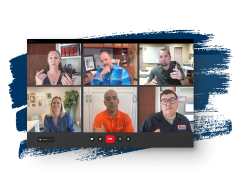
Tired of figuring business out by yourself?
Get the support, connection, and accountability you need through Advisory Group coaching. Accelerate your leadership growth and achieve your goals.
You know a company is magnetic when people talk about job openings like they’re backstage passes. You hear things like, “Wait, they’re hiring?” or “Send me that link,” or maybe, “Do you know someone on the inside?” There’s a quiet kind of prestige around it.
That kind of pull is the result of intentional culture building. And companies with great culture don’t have to chase top talent. Top performers are naturally drawn to them.
This isn’t just true of billion-dollar tech companies like Google or Microsoft with trendy campuses or flashy perks. Some of the strongest cultures exist in blue-collar businesses, service companies, and industries that will never be called glamorous.
Your company’s magnetism—what draws people to want to work for you—has less to do with your brand size and more to do with your leadership standards. It’s built one decision, one expectation and one aligned hire at a time.
So let’s look at what companies with great culture actually do differently and how you can build that kind of business right where you are.
What Sets Apart the Best Companies to Work For?
The best companies to work for focus relentlessly on what matters most. For example, they take care of their people, raise up leaders from within, and live their values out loud.

You can see these patterns across very different organizations:
- Costco pays above industry averages and treats team members with exceptional loyalty.
- In-N-Out builds leaders from the ground up and promotes from within.
- Keller Williams invests heavily in training so agents thrive long term, not just close a few deals.
- Johns Hopkins Medicine consistently earns top workplace marks because mission-driven excellence shapes how they lead and serve.
- Ramsey Solutions, known for attracting thoroughbreds, backs up strong hires with top-notch onboarding, leadership training and team appreciation.
These companies represent different industries, business models and job types, but they’ve created something powerful: a culture their team members believe in and want to protect.
That’s what the best culture looks like: loyalty, clarity, trust, healthy growth and high standards lived out daily.
So what does that look like from the inside?
What Companies With Great Culture Look Like
If you slowed down and watched a healthy company operate for a week, here’s what you’d notice:
Leaders You Want to Work For
At the center of every strong culture is leadership worth following. We call this servant leadership, but we’re not talking about soft or passive leadership.
Servant leaders show how deeply they care for their teams and their businesses by their willingness to make hard, sometimes unpopular, decisions to elevate both. They confront misalignment, coach underperformance, and protect the long-term health of the organization . . . even when it costs them personally.
Instead of leading from ego, servant leaders are guided by humble ownership. They ask, “What does this team need to win?” instead of “How does this make me look?”
They earn respect and loyalty because they:
- Communicate proactively
- Cast vision consistently
- Set and protect clear expectations
- Own the tone and results of the organization
- Develop other leaders instead of hoarding authority
Here’s why this matters for your business:
You are the lid to your organization, and your culture won’t rise above your leadership.
Ask yourself:
- Would I apply to work for me?
- What are my strengths?
- Where do I need to grow in servant leadership?
High Trust and High Accountability
Walk into a healthy company, and you can feel high trust and accountability before you can even put words to it. Trust means people believe their leaders and teammates will act with integrity and follow through on what they say. Accountability means people take responsibility for outcomes, not just effort. Everyone knows what they’re responsible for and what winning looks like.
In meetings, people speak up to get clarity, share ideas, and jump in to help. When they disagree, they don’t stay silent out of fear or blurt something out and brace for impact. They trust their leader to listen thoughtfully, respond curiously, and value honesty. The discussion moves work forward instead of straining relationships.
And when a project misses the mark, no one scrambles to shift blame. The responsible person owns it and presents a plan to fix it. The focus is on solutions and learning.
At the same time, roles and expectations are crystal clear. That means deadlines matter, underperformance is addressed directly and respectfully, and coaching happens early, not after resentment builds. That balance of trust and accountability is servant leadership in action.
Here’s why this matters for your business:
Trust without accountability creates chaos. And accountability without trust creates fear. Companies with great culture commit to both. The result is that decisions move faster, energy isn’t wasted on corporate politics, and teams stay focused on results instead of navigating tension.
Ask yourself:
- Do my team members feel safe speaking up?
- Are expectations clear enough that no one has to guess what winning looks like?
- When something goes wrong, do we own it and solve it?
A Clear and Compelling Purpose
In strong company culture examples, team members know why the company exists, where it’s headed, and how their roles matter for the big picture.
They can explain the mission with passion, whether that’s:
- Costco’s commitment to providing members with quality goods and services at the lowest possible prices
- Johns Hopkins Medicine’s pursuit of excellence in patient-centered care to improve the health of the community and the world
- Ramsey Solutions’ drive to deliver biblically based, commonsense education and empowerment that give hope to everyone in every walk of life
Insert the name of any company people are drawn to, and their purpose will vary, but their clarity won’t.
Here’s why this matters for your business:
Without purpose, even talented teams drift, but with it, teams bring excellence to ordinary tasks and move forward with unity and momentum. When your team is compelled by your mission and vision, they connect their role to a bigger outcome. And that connection fuels engagement.
Ask yourself:
- Could my team clearly explain why we exist?
- Do they know where we’re headed in the next 12–24 months?
- Do we consistently connect daily tasks to long-term vision?
Ownership, Not Entitlement
We’ve all experienced businesses where the signs of low work ethic, aka clocking in for a paycheck, are obvious—long lines, blank stares and problems passed from person to person with no one stepping up to own the outcome.
Companies with magnetism are different. They’re marked by an ownership mindset from top to bottom. Team members care about results, protect the brand, and take initiative.
- When something needs attention, they step toward it.
- When standards slip, they address it.
- When a customer experience falls short, they make it right and learn from it.
Here’s why this matters for your business:
When you cultivate an ownership mindset, initiative increases, excuses decrease, and problems get solved faster. We call this a self-employed mentality. Team members think and act like owners, not renters of their role.
Ask yourself:
- Do my team members act like this is their business too?
- Am I reinforcing initiative or unintentionally rewarding passivity?
- Do I model the ownership I expect from others?
Camaraderie and Appreciation
People might remember a workplace that gave them front-row tickets to their favorite team or regular catered lunches. But that doesn’t mean the perks translated into loyalty and healthy culture.
At top companies to work for, leaders are intentional about making their team members feel seen, celebrated and recognized—and not just for off-the-charts wins, but for strong character and steady contribution.
These companies value simple rhythms like sharing meals, honoring work anniversaries, and recognizing progress in team meetings. After-work gatherings might happen too, but the focus is on building relationships, not just trying to check a morale box.
Here’s why this matters for your business:
When you prioritize camaraderie and appreciation, you start to see team members who laugh together, rally around one another, and know their efforts matter. That kind of environment doesn’t just feel good. It reduces turnover and strengthens retention because people feel valued.
Ask yourself:
- Do my team members feel recognized for more than just hitting numbers?
- Are we celebrating progress or only pointing out problems?
- Would my team describe our culture as energizing?
How Do You Become One of the Best Companies to Work For?
You might look with hope at what it takes to be among other great companies. Or you might look at your business and see gaps that feel overwhelming. Andy Baker faced the second scenario.
When he took the reins as CEO of Urban Forge, a high-end producer of iron home décor and furniture, Andy didn’t inherit a thriving environment. He stepped into negativity, low morale and high turnover. Turning it around felt daunting.
But instead of settling for average, Andy set a high standard for brand reputation and team member expectations—even when it felt awkward and he met resistance. One clarified expectation, hard conversation and leadership adjustment at a time, the culture shifted. Not only did Urban Forge’s revenue grow, but so did pride, accountability and ownership.
Today, Urban Forge is known for craftsmanship, culture and community impact. The company culture changed because of Andy’s intentional shifts.
If you want to build a company that attracts thoroughbreds and that team members are bought in to, start with these three commitments.
1. Grow as a leader.
Everything starts with you. Remember, your leadership habits shape your culture more than your perks, policies or slogans ever will.
- Commit to personal growth and invest in tools like books, coaching and leadership events that connect you with leaders who challenge you.
- Practice servant leadership by putting the team’s long-term health above short-term comfort.
- Address issues directly instead of hoping they resolve themselves.
Leadership sets the ceiling for how much the company can scale.
2. Build culture on purpose.
Wisdom tells us we move in the direction of our most consistent thoughts. The same is true in business. What you reinforce consistently becomes what your team believes matters.
- Clarify your mission and vision and repeat them often.
- Define and enforce your values so they guide real decisions.
- Create rhythms of alignment, like team meetings, defined roles, performance conversations and strategic planning.
Culture isn’t shaped by what you say once. It’s shaped by what you reinforce consistently.
3. Develop culture creators.
Think about it: If culture depends entirely on you walking into the room and setting things in order, it isn’t scalable.
- Empower leaders at every level to protect standards.
- Train team members to confront misalignment respectfully with other team members.
- Recognize and reward behaviors that reflect your values.
When culture holds steady even when you’re absent, you know it’s taking root.
Be the Company People Whisper About (for Good Reasons)
Remember that quiet prestige we talked about? The kind where people whisper about job openings like they’re backstage passes? That kind of reputation is the result of leaders who choose the hard, right actions over the easy, popular ones. Over time, those decisions set them apart in an industry full of average bosses.
They lead differently, hold the line, and value people well.
Over time, that steady difference becomes a reputation. Lead differently and watch what follows.
What’s Next: Don’t Go It Alone
Company culture isn’t luck. It’s leadership practiced daily, and you don’t have to create it alone.
For practical support, check out EntreLeadership® Advisory Groups. You’ll connect with other business owners who are building strong cultures in real time, sharing ideas, refining strategy, and holding each other accountable.
Get Weekly Insights Delivered Straight to Your Inbox
Did you find this article helpful? Share it!

About the author
EntreLeadership

Get proven Ramsey answers fast.