
Why Are Gas Prices So High?
 By
By 
Key Takeaways
- Gas prices go up when crude oil costs more or when supply is disrupted and less oil reaches the market.
- What you pay at the pump covers the cost of crude oil, refining, distribution, marketing and taxes.
- Several factors—like global conflict, inflation, crude oil prices, demand, taxes and refinery limits—work together to drive gas prices higher or lower.
- Even when prices fluctuate, simple money-saving habits like carpooling and budgeting can help you handle the impact.
“Ugh . . . why is gas so expensive?” you yell at the sky as you cough up $50 to fill up.
Here’s the short, nerdy answer: Most of the time, gas prices go up when the price of crude oil goes up. Lots of stuff affects the price of oil, but when we see big price swings, it’s usually because something disrupted the supply—things like wars, embargos or natural disasters.
Thankfully, we’re not back at the all-time high of $5.01 a gallon in 2022.1 But prices have still climbed fast, jumping about a $1 a gallon from February to March.2 So before you toss your car keys into the trash and start biking everywhere (unless you want to), we’ve got some tips to help you feel less pain at the pump.
But first, it helps to understand what you’re actually paying for every time you fill up—and what’s driving those prices higher.
What Makes Up the Price of Gas?
When you pay at the pump, you’re not just paying for the gasoline itself. Several key parts make up the price of each gallon:
|
Component |
What It Includes |
Why It Matters |
|
Crude oil |
Raw petroleum used to produce gasoline |
This is usually the largest part of the price. |
|
Refining |
The process of turning crude oil into gasoline |
Limited refinery capacity can raise prices. |
|
Distribution and marketing |
Transportation, storage and gas station costs |
This is the cost of getting fuel from refineries to your local pump. |
|
Taxes |
Federal and state fuel taxes |
Taxes add a fixed cost to every gallon. |
Now that you know what goes into the price of gas, let’s look at what’s actually driving those costs higher right now.
What’s Driving Gas Prices Right Now?
The answer to the age-old question “Why are gas prices so expensive?” isn’t simple. Several factors work together to push prices up (or down). Here’s a quick look at the biggest ones:
|
Factor |
How It Affects Prices |
|
International instability |
Global conflicts can disrupt the oil supply and push prices higher. |
|
Inflation |
This is when the overall cost of goods and services increases, including fuel. |
|
Crude oil prices |
The biggest driver—when oil costs more, gas prices usually follow. |
|
Travel demand |
More drivers on the road (especially in the summer) increases demand. |
|
Taxes |
Taxes add a fixed cost to every gallon you buy. |
|
Oil refineries |
Limited capacity can restrict how much gasoline is produced. |
International Instability
Events happening halfway around the world can still hit your wallet at the gas pump. Oil is a global market, so it doesn’t take much disruption to send prices climbing.
Take the ongoing war in Iran, for example. About one-fifth of the world’s oil passes through the Strait of Hormuz—a narrow shipping route near Iran.3 When conflict threatens that passage or slows down shipments, the global oil supply tightens. And when supply takes a hit, prices usually go up.
Remember economics class? When demand stays steady but supply drops, prices rise. That’s exactly what happens with gas.
And it doesn’t stop at the pump. Higher oil prices also drive up diesel costs, which means it’s more expensive to transport goods. So eventually, those higher fuel costs can show up in the price of just about everything you buy.
Inflation
Next, let’s talk about inflation. That’s the increase in the price of goods and services over time. It’s the reason your grandparents say things like “I remember when penny candy actually cost a penny” or “Back in the day, I could fill up my whole tank for five bucks.”
So inflation is nothing new. Prices on all goods steadily rise over time due to many factors, including the federal government feeding more money into the economy, a higher demand for goods and services, and an increase in production costs.
In an attempt to keep prices stable, the Federal Reserve aims to keep the inflation rate around 2% every year.4 The current inflation rate is sitting at 2.4% over the last 12 months (as of February 2026), which is just over the Fed’s target rate. Believe it or not, the rate of inflation on gas was trending down before the war in Iran, falling 5.6% over the past year.5
Still, it probably doesn’t feel that way when you’re standing at the pump watching the total climb. That’s because inflation is a big part of high gas prices, but not the whole picture.
Crude Oil Prices
Gas prices at the pump are also impacted by the global cost of crude oil. The Middle East is a major oil exporter, and the war has pushed prices up fast—from around $62 a barrel in January to $93 as of March 16, 2026.6
But war isn’t the only factor. The amount of crude oil available can increase and decrease over time for many reasons, including decisions made by foreign governments. That’s where OPEC comes in.
The Organization of the Petroleum Exporting Countries (OPEC) is a group of 23 nations that produce 35% of the global oil and account for 50% of the total international petroleum trade.7 They regularly meet and collectively decide how much oil to produce, which can move prices in a big way.
We’ve seen that kind of power before. OPEC-led oil embargoes in the 1970s caused major shortages and even gas rationing in the U.S.
Travel Demand
If you follow gas price trends, they historically go down in the fall (when we’ve all finished up our summer beach trips) and again in winter (after we’ve traveled for the holidays to Grandma’s and back).
Many states mandate “summer blends” of gas sold during those vacation months, which are supposed to be more efficient but much more expensive to produce. And the added cost is (of course) passed on to you at the pump. Then when Jack Frost comes around, the “winter-grade” fuel is cheaper, which saves you money. Another reason why Christmas is the most wonderful time of the year!
Taxes
It isn’t just the laws of supply and demand or international organizations that affect the price of gas. Our own federal and state governments get a piece of the action in the form of taxes on every gallon. Government officials say these taxes go toward road construction and maintenance, along with public transportation. But let’s be honest . . . how long has that pothole on your street been chewing up your tires?
When you go to the pump, you pay an average of 33.3 cents in taxes on every gallon of gas you buy. The actual cost varies from state to state, with California having the highest gas tax at 70.9 cents a gallon!8 So the high cost of gas can literally depend on where you live.
Oil Refineries
Refineries play a big role in gas prices too. It’s one thing to have enough crude oil, but if refineries aren’t able to turn that oil into gasoline, prices can still go up.
Building new refineries is expensive, heavily regulated and takes years to complete. That means existing refineries are often running near full capacity. So when there are outages, maintenance issues or unexpected disruptions, supply can quickly drop and push gas prices higher. For example, hurricanes in the Gulf of Mexico can temporarily shut down offshore oil platforms and refineries, which tightens supply and drives prices up.
Will Gas Prices Go Down Soon?
That’s the million-dollar question. The honest answer? It depends. Gas prices are tied to a lot of moving parts, and no one can predict exactly where they’ll go next.
That said, a few things that could help bring prices down:
- Increased oil production from major producers
- Releases from the U.S. Strategic Petroleum Reserve (the government’s emergency stockpile of oil)
- Reduced global tensions that ease supply concerns
But unfortunately, if conflicts continue, supply stays tight, or demand keeps climbing, prices could stay elevated for a while.
The bottom line is, gas prices will always have some ups and downs. That’s why the best move is making a plan for your money so you’re ready no matter what happens.
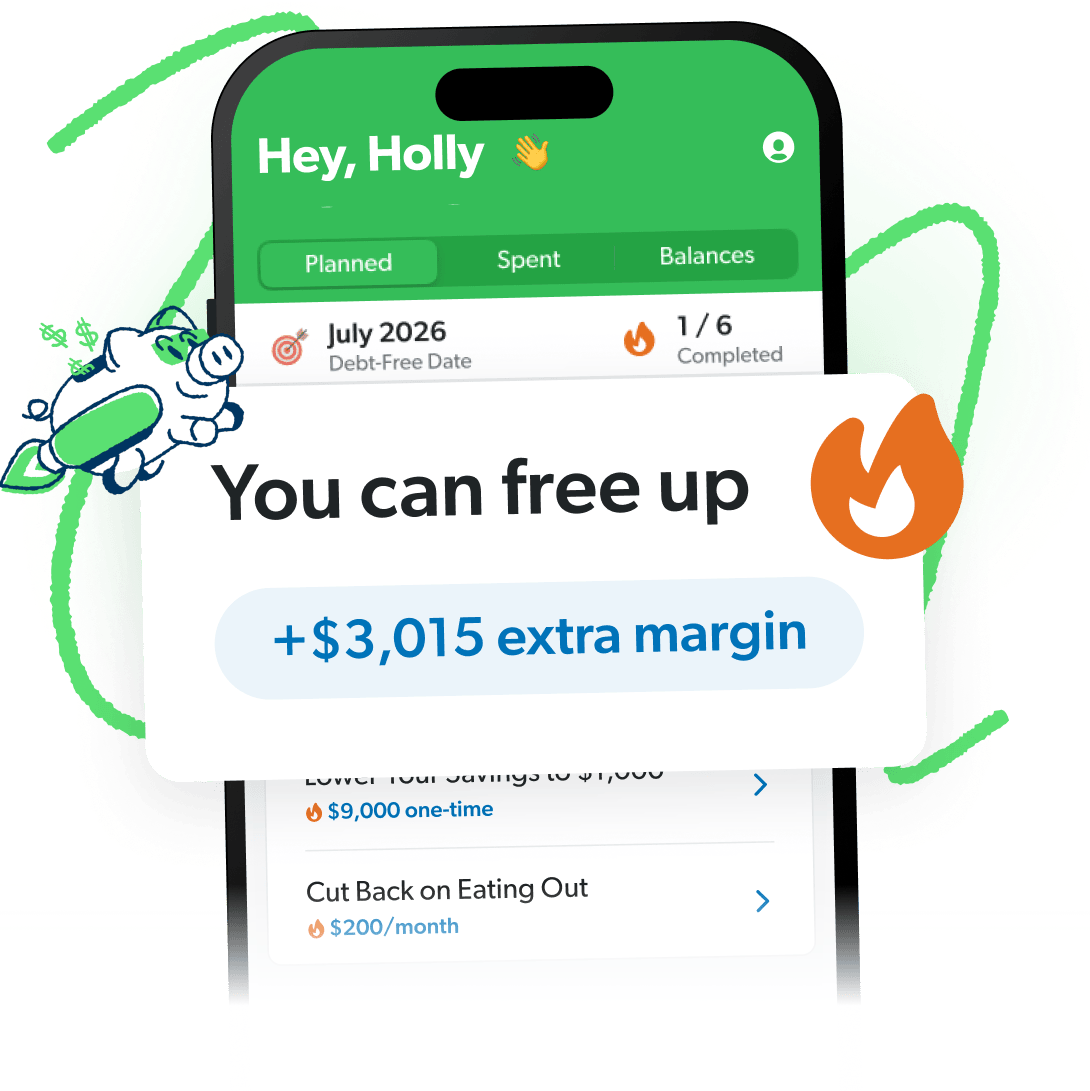
Put More Breathing Room in Your Budget
Money feeling tight? Not anymore. The EveryDollar budgeting app helps you free up thousands of dollars you didn’t know you had—in minutes.
How to Save Money on Gas
Do high gas prices stink? Yep, they sure do. But guess what? We’ve been in a worse spot with gas prices before—and there are things you can do to be better prepared and save money.
Start with these six tips to help:
1. Join gas rewards and cash-back programs.
You can sign up for gas rewards programs at places you already shop, like Kroger and Costco (just make sure they’re free rewards you’re signing up for and not credit cards). And don’t forget to check out cash-back apps like Upside to score some extra cash in your pocket every time you fill up at the pump.
2. Use apps to track the cheapest gas prices.
Speaking of apps, check out GasBuddy or Waze. They’ll help you find the cheapest gas prices in your area without wasting gas as you drive around to search for it. Some cash-back apps like Upside also contain maps highlighting cheap gas.
3. Make one trip.
Have a bunch of errands to run this week? Knock them all out in one trip instead of making eight different trips to the store during the week. It’ll save your sanity and your gas tank.
4. Carpool.
Okay, carpooling gets a bad rap sometimes, but hear us out here. Carpooling to the office, to school or to the kids’ soccer game is a great way to build some human connection while saving money on transportation too.
And having someone else drive you to work a day or two a week is a nice break. It’s kind of like having a chauffeur (without the black suit and hat—unless that’s their style).
5. Drive a fuel-efficient car (the right way).
If you’re already planning to replace your car, this is a great opportunity to think about gas mileage. Choosing a reliable, fuel-efficient vehicle can help you save money every time you fill up.
Just don’t rush into it. Buying a car only to save on gas can backfire if it means taking on debt or spending more than you can afford. Dropping $50,000 for an electric car just to save a couple hundred dollars a month on gas just isn’t good math.
But if you’re in a good financial position and able to pay cash (that part matters), keeping fuel efficiency in mind can be a smart move that pays off over time.
6. Adjust your budget.
When gas prices go up, it’s easy to underestimate the hit to your wallet. A $40 fill-up here and a $60 fill-up there doesn’t feel like a big deal—but even a $1–2 increase per gallon can add up to hundreds of extra dollars a month, especially if your household has multiple cars.
That means it’s time to adjust your budget. Cut back in a few other categories to beef up your gas budget line. Maybe that looks like packing your lunch for work or ditching all but one streaming service. But whatever you do, don’t cut your emergency fund or retirement contributions. Those are there to protect your future (not cover higher gas prices).
Get on Top of Your Budget
If you’re worried about gas prices right now, it’s probably because any increase brings back memories of when things became extremely high—and that naturally makes you wonder if it’ll happen again.
Here’s the truth: You can’t control rising gas prices, but you can totally control your overall spending. Make a plan (aka a budget) for your money and have confidence, no matter the ups and downs.
That’s why we made the EveryDollar budgeting app! EveryDollar helps you find extra margin every month so you can start making real money progress, really fast.
Just download the app, answer a few questions, and we’ll build you a personalized plan, based on your situation, to free up margin and make the most of every dollar, every day. (See where we got the name?)
Next Steps
- Look for simple ways to spend less on gas, like using rewards programs or finding the cheapest prices nearby.
- Drive with a plan by combining trips or carpooling so you’re not wasting gas and money.
- Build a zero-based budget and track every dollar with the EveryDollar app so higher gas prices don’t throw you off track.
Frequently Asked Questions
-
Why are gas prices rising?
-
Gas prices usually rise when crude oil becomes more expensive or when supply is disrupted. Things like global conflicts, higher demand (especially during travel seasons), and limited refinery capacity can all push prices higher.
-
What affects gas prices the most?
-
The biggest factor is the price of crude oil. Since oil makes up the largest portion of what you pay at the pump, any increase in oil prices usually leads to higher gas prices.
-
Why are gas prices higher in some states?
-
Gas prices vary by state mainly because of taxes, regulations and transportation costs. States like California have higher gas taxes and stricter fuel requirements, which can make prices significantly higher than in other parts of the country.
-
Will gas prices go down?
-
Gas prices can go down, but it depends on several factors—like oil production, global supply and demand, and geopolitical events. If supply increases or demand drops, prices may fall. But if disruptions continue, prices could stay high.
-
Do oil companies control gas prices?
-
Oil companies influence supply, but they don’t have complete control over gas prices. Prices are mostly driven by the global oil market, supply and demand, refining capacity and government taxes.
Get Weekly Insights Delivered Straight to Your Inbox
Did you find this article helpful? Share it!

About the author
Ramsey Solutions

Get proven Ramsey answers fast.