
How Much to Budget Per Month for Eating Out
8 MIN READ | APR 15, 2026
 By
By
Link copied!
Unable to copy link. Please try again.
Key Takeaways
- Americans spent an average of $3,945 on eating out in 2024, or about $329 per month.1
- Your eating-out budget should depend on your income, household size and financial goals.
- Average monthly spending for eating out ranges from $218 for single households to about $498 for families with kids.2
- Eating out is a luxury, not a necessity, and cutting back can help you reach your financial goals faster.
Food. It’s the third-highest expense for Americans and usually people’s biggest budget buster.3 Whether it’s your daily coffee run, lunch with coworkers, or a last-minute dinner via DoorDash, eating out isn’t cheap—especially as food prices continue to go up.
Here's A Tip
So how much should you budget for eating out? Most Americans spend around $329 per month, but your ideal amount depends on your income and financial goals.4
If you’re getting out of debt, the only time you should see the inside of a restaurant is if you’re working there. And if you’re trying to save, you should aim to spend less—or even cut it out entirely—since eating out is a luxury, not a necessity.
Let’s break it down so you can decide what makes sense for your budget.
How Much Do Americans Spend Eating Out?
Americans spent an average of $3,945 eating out in 2024—roughly $329 each month.5 And those fast-food meals and restaurant tabs continue to add up.
On average, people say they eat out between four and five times per month and order takeout or delivery three times a month.6 That may not sound like much, but even a couple of $15–25 meals each week can quickly push your monthly total into the hundreds.
It’s easy for those costs to fly under the radar. As Kevin from the Ramsey Baby Steps Community Facebook group put it: “Eating out is one of the biggest expenditures, but people are never true with themselves about how much they spend. Grocery shopping, meal planning and eating at home will fast track your savings.”
Just because the average person spends over $300 a month eating out doesn’t mean you have to do the same. Ultimately, your eating-out budget should make sense for you and your money goals.
How Much Should You Budget for Eating Out Each Month?
How much you should spend eating out—and on food in general—depends on several factors, including your family size, income and financial situation. That’s because it’s going to cost more to feed a family of four than it will to feed a family of two at a restaurant.
Here’s how much people spend eating out, on average, based on family size:
|
Household Type |
Monthly Spending |
Annual Spending |
|
Single person |
$218 |
$2,622 |
|
Married (no kids) |
$372 |
$4,469 |
|
Married (with kids) |
$498 |
$5,974 |
|
Single parent |
$294 |
$3,5297 |
Now, these numbers can help you estimate your own budget, but they don’t work for everyone. Instead of focusing on what other people are spending, the best thing you can do is focus on your own financial goals.
How to Decide Your Eating-Out Budget
The quickest way to make progress on any financial goal is to cut back on your eating-out budget—or even cut it out completely (yeah, we’re serious).
We’re not saying you have to swear off restaurants and takeout forever. But if you’re feeling stressed out by bills, debt payments and not having enough in your savings, you need to make some sacrifices, starting with your food budget.
Before you set a number, take a look at what you’re currently spending. Go through your bank or credit card statements from the last month and add up every restaurant, coffee shop and delivery charge. There’s a good chance it’s more than you think.
If you want to make this easier going forward, EveryDollar can help you keep an eye on your spending. Instead of guessing, you’ll be able to see exactly how much is going toward eating out as the month goes on—which makes it a lot easier to adjust before things get off track.
Once you have a clear picture, adjust your eating-out budget line accordingly (even if that means setting it to zero so you can throw all your extra money at your debt).
Ask yourself a few key questions:
- Are you trying to pay off debt?
- Do you need to build or rebuild your emergency fund?
- Are you investing consistently for retirement?
Your answers should shape your spending. For families, this may look like:
|
Financial Goal |
Suggested Monthly Eating-Out Budget |
|
Paying off debt |
$0–150 |
|
Building emergency fund |
$100–250 |
|
Stable finances |
$250–400 |
|
High income, no debt |
Flexible |
These recommendations are intentionally lower than the national average. Why? Because most people are overspending on eating out—and that extra money could be used to pay off debt, build savings or invest for the future.
Once you’re debt-free or you’ve hit your savings goal, you can add eating out back into your budget—because then you’ll have the money for it!
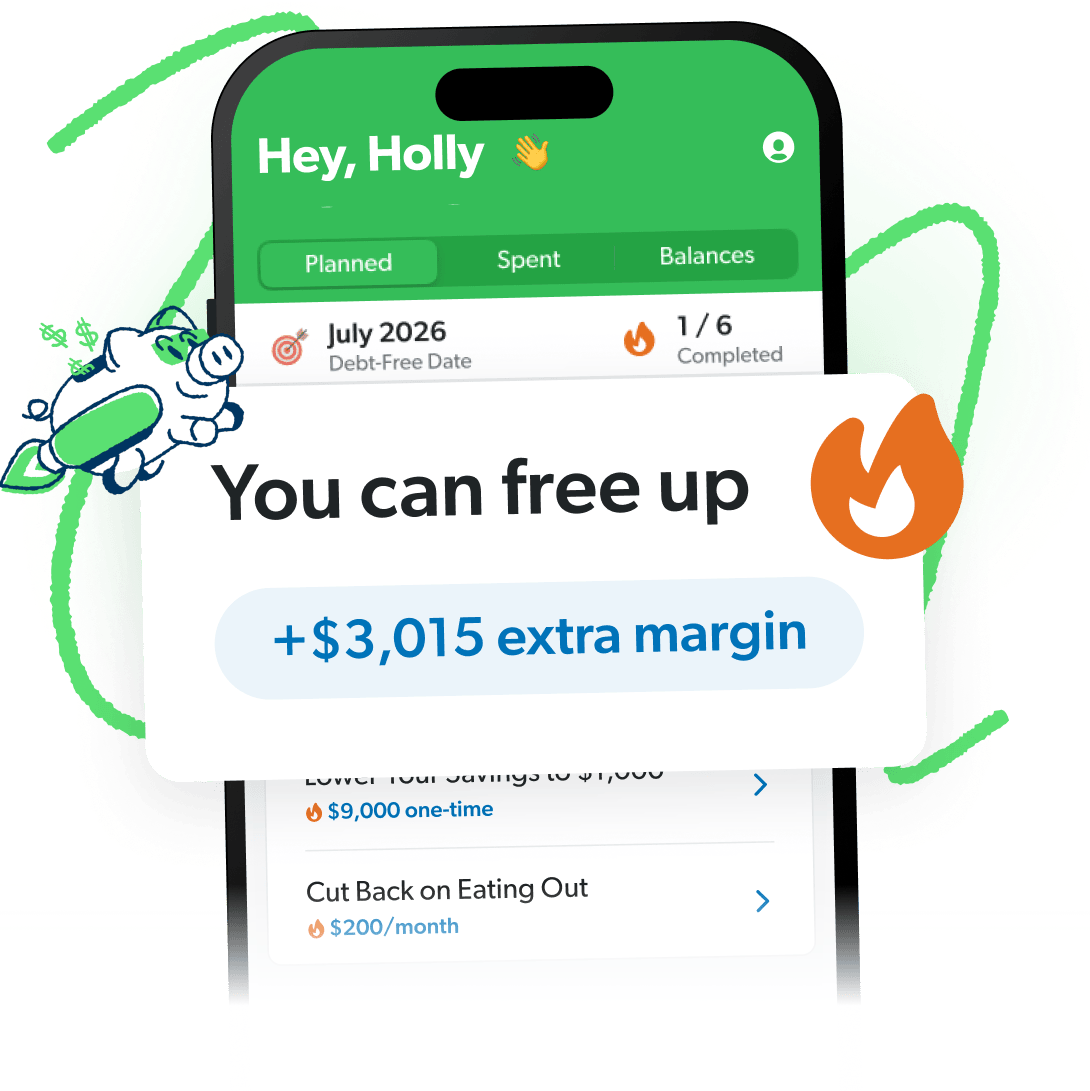
Put More Breathing Room in Your Budget
Money feeling tight? Not anymore. The EveryDollar budgeting app helps you free up thousands of dollars you didn’t know you had—in minutes.
How to Spend Less on Eating Out
If you’re in a place financially where you can still include eating out in your budget, there are plenty of ways to make it less expensive. You can save money at restaurants by splitting meals, skipping the expensive drinks, and finding the best kid’s meal deals.
But if you want to cut down on your overall eating-out costs, here are some ways to help you get your cravings under control.
Take the Time to Meal Plan
The top two reasons people say they’d rather order takeout or delivery are simple: It’s more enjoyable to eat at home, and it’s convenient.8 And hey, we get it. Ordering takeout is easier and quicker than making a meal at home. But with a little meal planning, you can get that same convenience without the extra cost.
It doesn’t have to be complicated or overwhelming. Just choose a couple of budget-friendly recipes (bonus points if they use ingredients you already have), and then decide which nights you’ll cook and which nights you’ll have leftovers. Then, whenever you’re tempted to swing through the drive-thru, you can tell yourself, We have food at home.
Our friend Jodie from the Ramsey Baby Steps Community Facebook group put it this way: “We have a family meeting on Sundays to discuss the week, look at the calendar, and plan what we want to eat each night. Then we make a grocery list and stick to it. Eating out is not in our food budget—restaurants are in our ‘family fun’ envelope.”
Change How You Treat Yourself
Busy morning? A $6 coffee will get me going. Rough day at work? A quick lunch delivery will make me feel better. Made it to the weekend? I deserve to treat myself to a nice dinner!
Whether we’re feeling high or low, it’s easy to justify eating out to help us cope with our emotions. But treating yourself once often turns into treating yourself five times a week. At that point, it’s not a treat—it’s a habit.
Start by giving yourself a predetermined amount of “treat yourself” cards to use during the month. It could be several small treats or one big treat, but having a limit will keep you from blowing your budget. Also, what if you treated yourself to something besides food? You could go on a walk, chat with a friend, or do a hobby you enjoy. There are plenty of cheap (or free) ways to reward yourself!
Make Socializing Less Expensive
Around 52% of people say they prefer to dine out because they want to socialize.9 Yes, going out for a nice meal is a fun way to catch up with friends. But it doesn’t have to be the only way.
Don’t be afraid to ask a friend to meet for coffee or tea rather than a full sit-down meal. And instead of going out to an expensive restaurant with a group of friends, you could take turns hosting at each other’s houses. Everyone can bring their own dinner, or you could do a themed potluck. Remember, you don’t have to spend a ton of money to spend time with your people.
Skip the Delivery App Fees
Delivery apps like Uber Eats, Grubhub and DoorDash are convenient—but super expensive.
Not only are you charged for the meal itself plus tax, but also the service fee, delivery fee and tip for the delivery person. Here’s what that can look like:
|
Item |
Typical Cost |
|
Meal |
$15 |
|
Fees and Tip |
$10–15 |
|
Total |
$25–30 |
Sometimes you end up paying more for the delivery than you do for the actual food (it’s ridiculous)!
So, count the cost before you let your late-night cravings steer you into overdraft. Or at least choose the pickup option and save yourself a good chunk of change on the delivery fees.
Get on a Budget
The best way to save money on eating out (or anything else) is with a budget. Having a plan for your money before the month begins lets you know exactly how much you can spend in each area. And you can easily adjust your spending during the month to stay on track toward your goals.
Ready to start telling your money where to go (instead of always wondering where it went)? Make it easier on yourself and download our EveryDollar budgeting app.
EveryDollar does more than just help you track your spending and manage your money—it actually helps you find more margin every month! Just download the app, answer a few questions, and we’ll build you a plan to free up thousands in margin to put toward your goals.
Next Steps
- Take a hard look at your current eating-out habits and decide where you can cut back to free up money for your top priorities.
- Choose a few go-to meals and plan your week so you’re not relying on convenience when life gets busy.
- Build a zero-based budget with EveryDollar and decide ahead of time how much (if anything) you’ll spend on eating out each month.
Get Weekly Insights Delivered Straight to Your Inbox
Did you find this article helpful? Share it!

About the author
Ramsey Solutions

Get proven Ramsey answers fast.