
Saving Tips
Savings gives you more options with your money. It helps you cover pop-up expenses, plan for big purchases, and feel less stress.

-

Money Finder Challenge
Ready to find some margin in your budget?
Join our Money Finder Challenge to uncover extra cash you didn’t know you had! -
How to Save Money
Spending a little too much lately?
Check out this quick course on the best ways to save money. -
Emergency Fund Guide
Got money saved for that big expense?
Find out how an emergency fund can help keep you in control of your money.
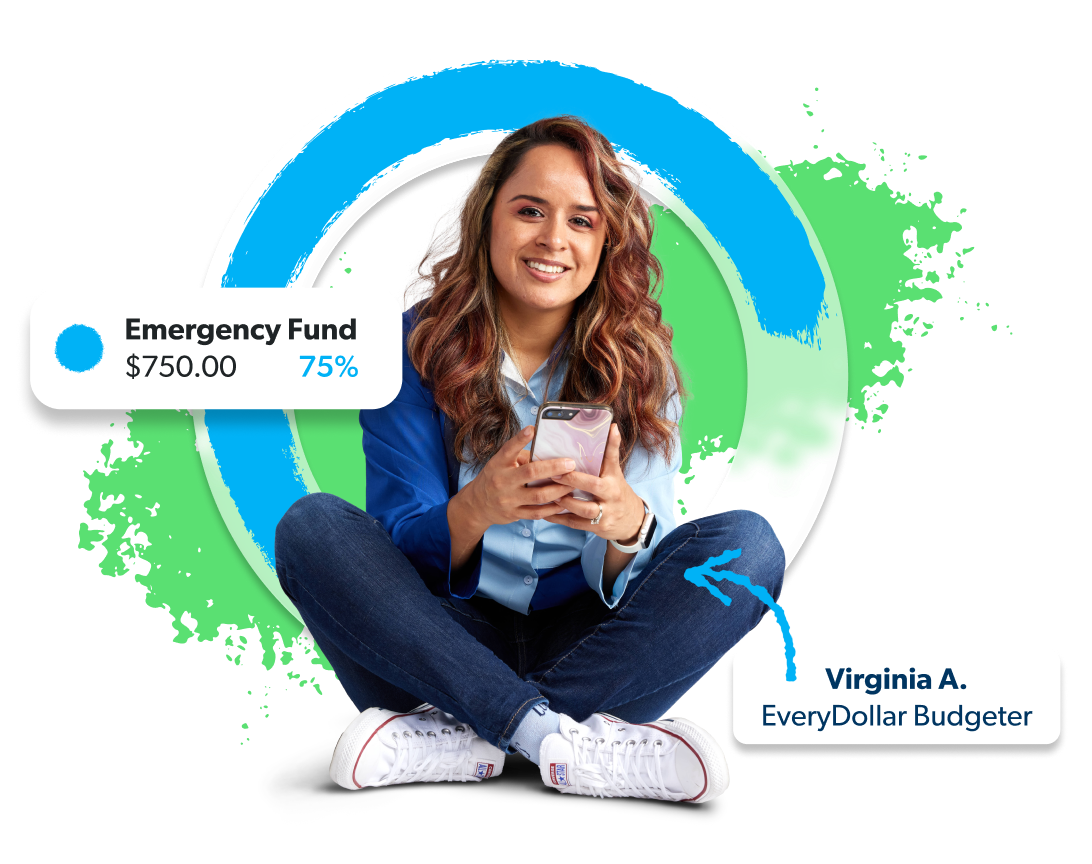
Saving Money 101
When you save, you create more control, more confidence, and more breathing room in your budget. It’s a simple way to make progress without feeling like your whole paycheck is already gone before you get it.
• Start with building an emergency fund.
• Add to it little by little.
• Treat saving like a monthly bill.
• Automate it to make saving easier.
• Keep your goal in mind so you stay motivated.
Free Tools
Check out our free tools to help get clarity on your money goals.

Money-Saving Tips
Explore these tips for easy ways to start saving money on meal prep, grocery expenses and cheap vacations!
Earn More, Save More
Whether it’s working a side gig or selling old stuff, these cheat sheets can help you hit your money goals faster.


Save for Life’s Big Expenses
Whether you’re buying a car, saving for a wedding, or building an emergency fund, setting aside money every month helps you avoid debt and stress. You can even save up and pay for college without student loans!
Give Every Dollar a Job
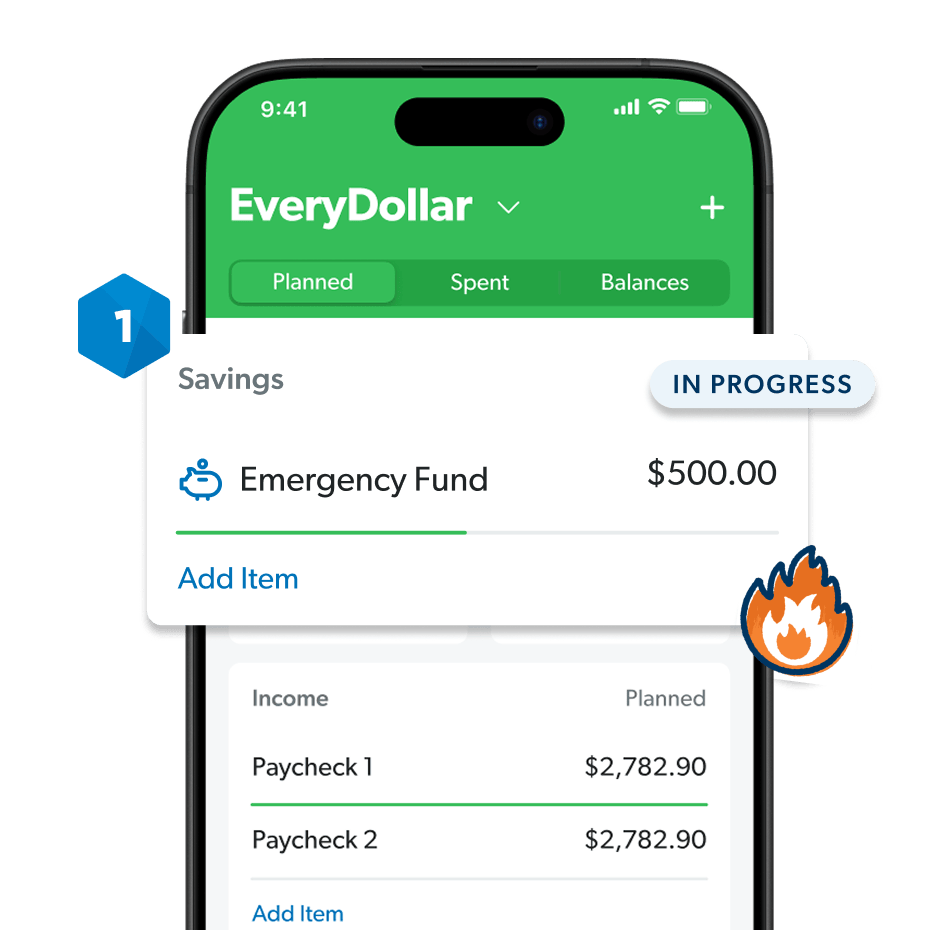
Start telling your money where to go, so you can save on purpose—not just hope there’s something left over. Our EveryDollar app helps you give every dollar a job and make saving part of the plan.
Frequently Asked Saving Questions
-
How much money should I save each month?
-
How much you save each month depends on which Baby Step you’re on. First, save $1,000 for a starter emergency fund. Then focus on paying off debt. Once you’re debt-free, build a full emergency fund of 3–6 months of expenses, then invest 15% of your income for retirement.
-
How do I start saving money?
-
The fastest way to save money is to cut expenses and increase your income. But you’ll need a budget to see exactly where your money’s going so you know what to cut.
-
Should I save money or pay off debt first?
-
Start with Baby Step 1 and save a $1,000 starter emergency fund. Then use the debt snowball (paying off debts from smallest to largest) so you can free up money and start building savings.
-
Emergency fund vs. sinking fund: What’s the difference?
-
An emergency fund is for expenses you can’t see coming. A sinking fund is for expenses you know are coming, like car repairs, vacations or a move.
-
How much should I have in an emergency fund?
-
Start with a $1,000 starter emergency fund. Then, once you’re out of debt, build a fully funded emergency fund of 3–6 months of expenses.
-
Where should I keep my savings?
-
Keep your savings somewhere safe and easy to access, like a separate savings account. It should be easy to reach but separate from your everyday spending.
-
How can I save money fast?
-
If you want to save money fast, just trim the extras, sell unused stuff, and bring in more income. To make even faster progress, do it with gazelle intensity!
-
How do I stay consistent with saving money?
-
Staying consistent with saving starts with a plan. Give every dollar a job in your budget and make saving part of your budget every month:
- Set a clear goal so you know what you’re working toward.
- Add saving as a line item in your budget.
- Check your budget weekly to stay on track.
- Stay flexible when life happens, and start again next month.