
How to Organize Your Important Documents
9 MIN READ | FEB 5, 2025
 By
By
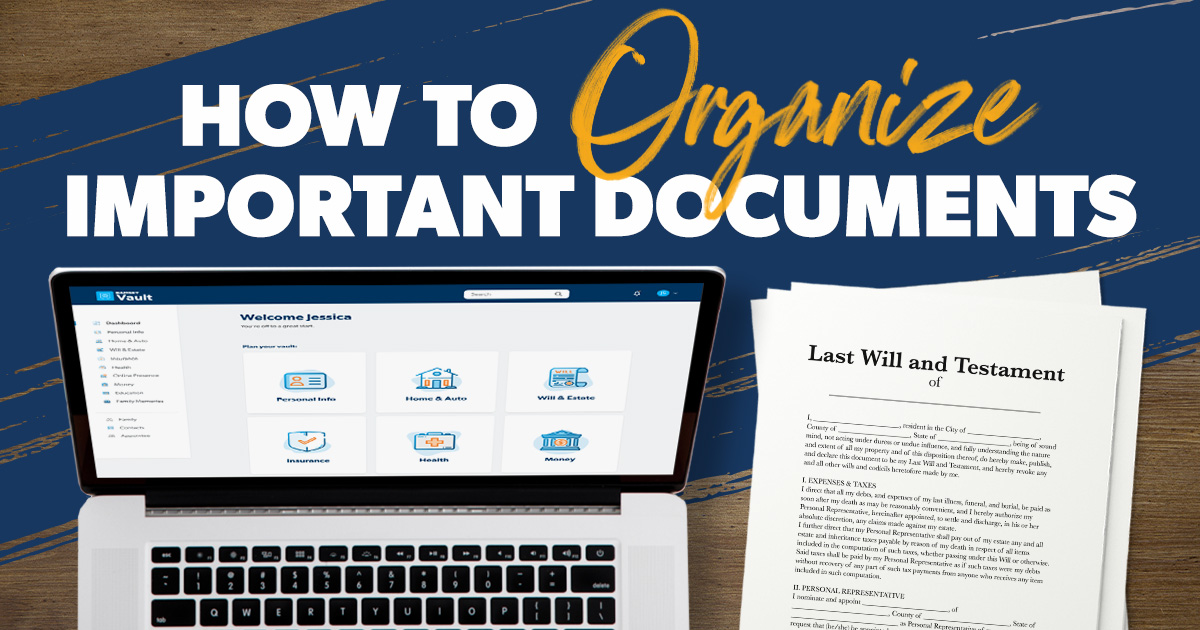
Being an adult has its perks . . . and challenges. When you’re little, you dream about the day you get to drive your own car, have your own house, and stay up as late as you want. But you never think about the not-so-fun parts—like paying taxes, having a tooth pulled, or getting your driver’s license renewed. Oh, and what about figuring out how to safely organize the important documents you’re supposed to hold on to throughout the years?
At some point, asking your 75-year-old mom to overnight a copy of your birth certificate just doesn’t cut it anymore. So how the heck do you know the difference between the important documents and the ones that should go straight to the shredder?
Don’t worry—we’ve got you covered. Let’s talk about which documents to protect, which documents to toss, and the why behind both decisions.
What Are Important Documents?
Important documents are certain legal, tax, medical, property and personal records you should hold on to in case you need to reference or use them down the road. You know, the stuff you keep around “just in case.”
You could wind up needing one of those important documents if a big life event happens, like buying a house, having a baby, changing your name, or making a will. And when one of those big moments arrives, the last thing you’ll want to do is run around the house searching for the papers you need like you’re Monty Python looking for the Holy Grail (because you probably don’t have access to the Holy Hand Grenade).
So, you need a document organizer somewhere in your home that you can easily find in those big moments. Which are the most important documents to hang on to? They include:
- Legal identification documents
- Social Security cards
- Birth certificates
- Adoption papers
- Marriage certificates
- Passports
- Tax documents
- Tax returns
- W-2s and 1099 forms
- Any other tax-related forms, receipts and records
- Property records
- Vehicle registrations and titles
- Mortgage statements, deeds and bills of sale
- Insurance policies (home, auto, personal property, etc.)
- Estate planning documents
- Wills and trusts
- Powers of attorney
- Life insurance policies
- Burial instructions
- Finance records
- Pay stubs
- Canceled checks
- Medical bills
- Disability or unemployment records
- Retirement or pension plan records
- Investment statements
Overall, you should hold on to a document if you think you might need it, if it’s a personal identification document, if it’s something that has to do with your finances, or if it protects your future (like life insurance or a will).
Everything else is probably just clutter. Commence shredding! Seriously, though: Shred any document with personal information on it before you toss it in the dumpster—you never know who could get their hands on it.
Should I Keep Paper or Digital Copies?
We know filing digital copies of all those important documents away on a hard drive or online cloud may seem like the best option—no loose papers, no mess and no worries. But it’s almost always a good idea to have a hard copy on hand, filed safely away just in case.
For example, when it comes to your will, your loved ones could wind up with a bit of legal mess on their hands if they’re only left with a digital copy and not the original.
Plus, we’ve all heard tragic stories about failed hard drives and lost laptops. So when in doubt, print it out (and keep it filed in a safe place).
Now, if you want to file digital copies of your important documents to make them easier to access and share, that’s a great idea! Just make sure you have a paper backup.
How Long Should I Keep My Important Documents?
Now that you know how to tell the important documents from the not-so-important ones, you might wonder how long you should keep them around. You also may be curious about some documents we didn’t cover above. So let’s dive in!
How Long Should I Keep My Bank Statements?
These days, virtually every bank in the world offers their statements online and only sends them through the mail if you ask them to. So is there any need to print out those bad boys and file them away? Nope.
Get Weekly Insights Delivered Straight to Your Inbox
Did you find this article helpful? Share it!

About the author
Ramsey Solutions

Get proven Ramsey answers fast.