
"Hey Coach, I Got My Comma!"
How Intentional Financial Education Shapes Long-Term Outcomes
Students hear about money long before they understand how it works. Social media normalizes debt, promises fast wealth, and downplays long-term risk. In the middle of all that noise, personal finance teachers like coach Patrick Bunch can offer clarity.
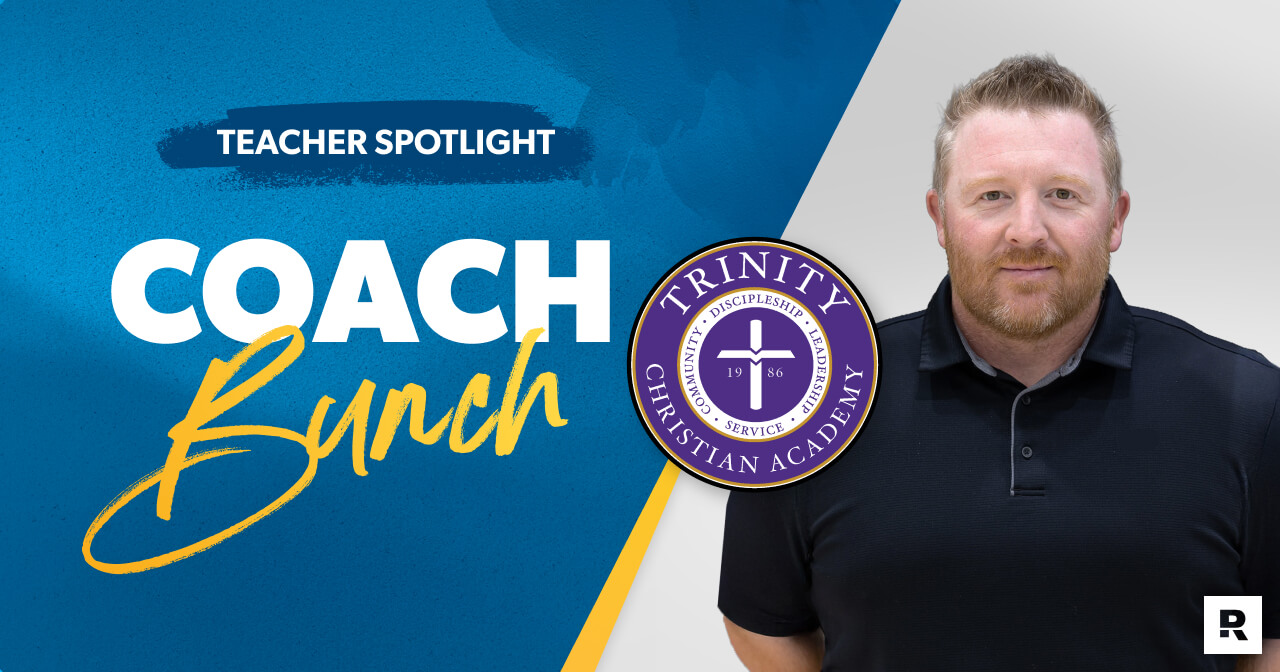
In coach Bunch’s Foundations in Personal Finance class at Trinity Christian Academy in Jackson, Tennessee, students learn how to plan, save and think long term. Along the way, he uses simple milestones—like earning a comma in a bank account—to help students see their progress. That focus turns abstract concepts into real-world confidence.
Teaching Money With Purpose
Coach Bunch has spent years teaching personal finance to high school students and works with roughly 100 students each year. Since bringing Ramsey Education’s Foundations in Personal Finance into his classroom, he’s seen a consistent pattern: When students understand why money works the way it does, they start making better decisions earlier.
But coach Bunch doesn’t approach personal finance as a theoretical subject. He teaches it as preparation for adulthood. Early in the course, he tells students that he teaches one extra person every day—an invisible 18 year old sitting in the front row.
“That student is me,” he explains. “Twenty-four years ago, I didn’t listen to what I’m about to teach you.”
That honesty sets the tone for the rest of the semester. Students quickly recognize that the class exists to help them avoid common money mistakes and build habits they can carry with them beyond graduation.
Helping Students Avoid Common Money Mistakes
Using the Foundations curriculum, coach Bunch walks students through real financial scenarios and asks them to make decisions before they ever face those choices in real life. Budgeting tools, clear frameworks and step-by-step planning help students see how consistent actions—like tracking spending and saving intentionally—lead to measurable progress over time.
Instead of feeling overwhelmed by money, students learn management skills that help them feel empowered and build their confidence. They start to see progress they can measure by following a proven plan to save an emergency fund, get out of debt, pay cash for college, and build wealth.
As they reach milestones in their financial journey, like earning a comma in a bank account, students personally experience how intentionality and having a plan are the keys to succeeding with money.
Taking Lessons Beyond the Classroom
For coach Bunch, success doesn’t end when a semester does. It shows up years later, when former students face real financial decisions and recognize the value of what they learned.
One of those moments came when Faythe, a former student, reached out with an update.
After taking Foundations with coach Bunch, Faythe followed the same principles she learned in his classroom along with her husband, Cameron, who also took Foundations as a homeschool student.
Coach Bunch remembers the first message clearly. “Faythe texted me a couple of years ago and said they were doing the Baby Steps,” he said. “She told me they couldn’t wait to one day be able to do their debt-free scream.”
From that point on, he followed their progress from a distance—occasionally checking in, always encouraging them. Then came another message.
“She texted me again and said, ‘We made it. We paid off our house,’" coach Bunch said. “I was so excited for them.”
Soon after, coach Bunch listened as Faythe and Cameron shared their debt-free scream live on The Ramsey Show.
At just 24 and 27 years old, the couple paid off $161,400 in debt, including their home. Cameron described how the principles they both learned in Foundations impacted their financial outlook: “The key to getting out of debt is having a plan and following it,” Cameron said. “You won’t get anywhere if you don’t have a plan.”
After making their final mortgage payment, the reality took some time to sink in.
“We’ve had a couple of months with no mortgage payment,” Cameron added. “It feels weird—but great.” For coach Bunch, hearing those words confirmed exactly why he teaches the way he does.
“That’s why this class matters,” he said. “When students take these principles seriously, they don’t just remember them. They live them.”
Watch Faythe and Cameron’s debt-free scream below.
Building Momentum That Reaches Beyond One Student
Faythe and Cameron’s story to financial peace stands out, but she’s not alone.
Coach Bunch regularly hears from former students who continue using what they learned in his class. Some reach out to share savings milestones. Others ask questions about budgeting, investing or major financial decisions. Many stay in touch simply to say thanks for offering such an applicable class.
“I text students from time to time just to check in,” coach Bunch said. “I want to know how they’re doing on their debt-free journey.”
He’s also watched students take early steps toward investing. Coach Bunch estimates that 20–25 students started growth stock mutual funds while still enrolled in his class. For many of them, the decision feels less intimidating because they’ve learned the basics of how investing and compound interest work.
Coach Bunch reinforces that momentum intentionally. At the end of each semester, he asks students to write a final essay—not to him, but to the next class of personal finance students. In those letters, students explain what they learned, what surprised them, and why the class matters.
Future students read those essays on the first day of class. They hear directly from peers who’ve already completed the course and applied the lessons. The message carries weight because it comes from fellow students, not adults.
“The kids love the class,” coach Bunch said. “Everything we cover applies to them immediately. This is real life.”
When students practice managing money early, they tend to approach adult financial decisions with greater confidence. Long after students leave the classroom, they carry those principles with them. And in some cases, they come back to say, “Hey coach, I got my comma!”
Want to learn more about how teachers like coach Bunch are impacting students’ lives long after graduation? Learn more about Ramsey Education’s Foundations in Personal Foundation curriculum.
Get Weekly Insights Delivered Straight to Your Inbox
Did you find this article helpful? Share it!

About the author
Ramsey Education

Get proven Ramsey answers fast.