
 By
By
Link copied!
Unable to copy link. Please try again.
Key Takeaways
- Grocery prices increased 2.4% from February 2025 to February 2026.1
- Groceries are more expensive due to several factors, including inflation, weather, labor costs and supply chain issues.
- Specific food prices that have increased the most include coffee, lettuce, candy and canned fruit.
As the grocery cashier drags canned goods across the scanner, you notice the total on the little screen getting much higher than you thought it’d be. You think, Did something ring up wrong? Am I going to have to put something back to afford all this food? Ever been there?
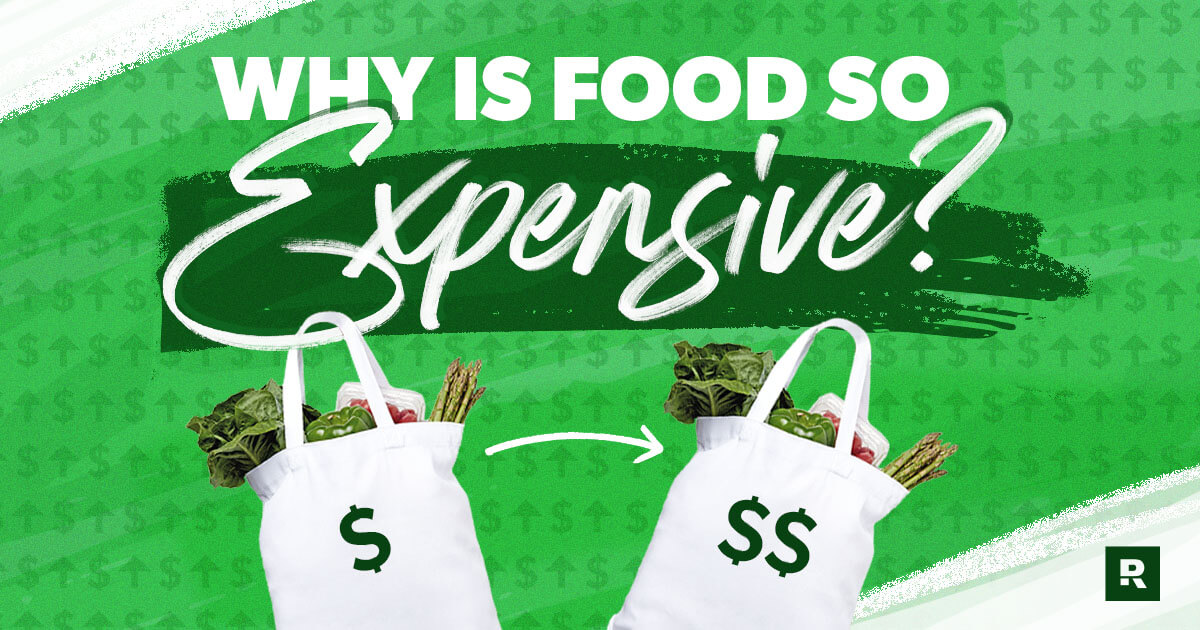
Grocery prices have gone up recently due to inflation, extreme weather, labor shortages, supply chain disruptions and rising production costs. All these things have increased the cost of producing food and delivering it to stores. And consumers get stuck paying higher prices.
In fact, from February 2025 to February 2026, grocery prices increased 2.4%.2 And they’re up about 30% from 2020!3 It’s enough to make you throw a mini tantrum in the checkout line—right next to the 5-year-old begging for a Kit Kat bar.
Let’s break down some of the main reasons a trip to the grocery store has become a pain in the wallet. Plus, we’ve got some tips to help you save money when grocery shopping!
|
Factor |
How It Raises Grocery Prices |
|
Inflation |
Reduces buying power |
|
Weather |
Damages crops and lowers supply |
|
Labor shortages |
Raises wages and costs |
|
Supply chain issues |
Increases cost of machinery and supplies, like fuel and fertilizer |
How Inflation Is Driving Up Grocery Prices
It’s been a couple years since inflation was the big news story. Back in 2022, everyone was feeling the pain of rising prices on everything from cars to candy bars. Grocery prices actually increased by more than the average inflation rate for other goods, topping out at 11.4%.4 That means your $100 grocery order in 2022 was $111 a year later. Yikes!
While we haven’t had as many big jumps in prices as we did in 2022, higher prices have stuck around. This year, grocery prices are expected to rise another 3.1%.5 And those projections don't even account for how the recent war in Iran is driving up prices.
To add insult to injury, your paycheck probably hasn’t grown as much as those prices have. Ask yourself: Are you making 30% more than you did six years ago? Probably not. So you have less buying power, and the feeling that grocery prices are too high is very real! Your hard-earned dollars just don’t go as far as they used to.
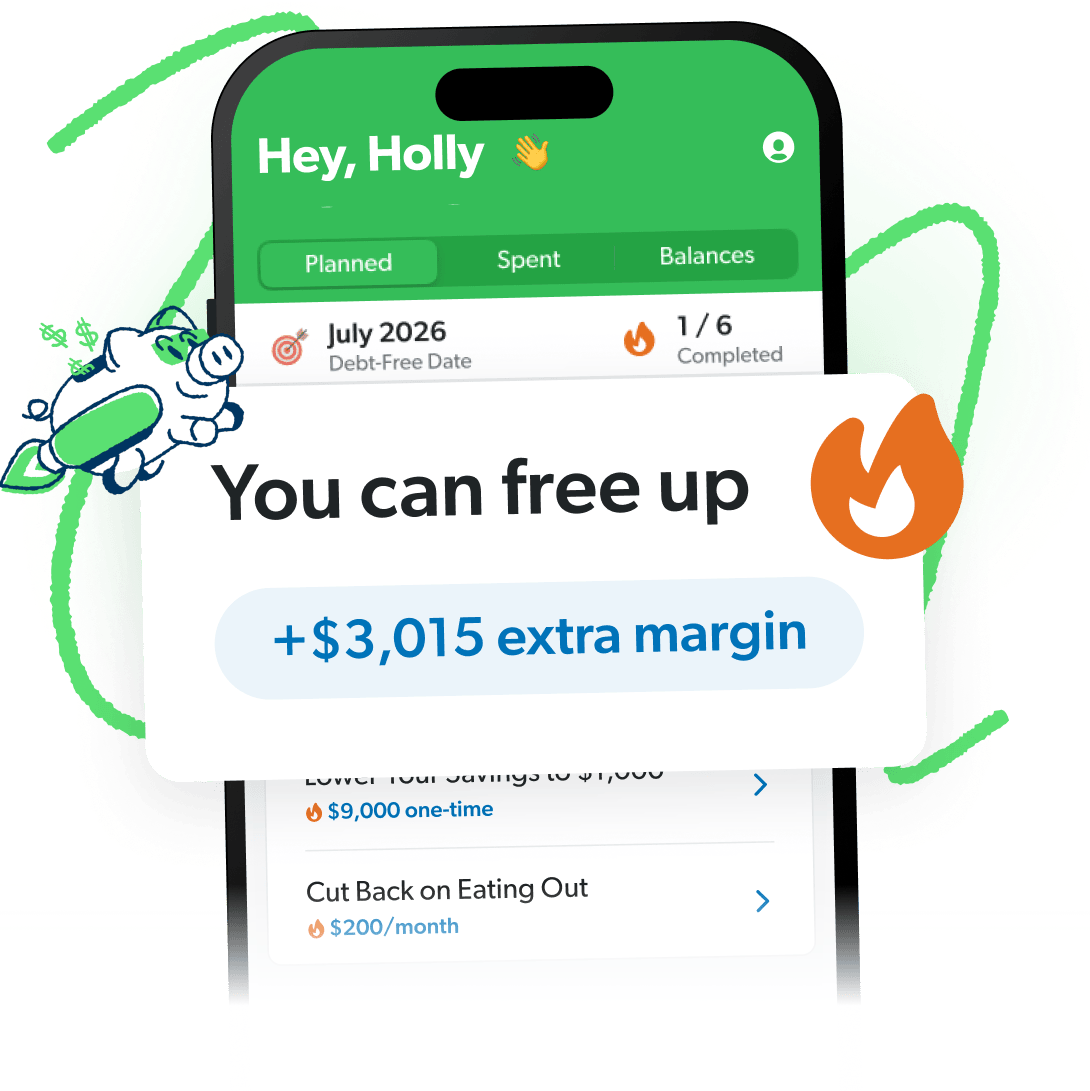
Put More Breathing Room in Your Budget
Money feeling tight? Not anymore. The EveryDollar budgeting app helps you free up thousands of dollars you didn’t know you had—in minutes.
How Weather Impacts Food Prices
Food prices—especially for fruits and vegetables—can swing up and down based on weather. Droughts, fires, floods, hurricanes and other natural factors can ruin crops and make food prices rise, even years down the road. On the other hand, a perfect growing season with plenty of rain and sunshine can bring prices down for certain crops.
For instance, the price of coffee jumped about 30% over the past year, with droughts in major coffee-producing countries like Brazil and Vietnam playing a big role.6 If you’re a coffee drinker, you might even be thinking about switching to tea at this point. (Well, probably not.)
Weather also affects the price of beef and other livestock. A lack of rainfall in the U.S. the last few years hurt the production of feed crops, so ranchers decided to reduce their herds. Fewer cows mean higher prices for steaks and hamburgers.
How Labor Shortages Make Groceries More Expensive
Whether you’re eating a fresh apple or something packaged, like Frosted Flakes, it took a lot of work to get that product to the grocery store shelf. And there’s currently a labor shortage in the food industry. Farmers, truck drivers, food processors, and grocery store workers are in shorter supply, leading to higher wages and higher prices for shoppers.
But even though there are fewer people helping to produce our country’s food supply, America’s appetite isn’t getting any smaller. And when people buy food faster than it can be produced—you guessed it—your grocery bill gets bigger.
How Supply Chain Issues Raise Grocery Prices
The U.S. imports about 15% of all its food.7 And the entire process has gotten a lot more expensive lately. Wars have disrupted food production and transportation in certain parts of the world.
International shipping costs, as well as tariffs and trade wars, also directly increase the cost of certain foods we get from other countries. And unfortunately, that extra cost gets passed on to us. All these factors make imported food like bananas and seafood pricier.
Why It Costs More to Produce Food Today
When the prices of farm supplies go up, farmers have to pay more for seeds, fertilizer, animal feed and equipment they need to produce all the delicious foods we eat. And extra cost for farmers means extra cost for you, the consumer.
And let’s not forget about the gas to run tractors, other farm machinery and delivery trucks. When gas prices go up, food prices usually go up too because farmers and delivery drivers have to spend more money on fuel.
Food Prices That Have Increased the Most
The U.S. government tracks prices of all kinds of goods and services with a measure called the Consumer Price Index (CPI). According to February 2026 CPI numbers, here are some of the foods that have gone up the most in the last year:
- Coffee: 18.4%
- Lettuce: 15.3%
- Beef and veal: 14.4%
- Condiments (not including relishes and sauces): 12.5%
- Candy and chewing gum: 11.6%
- Fresh cakes and cupcakes: 9.9%
- Uncooked poultry (including turkey, but not chicken): 8.9%
- Canned fruits: 8.6%
- Frozen fish and seafood: 8.1%
- Bananas: 6.1%8
And these changes don’t just affect grocery prices. The bill at your favorite restaurant or fast-food joint has also gotten higher. The cost of food away from home (aka eating out) increased 3.9% from February 2025 to February 2026.9 So much for those dollar-menu chicken nuggets!
Will Grocery Prices Go Down in 2026?
Grocery prices are expected to keep rising in 2026 (womp womp). The U.S. Department of Agriculture predicts overall food prices will increase about 3.6% in 2026, with grocery store prices (food at home) rising around 3.1% and restaurant prices (food away from home) climbing closer to 3.9%.10
The good news? That kind of increase is still pretty close to what we’ve seen historically. A 2–3% increase in prices each year is about what you should expect. So even though inflation is a little higher than normal this year, prices aren’t spiraling out of control like they were a few years ago.
Some categories—like beef, sweets and drinks (hello, coffee)—are expected to keep climbing faster than usual. Others, like poultry, eggs and dairy products, could actually see prices go down in 2026.
And of course, there’s always the wild cards—weather, supply chains, global markets, you name it—that could still push prices higher. But for now, expect steady (if slightly annoying) increases.
How to Save Money on Groceries When Prices Are High
Okay, enough with all the depressing stuff. Yes, food prices are going up. But you’ve still got to eat, right?
Here are some things you can do to fight inflation and save money on groceries this month.
1. Do your research.
Meal planning is a great way to make sure you’re keeping costs low and only buying what you need. And now more than ever, it’s a good idea to do a little research before you make your shopping list.
See what’s in season and check out specials at your local supermarket. Are diced tomatoes buy three, get three free? Looks like you’re making salsa! You can save a ton of money just by planning your meals.
Here’s how Annabel from the Ramsey Baby Steps Community Facebook group approaches it: “We usually shop at the store once a week. On Sundays, I plan what we eat for the week (sometimes the whole month gets planned to make it even easier). We always check for sales in the store flyers and shop around the sale dates. Just stick to what you actually NEED for the meal plan.”
2. Use what you have.
Nobody likes wasting food, especially when throwing away one avocado is like throwing $3 in the trash. So before you head to the store, take a long, hard look inside your fridge and pantry. You might already have the ingredients for a few meals—you just need to get creative.
This is exactly what Allison from the Ramsey Baby Steps Community Facebook group does: “We do weekly shopping trips, which help keep food from going bad. We plan out one week of meals at a time, then I go meal by meal to see what is needed and check my pantry/fridge for what we already have. Any items truly needed get added to the list. This has helped us so much!”
That kind of simple planning makes a big difference. Got some rice? Add beans to your list. A little bit of milk in the fridge? Use it to make pancakes. Leftover chicken tenders? Grab some tortillas and make tacos. Taking inventory each week will help you save money and keep you from throwing out perfectly good food. It’s a win-win!
3. Choose generic brands.
Even though prices are going up, you can still shave a couple dollars off the total cost by choosing generic brands. You might not be willing to give up your name-brand cereal or cookies right now, but most staples (like milk, canned vegetables, spices and flour) are practically the same.
In fact, most store brands are similar enough to the name brands in overall taste and quality—and they’re usually 20% to 25% lower in price.11 Just be sure to compare prices while you’re in the aisle so you know you’re actually saving money.
4. Cut back on the meat.
Listen, we’re not telling you to suddenly become a vegetarian. But meat is expensive! You may not be ready to give up your morning bacon ritual just yet, but try replacing a couple meals throughout the week with a nice salad, pasta or veggie dish. You can find lots of great meatless recipes out there, and you might just discover a new favorite.
5. Freeze your meals.
If you’re worried about food prices continuing to rise, you can stock up on ingredients now and freeze some meals for later. All you need is a day to cook up a couple casseroles and some room in your freezer.
This can be especially helpful with meat. When you catch a good sale on chicken, ground beef or other proteins, buy a little extra and freeze it, or cook meals ahead of time. That way, you’re locking in the lower price instead of paying more later.
Just be sure to make things you won’t mind eating on repeat for a while.
6. Adjust your food budget.
Food prices may be going up, but you will get through this. All it takes is intentional planning, some focus, a little bit of creativity and of course, your trusty budget.
Having a budget is the best way to combat rising prices. When you make a plan for your money before the month begins, you can shop those grocery store aisles with confidence. Plus, the great thing about a budget is you can adjust it as things change!
Ready to start telling your money where to go (instead of always wondering where it went)?
Make it easier on yourself and download our EveryDollar budgeting app. EveryDollar does more than just help you track your spending and manage your money—it actually helps you find more margin every month!
Just download the app, answer a few questions, and we’ll build you a plan to free up thousands in margin to put toward your goals.
Next Steps
- Try planning your meals this week to help lower your grocery bill. Then, try to keep it going each week!
- Look for easy ways to save on groceries, like buying generic brands and freezing extras.
- Use the EveryDollar app to build a monthly budget and keep your grocery spending on track.
Frequently Asked Questions
-
Why are groceries so expensive right now?
-
Groceries are expensive right now due to inflation, extreme weather, labor shortages, supply chain disruptions and rising production costs. These factors increase the cost of producing and transporting food, and those higher costs are passed on to consumers.
-
Are grocery prices still going up in 2026?
-
Yes, grocery prices are expected to keep rising in 2026, but at a slower pace. Experts predict increases of around 3% for groceries and slightly higher for eating out, which is closer to normal historical levels.1
-
What foods have increased the most in price?
-
We’ve seen some of the biggest price increases in items like coffee, lettuce, beef, candy and canned fruit. These items are more affected by factors like weather, supply shortages and higher production costs.
-
Will grocery prices ever go back down?
-
Some food prices may decrease depending on supply, weather and market conditions. But overall, grocery prices tend to rise over time, with small increases each year considered normal.
-
Is it cheaper to eat at home or eat out right now?
-
Eating at home is still generally cheaper than eating out. Restaurant prices are also increasing, often faster than grocery prices, making home-cooked meals the more budget-friendly option.
Get Weekly Insights Delivered Straight to Your Inbox
Did you find this article helpful? Share it!

About the author
Ramsey Solutions

Get proven Ramsey answers fast.