
What Are Mortgage Bonds and How Do They Affect Rates?
 By
By 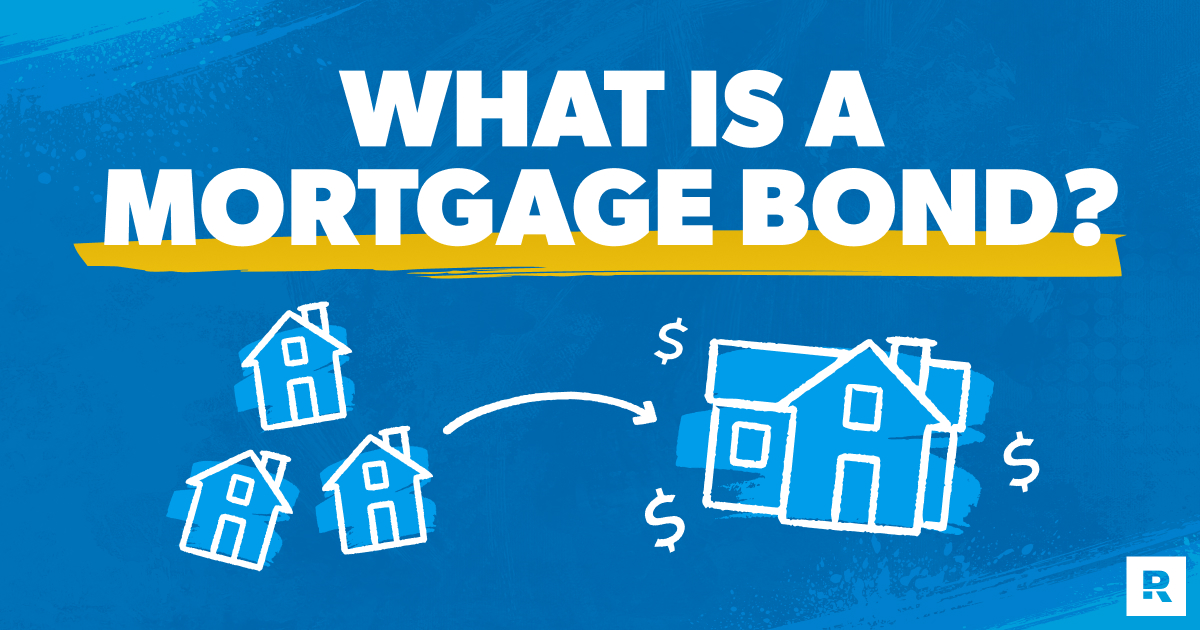
Key Takeaways
- Mortgage bonds bundle many home loans into one investment.
- Investor demand for mortgage bonds influences mortgage rates.
- Mortgage bonds do play a role in mortgage rates—but they don’t determine whether you’re ready to buy a house.
- Recent White House actions have brought mortgage bonds back into the headlines.
- Headlines can move the housing market short-term, but your finances matter more.
Since mortgage bonds are in the news right now, let’s start with what’s happening—and then walk through what they are and how they work.
Mortgage Bonds in the News: Trump, the White House and the Housing Market
Rising home prices and current interest rates have made for a tough housing market—especially for first-time home buyers. President Trump and his administration have recently taken steps aimed at improving home affordability, including:
- Lowering mortgage rates through bond purchases: Government-backed housing agencies (like Fannie Mae and Freddie Mac) would purchase up to $200 billion in mortgage bonds to increase investor demand and ease pressure on mortgage rates.1 (We’ll explain how that works below.)
- Reducing competition from large buyers: The administration has proposed restrictions on large institutional or investor home buyers to reduce competition for individual buyers.
In the short term, announcements like these can affect mortgage rates and shake up markets as investors, lenders and buyers react to new information or policy direction.
On the flip side, some economists are skeptical that policy changes alone will make a lasting difference in home affordability—pointing instead to bigger factors like housing supply, inflation and the overall economy.
What This Means for Home Buyers
From a Ramsey perspective, here’s our guidance:
- Don’t rush into a home because of political headlines.
- Don’t put off buying to wait for “better” rates.
- Make decisions based on your budget, not speculation.
Our advice: Turn off the news. Make sure you’re financially ready to buy a home. If you are, go for it—regardless of the interest rate.
Now let’s take a closer look at how mortgage bonds work.
Mortgage Bonds Explained
A mortgage bond is a type of investment made up of many home loans bundled together and sold to investors. Mortgage bonds matter to home buyers because investor demand for these bonds plays a big role in where mortgage rates land.
When a lender gives someone a mortgage, that loan doesn’t usually stay on the lender’s books for long. Instead, lenders group mortgages together and package them into mortgage bonds for investors to buy.
Think of it like this:
- Each mortgage is one sheet of paper.
- Thousands of those sheets get stacked into one big folder.
- That folder is sold to investors.
- Homeowners keep paying their mortgage like normal.
Nothing about your loan changes just because it’s part of a mortgage bond. You still make the same payment to the same servicer, on the same schedule.
What Are Mortgage-Backed Securities?
That’s just the formal name for mortgage bonds.
Same thing. Different label.
Financial professionals tend to use the longer term, but for everyday home buyers, mortgage bond and mortgage-backed security mean the same thing: a big bundle of home loans sold to investors.
Why Do Mortgage Bonds Exist?
Mortgage bonds help keep money flowing through the housing market.
By selling these bundles:
- Lenders free up cash
- More mortgages can be issued
- The housing market keeps moving
That’s the benefit to lenders, but what’s in it for investors?
Mortgage bond investors make money in two main ways:
- As homeowners make their monthly payments on the mortgages bundled inside the bond, the servicer collects them and passes a portion along to investors.
- If rates drop after an investor buys a mortgage bond, its value can rise because it pays a higher rate than newly issued bonds. The investor can then sell it for more than they paid.
That stream of income and potential profit drive investor demand—and that demand has an influence on mortgage rates.
How Mortgage Bonds Affect Mortgage Rates
Mortgage interest rates don’t come out of thin air, and they don’t come straight from the Federal Reserve either. Let’s take a look at how demand for mortgage bonds can affect mortgage rates.
It’s all about supply and demand. Think of the mortgage bond market as a pool of money that lenders can use to offer home loans. When demand is high and investors are buying lots of mortgage bonds, here’s what happens:
- Lenders have more money to lend.
- More lending increases competition among lenders.
- That competition causes lenders to lower mortgage rates to attract more borrowers.
But when demand for mortgage bonds is low—meaning fewer investors are buying bonds—there’s less money for lenders to make loans. That leads to less competition, and rates start to climb.
So, whether or not the Fed changes rates, demand for mortgage bonds (or lack of it) plays a role in where mortgage rates land.
What Affects Mortgage Rates (and What Doesn’t)
|
Does |
Doesn’t |
|
Investor demand for bonds |
Individual credit scores* |
|
Inflation expectations |
Daily news headlines |
|
Treasury yields |
Election results alone |
*Your credit score affects the rate you’re quoted, not the market-wide rate.
Where the 10-Year Treasury Yield Fits In
You may hear people talk about the 10-year Treasury yield when discussing mortgage rates. That’s the interest rate the U.S. government pays on 10-year Treasury bonds, which are often promoted as one of the “safest” investments.
It acts as a reference point for long-term interest rates (like mortgage rates) across the economy. Broader economic shifts (like inflation) can influence Treasury bonds, and mortgage rates often move in the same general direction.
A simple way to picture it: If Treasury yields are the tide, mortgage rates are boats floating nearby. They don’t move in perfect sync, but they usually rise and fall together.
That’s another reason why mortgage rates can change even when nothing big seems to be happening in the housing market.
Why Most Home Buyers Never Think About Mortgage Bonds (and That’s Okay)
The truth is, most home buyers don’t need to track mortgage bonds—or bond markets at all.
You can’t control:
- Investor demand
- Global markets
- Economic headlines
But you can control:
- How much house you buy
- How much debt you carry
- Your down payment
- Whether your payment fits comfortably in your budget
Rate watching is just a distraction from what really matters: buying a home you can actually afford. A slightly higher rate on a home you can afford beats a lower rate on a payment that stretches you thin.
Mortgage Bonds, Risk, and the 2008 Housing Crash (Quick Context)
For many people, mortgage bonds bring up memories of the 2008 housing crash. Back then, the biggest problems weren’t mortgage bonds themselves. The real issues were:
- Risky loans being handed out to unqualified buyers
- Overconfidence that home prices could only go up
A major part of that risk came from loan types like subprime mortgages, which lenders gave to borrowers who couldn’t afford their payments after adjustable rates reset and monthly payments increased.
Today’s mortgage market looks very different. Lending standards are tighter, and borrowers are generally better qualified.
Mortgage bonds still carry risk—like any investment—but they’re no longer built on the same shaky foundation that caused so much damage in the past.
|
Then (2008) |
Now |
|
Loose lending standards |
Stricter underwriting |
|
Risky loan products |
More qualified borrowers |
|
Buyers stretched too thin |
Higher credit quality |
Do Mortgage Bonds Affect Whether You’re Ready to Buy a Home?
It’s simple: When you’re buying a home, headlines about mortgage bonds and rate fluctuations are never more important than whether you’re personally financially ready.
We want you to own a home—but we don’t want your home to own you.
The goal isn’t to catch the perfect rate—it’s to buy a home you can afford, with a payment that leaves room in your budget for other important financial goals. Hint: Aim for a payment that’s no more than 25% of your take-home pay.
What This Means if You’re Buying or Refinancing
If you’re buying or refinancing, this is where the math matters most—and where understanding the types of mortgages can help you make a smarter decision.
Focus on what you can control: price, down payment, and a monthly payment that fits your budget.
Rather than trying to time interest rates, choose a 15-year fixed-rate mortgage so you can pay off your home faster and pay way less in total interest over the life of your loan. If rates drop after you get your mortgage, see if refinancing makes sense.
Avoid mortgage options that increase risk or cost more in the long run—even if they look like a better deal when rates are moving.
If you want help finding an affordable mortgage you can pay off fast, work with a lender we trust—like Churchill Mortgage.
The Bottom Line on Mortgage Bonds
Mortgage bonds affect mortgage rates, but they don’t determine:
- Whether you’re financially ready to buy a house
- What you can afford
- Whether a home fits your long-term goals
Markets will move. Headlines will change. But at Ramsey, we believe commonsense financial principles stay steady.
Next Steps
- Check out the current average mortgage rate on our Market Trends page.
- Learn how much house you can afford with our Mortgage Calculator.
- Find a home you can afford—with a RamseyTrusted® real estate agent.
Get Weekly Insights Delivered Straight to Your Inbox
Did you find this article helpful? Share it!

About the author
Ramsey Solutions

Get proven Ramsey answers fast.