
If This Class Disappeared Tomorrow
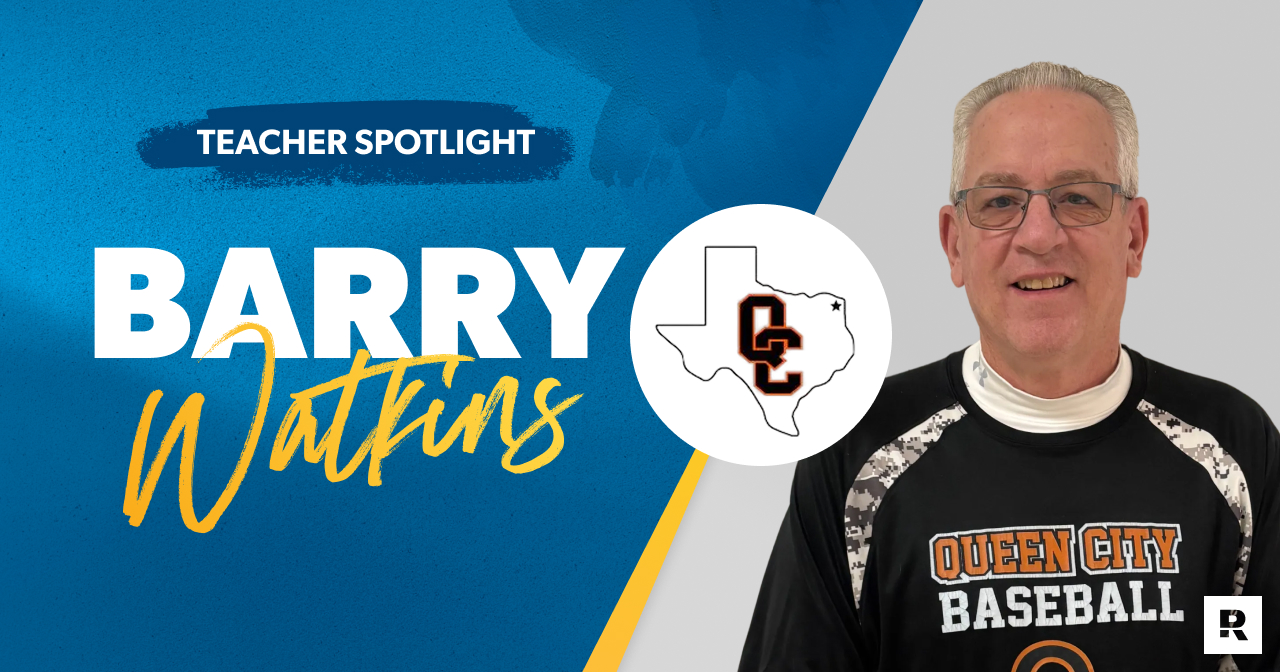
The Multi-Generational Impact of Financial Education in a Small Town
If personal finance disappeared from Queen City High School tomorrow, the impact would reach far beyond a single classroom.
In this rural Texas town of fewer than 2,000 people, many families are working hard just to stay afloat. Nearly 70% of students are considered economically challenged, and financial stress feels inevitable.
For more than a decade, teacher Barry Watkins has worked to change that belief. One class. One family. One generation at a time.
From Industry to Impact
Before Barry stood at the front of a classroom, he spent 30 years on the factory floor at Cooper Tire and Rubber Company.
When the company froze its retirement plan, he began rethinking his future. “I was tired of working in that environment,” he says. “I wanted to give back to my community.”
His wife suggested teaching. Then his sister. Then his mother. “Okay, God,” he remembers thinking. “I get the hint.”
Teaching wasn’t a second career. It was a way to invest in the same town that shaped him. In Queen City, where everyone knows everyone, giving back is personal.
Teaching From Experience
Barry’s approach to teaching money is rooted in lived experience.
During more than three decades in the workforce, he and his wife made wise decisions—like building their home on a 15-year mortgage and paying it off in 11 years. But they also made mistakes.
“The worst one of all,” Barry says, “is I dipped into my 401(k) to pay off a car.”
At the time, it felt practical. The payment disappeared. The car was theirs. Later, he understood the cost—penalties and lost compound growth.
“I just made a huge mistake.”
He shares that story openly. “I tell the kids, ‘There’s no problem with making a mistake. The only problem with making a mistake is if you don’t learn from it.’”
When Barry tells his students, “This is life,” they know he isn’t speaking from theory.
Changing Expectations in Queen City
Financial stress isn’t uncommon in Queen City. Many students assume living paycheck to paycheck is simply how life works.
Barry challenges that assumption.
“It’s a marathon, not a sprint,” he tells them. “It’s not something that’s going to happen overnight.”
He also focuses on immediate habits, like checking bank statements, questioning unfamiliar charges and paying attention. He once discovered fraudulent charges on his 89-year-old mother’s account because he was watching closely.
“You’ve got to look at it,” he says. “Check on it. Make sure it’s right.”
For Barry, these small mindset shifts matter. Because in a town like Queen City, changing expectations around money doesn’t just impact students—it reshapes families.
Generational Change
The impact of Barry’s class goes far beyond the classroom.
Several years ago, one student began asking questions at home about debt and budgeting. His family was struggling, unsure of how they would make it through the week. His parents’ student loans were overwhelming.
The student brought his parents to speak with Barry. Around that same time, Barry was preparing to lead a financial course at church. The family enrolled.
Now, years later, their situation looks entirely different. They’re nearly out of debt. They’re financially stable. They’re giving generously.
“They took it to heart,” Barry says. “They saw that, yes, this really does work.”
The student has since graduated, gone to college, and is now engaged to be married.
If It Disappeared Tomorrow
Barry has taught Ramsey Education’s Foundations in Personal Finance for 12 years. From the beginning, he believed every student should take it.
“I’ve been pushing it from day one,” he says. “Every one of our kids needs to go through this program.”
If this class disappeared tomorrow, the impact would reach far beyond a single classroom.
“We would lose so much in just basic common sense with money,” Barry says. “We don’t need any more challenges. We need all the knowledge that these kids can get poured into them.”
Because personal finance is now a requirement for Texas high schoolers, the impact stretches even further—from students to families and entire generations in Queen City.
Get Weekly Insights Delivered Straight to Your Inbox
Did you find this article helpful? Share it!

About the author
Ramsey Education

Get proven Ramsey answers fast.