
You Can Change Your Situation
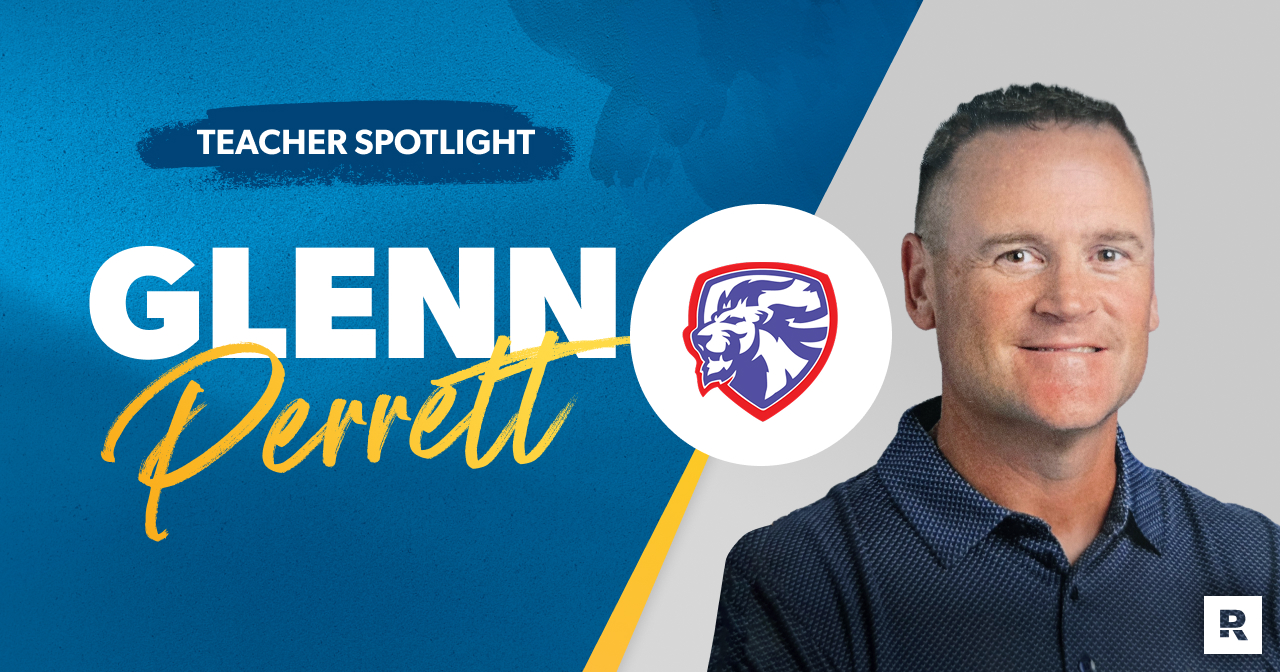
How One Teacher Is Helping Students Connect Money Decisions Today to the Lives They Want Tomorrow
“If you don’t like your situation, you can improve it.”
That’s the message Glenn Perrett shares with his students every day at Moore High School.
In a classroom filled with students from all walks of life—some with families who are financially stable, others facing real challenges—Glenn’s goal goes beyond teaching financial principles. He’s working to instill hope and confidence in what’s possible for their future.
Changing Mindsets
Glenn didn’t originally set out to teach personal finance. After working as a retail manager, he went into education and began teaching a subject he was already interested in: money management.
Over the years, he’s seen firsthand how a lack of financial knowledge and skills can limit students’ opportunities—and how the right guidance can change everything.
“Most of my students are freshmen, and they don’t think they relate to a lot of what we teach,” Glenn explained.
That creates a unique challenge. Topics like budgeting, taxes and investing can feel irrelevant to students who are just beginning to think about their future.
Glenn saw that early on. “I even went over the test before they took it, and they were still failing,” he said. It wasn’t that students couldn’t learn the material. They just didn’t see why it mattered.
So, he changed how he taught.
Instead of relying on students to read or work through content on their own, Glenn began walking them through it—talking through each concept, asking questions, and connecting it to real-life situations.
He moves around the classroom, pulling in examples from students’ lives whenever he can. If a student has a job, he’ll ask about their paycheck—what they noticed, what confused them. If someone has a car, he brings that into the conversation.
When he has older students in the room—those with jobs or real expenses—he uses them as examples to help younger students connect the dots.
Real-life moments are what grab students’ attention.
Those struggling to engage in class began to see themselves in the lesson. They started asking questions. They began to understand how the financial decisions they make now can shape what comes next.
Helping students understand how things like saving, paying bills and investing work is one thing. But to show students how they can directly influence their future possibilities and plans is another.
Taking Ownership
Glenn challenges his students to take ownership of where they are financially and where they want to go—through effort, consistency, and the everyday choices that shape where they end up. He’s just as direct when it comes to life after high school.
“I used to tell everybody to go to college,” he said. “Now I tell them: Not everybody needs to go to college. Go to trade school. Learn a skill.”
For Glenn, success isn’t about one specific college or career path. It’s about being intentional and wise with your money—whichever path you choose.
That perspective is shaped by his own experience.
“If I’d known this back in high school, I’d have been a millionaire by now,” he said.
It’s a line that gets students’ attention—but it also reinforces his bigger point: The earlier you understand money, the more options you have.
“You’re always going to deal with money,” he tells them. “That’s why this is the most important class you’ll ever take.”
Get Weekly Insights Delivered Straight to Your Inbox
Did you find this article helpful? Share it!

About the author
Ramsey Education

Get proven Ramsey answers fast.