
Before They Earn It, They Learn It
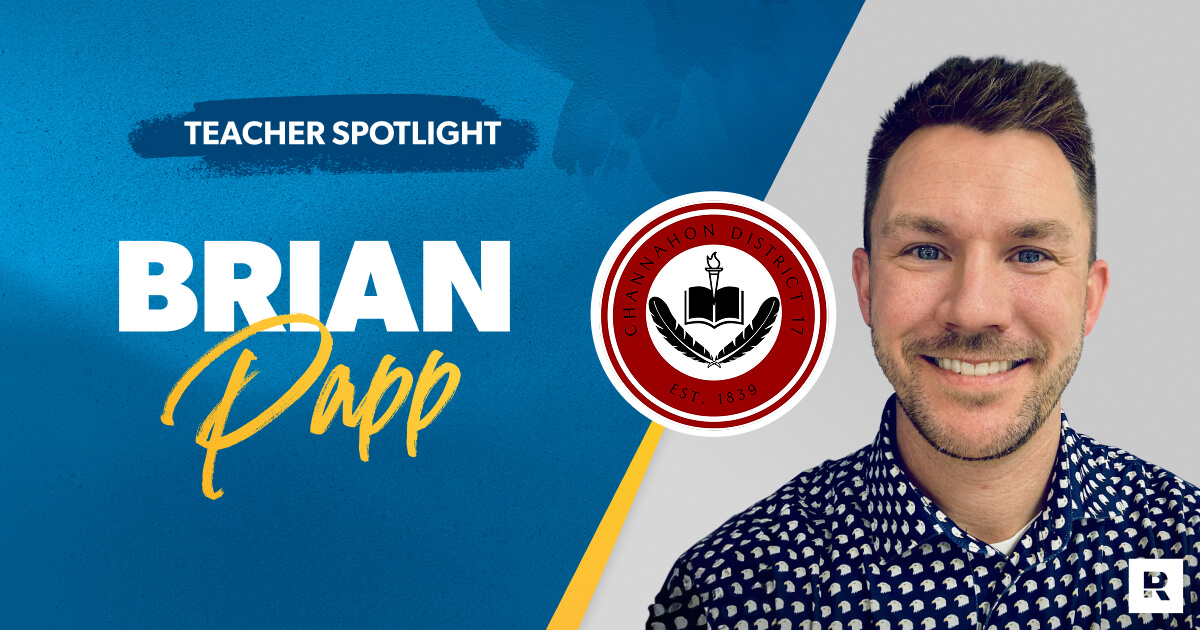
How One Middle School Teacher Is Helping Students Understand Money Before Their First Paycheck
Think back to the first paycheck you ever earned.
Did you spend it? Save it? Maybe a little of both?
Most people don’t realize it at the time, but the early money decisions you make can quickly become habits. And with 53% of young people ages 16–24 working their first jobs, many are making financial decisions without a plan for what comes next.¹
That’s why students in Brian Papp’s personal finance class are choosing careers, buying cars, and mapping out their future in a classroom simulation—years before any of it becomes real.
Giving Students a Head Start
Brian has been teaching personal finance at Channahon Junior High School for several years. While the Foundations in Personal Finance curriculum is designed for high school students, some middle schools use it because they see the value in starting these conversations sooner.
One of the ways Brian customizes the content for his seventh graders is by having them participate in a game of life simulation.
Students start by selecting a dream job. Then, they work backward by researching the education it requires, estimating the costs, and deciding whether a four-year degree is the best option.
From there, they build out a lifestyle and make choices about housing, transportation, and spending along the way.
Brian’s students love playing the game . . . at first.
“They were buying the super nice car . . . they were buying the huge house,” he said.
But as the semester unfolds, the numbers start to add up. Budgets get tight. Students learn the difference between wants and needs. And they begin to see how one financial decision can impact everything else in life.
“I want them to understand that they’re learning these financial principles now the easy way—because if you don’t pay attention and prepare, catching up later is really hard to do,” Brian said.
Making the connection between finances and future goals and opportunities isn’t easy, especially for younger students. But when they can experience it through real-life scenarios, those abstract ideas start to feel real.
Where Do You Want to Go?
Middle schoolers aren’t filling out college applications just yet, but they’re already starting to think about what they want their future to look like.
Brian sees that as an opportunity. “If I can get them walking into high school with a sense of what they’re interested in and what it takes to get there, I’ve succeeded.”
That’s why the game of life simulation starts with a simple question: Where do you want to go? From there, students can start thinking long term about their choices.
Do they need to invest their time and money into getting a four-year degree? Would a certification or trade program make more sense? Could they start working right after high school and build skills on the job?
Brian wants students to understand why they’re choosing a path—not just follow one by default. And for him, that motivation is personal.
“I have friends that I went to college with that are still paying off loans,” he said. “Some of them are still making decisions that hurt my heart.”
So, he introduces his students to different careers and the education or training it takes to get there now, before they face those decisions in high school.
“It’s about helping them understand their options before they feel locked into one,” said Brian. “I want them to make intentional decisions, not just follow what they think they’re supposed to do.”
Practice Before Pressure
By the time they reach high school, Brian hopes his students see their future differently—not as something to figure out later, but something they can start shaping now.
“I really don’t want our kids to be stuck in situations that I’ve seen people get stuck in,” he said.
In Brian’s classroom, the simulation gives students something most people don’t get: a chance to see how their choices play out and to start over when they get it wrong.
In real life, there’s no reset button.
But by teaching personal finance early, Brian is making sure his students won’t need one.
Get Weekly Insights Delivered Straight to Your Inbox
Did you find this article helpful? Share it!

About the author
Ramsey Education

Get proven Ramsey answers fast.