
How to Sell Stuff Online
 By George Kamel
Key Takeaways
- Sell stuff online where it makes the most sense—like Facebook Marketplace for big local items, eBay for collectibles and Poshmark or Mercari for clothes.
- Keep your sale safe by screening buyers and meeting in a public place.
- Get your items ready to sell with descriptive keywords, clear photos, honest descriptions and prices that give buyers a reason to bite.
- Put the money you make to work in your budget, whether you’re building your emergency fund or knocking out debt.
Unless you’re one of those weird people who actually enjoys decluttering, you’ve probably got a growing pile of stuff you don’t need—like your old roommate’s toaster, a snazzy blazer you ordered on clearance that looked better online than on you, or hockey gear from your glory days (let’s be real, you’re not getting on the ice anytime soon, chief).
Instead of letting it collect dust, turn it into extra money.
Quick Answer
The best way to sell stuff online is to match each item to the right site. Use Facebook Marketplace or Craigslist for bulky items you sell locally, eBay for collectibles and electronics, Etsy for handmade goods, and Poshmark or Mercari for clothes. For local sales, meet buyers in a public place, then give every dollar you make a job in your budget.As you can see, there are plenty of online selling sites and apps to turn your old stuff into someone else’s treasure. And I’ve got a few tips and tricks to help you get started!
How Do You Get Started Selling Stuff Online?
Getting started is simple: Gather the stuff you want to sell, get it in good shape, and decide whether you want to meet buyers in person or ship your items. Take care of those things before you start rolling in the dough.
- Gather the stuff you want to sell. Grab a camera or smartphone so you can take clear pictures of your items.
- Make sure your things are in good condition. Secondhand shoppers will expect a little wear—just double-check that your gadgets work, clothes don’t have major rips or stains, shoes don’t have holes (those poor, unfortunate soles), and bikes and home items are clean and repaired. The cleaner and newer the item looks, the higher the chance of selling.
- Decide how you’ll complete the sale. You can meet buyers at a public place or ship items from the post office. Think about how much time you want to spend getting stuff out the door so you can put money in your pocket. There’s no right or wrong way—only what’s convenient for you. (Personally, I like meeting at a coffee shop or grocery store to sell things, but only until the day comes when I can make drone deliveries.)
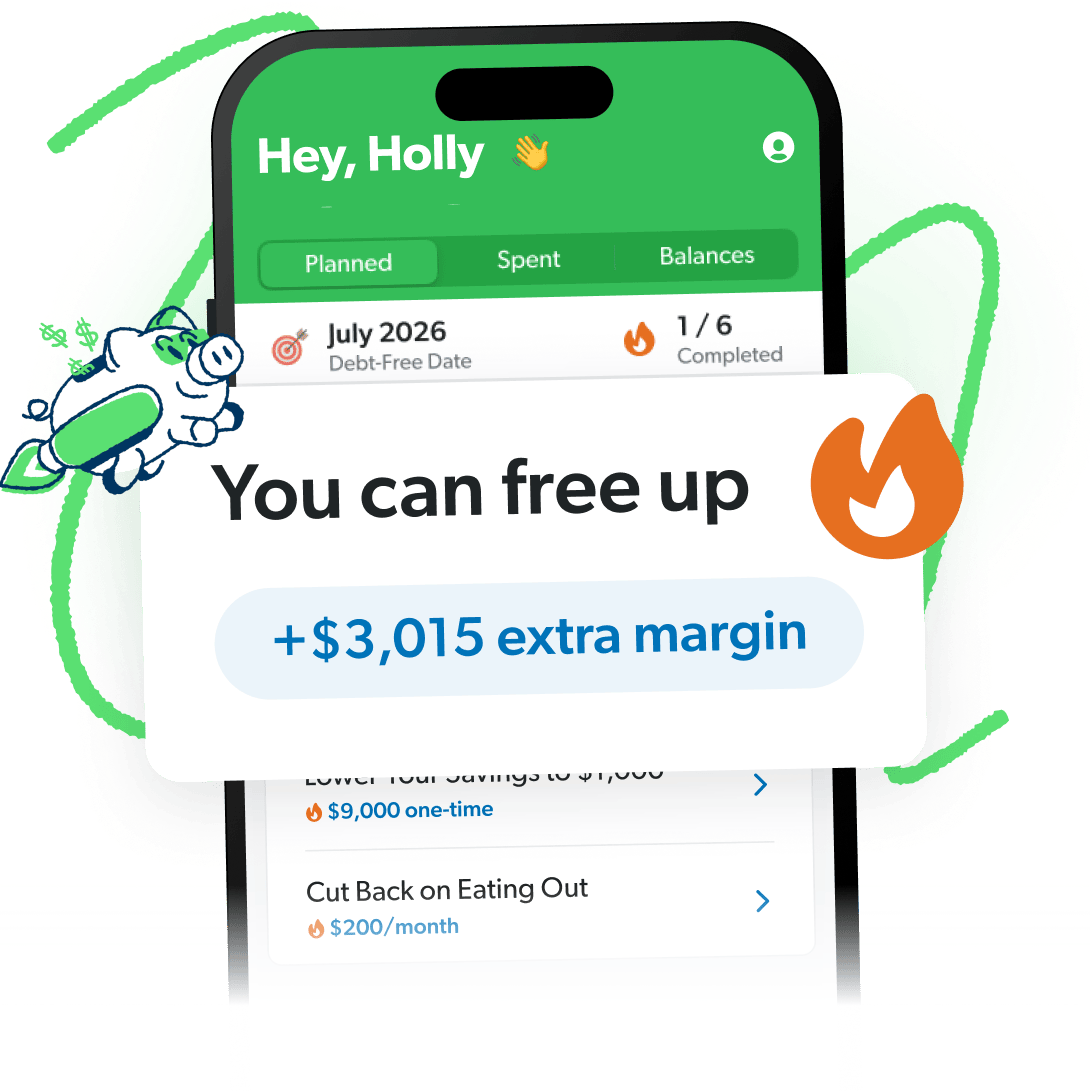
Free Up Margin. Make Real Progress.
The EveryDollar budget app helps you find hidden margin and put it to work so you can stack savings, crush debt, and build wealth that lasts.
What Are the Best Websites to Sell Stuff Online?
The trick to selling stuff online is matching the site to the item. After all, trying to ship your old couch across the country is a headache nobody needs, but the right platform can help your stuff find a new home.
With tons of apps and websites to choose from, you’ve got a really good shot at making moolah reselling your stuff. In fact, it’d be wasteful not to!
Take that collection of flowery teacups your grandma gave you, for example. They’re tiny and delicate, and you’ve never used them for your morning coffee. You could keep one for sentimental reasons and sell the rest to a Downton Abbey superfan out there.
Turns out, the Internet is good for more than Doug the Pug’s Instagram, two-hour delivery, and scrolling past 4,000 ads to read a spaghetti sauce recipe.
Here are a few of my favorite resale sites, in no particular order:
1. Facebook Marketplace
Facebook Marketplace is free (thanks, Zuck), and you can tap into your network of frugal friends to sell almost anything. With local pickup and shipping options, people can find and buy your listings from just about anywhere—and you can vet them before meeting. Facebook also makes it easy to add your item to local buy-sell-trade Facebook groups, which is convenient for selling things locally.
2. Craigslist
Craigslist is the O.G. of resale. Much like the classifieds section of the newspaper, it lets people in your city buy and sell online for free. Craigslist works best for furniture, cars, collectibles and home goods.
Unfortunately, no one named Craig is going to help you sell things, but with good pictures and descriptions, you can rack up some interest in your stuff. (Beware: In the last few years, tons of scammers have been posing as fake buyers. More on that later.)
3. eBay
eBay is awesome for selling collectible items, electronics and vintage or antique pieces—like all the Beanie Babies that are stuffed under the bed. With auction and Buy It Now options, you choose how buyers purchase your goods.
Heads up: eBay charges sellers, so check its current fees before you list, my friends.
4. Etsy
Etsy is a good choice for handmade items and craft supplies. Original art and accessories fit right in, but even if you don’t have a creative bone in your body, you may have something worth listing.
Reselling is only allowed for craft and party supplies, vintage items that are at least 20 years old, and gift baskets you personally select and package. And the more unique, the better! Someone out there is looking for a 1970s exotic-bird lamp just like the one in your attic (but sorry, that person isn’t me). There are listing fees you’ll want to review before each sale, so check Etsy’s current pricing before you get too deep.
5. Nextdoor
Nextdoor is a good option for keeping sales local. User accounts are based on your neighborhood, so it’s a great platform to connect quickly with buyers nearby (and meet your neighbors, which you should do anyway).
6. OfferUp
OfferUp is a free app for selling items locally and meeting buyers in person. Make a profile with your email, list your items, and work out the price and pickup details with your buyer.
You can’t ship items through OfferUp—it’s focused on local, in-person sales. But that makes it a solid option if you want to get your stuff out the door without packing it up and heading to the post office.
7. ThredUP
ThredUP is a consignment-style site where you mail in your clothes, shoes and accessories, then they do all the work and give you a cut of the sale. My wife loves ThredUP because she can pack up a giant box of old clothes (and by old, I mean last season, which is apparently already out of style) and schedule a pickup right from the front door!
8. Swappa
Got a paid-off phone, tablet, laptop, camera or gaming system collecting dust? Swappa is made for selling used tech, so you can set your own price instead of taking whatever a buyback site throws at you.
Listing is free, but there are seller and payment-processing fees, so check Swappa’s current costs before you post. Your device needs to be in working shape, paid off, and free of cracked glass or water damage. Every listing gets reviewed before it goes live—because nobody wants to buy a mystery phone that took a swim in the toilet.
9. Shopify
Shopify is one of the top online sites for creating your own store. Plans start at $29 a month when billed annually ($39 a month if you pay month to month), and you can set up your own website with a shopping cart and link out to other online sites, like Amazon or eBay.1
Shopify is more of a commitment to set up, but if you’re after a small-business feel, it could work great for you!
10. Poshmark and Mercari
I grouped Mercari and Poshmark together because they’re best for brand-name clothes, shoes and accessories. Poshmark is a DIY selling platform, meaning you list and ship the items yourself.
Before listing, you could even make it a party. As Erika from THE Ramsey Baby Steps Community shared, “My friends and I get together a couple times a year and trade clothes! Leftovers that nobody wants either get sold on Poshmark or donated.”
Mercari is another option for selling clothes and accessories. With options for prepaid shipping labels and profits added right to your Mercari account, this app makes selling clothes, beauty items, shoes and household stuff super easy.
How Can You Stay Safe Selling Stuff Online?
Before you hand off that old blender to a stranger, do a little homework. Check out buyers before you meet them, meet in a well-lit public place, keep your personal details private, and keep the conversation on the selling app.
Scammers are out there looking to take advantage of people trying to make a quick buck, so keep these safety tips in mind:
- Look at buyer profiles. Scroll through interested buyers’ user profiles. If someone responds to your listing without a real profile showing pictures, friends or ratings and reviews, there’s a good chance they’re a bot or scammer. And if their profile picture gives you the heebie-jeebies, the willies or the creeps, just ignore it or block them. Stay far away and don’t be afraid to report them as spam (it’s the right kind of tattletale).
- Pay attention to details that don’t add up. This goes for selling and buying: If something feels off, it probably is. Never mail a product without getting paid first—especially to a prince in Nigeria—and don’t respond to messages that ask for personal information.
- Meet at a SafeTrade Station or other well-lit, public place. Some police stations have areas for public meetups where you can do the sale. It’s a good idea to bring a friend with you, and you should always meet somewhere with other people around, like a Starbucks parking lot or local library (and while you’re at it, borrow a good book).
- Don’t share personal information with strangers. Keep your address, phone number and banking information to yourself—unless you want someone draining your bank account or stealing your identity, which I’m assuming you don’t.
- Communicate through the app or selling website. You don’t know who you’re talking to when you link up with an online buyer. It might be easier to exchange phone numbers or email, but keeping a conversation record in the app or website protects you if anything sketchy happens.
How Can You Make More Money With Your Online Sales?
To make more money from your online sales, create a listing that catches the right buyer’s attention and makes the sale easy. That includes using searchable keywords, taking clear photos, pricing items to sell, and being ready to answer questions and negotiate.
Creating a post to sell your old stuff is a lot like making a dating profile. With so many fish in the sea—I mean, with so many coffee tables for sale—you need to make your listings stand out. I’m a married guy, so I can’t help you with dating, but I can help you sell your stuff with eye-catching posts.
- Add keywords to your posts. This is important! You need to describe your items with keywords that people will search for. If you’re selling a living room rug, you can describe it as an area rug, throw rug, rectangle rug, oriental rug or carpet—and you can even describe the color or brand name. This helps more people find your listing when they search using different words.
- Use bright, clear pictures. You don’t need a fancy camera to take good pictures of stuff you’re selling. Your cell phone will be fine. Make sure your pictures are clear and well-lit, and don’t use a busy background. You want buyers to notice the stuff you're selling—not your photobombing pet (I know he’s cute, but you don’t want them thinking Fido is for sale).
- Include a good description. Answer questions someone might ask about your product. Is it new and in good condition? From a pet-free or smoke-free home? What are the dimensions? Sharing these details up front speeds up the sale because you’ll weed out people looking for something else.
- Decide how you’ll get paid. Some sites keep your earnings in your user account, and you can transfer funds to your bank later. If you’re using a site where you get to choose the form of payment, tell buyers if you’d rather get paid with cash, Venmo or even a money order.
- Price pieces to sell. Search for stuff like yours to see how other people priced the item. Asking too much can turn buyers off, but too little means you’re leaving money on the table. Try to find a sweet spot.
- Remember customer service. You know how frustrating crummy customer service is in a normal store, like when you need a price check and can’t find a single person to help you. Don’t do that to someone online—especially when they want to give you money! Answer questions quickly, be friendly, and plan to meet if someone is ready to buy.
- Be ready to negotiate. Here’s something to remember: Whatever you paid for your stuff probably isn’t what it’ll sell for now (unless it’s a collectible, in which case you need to do your homework!). Your stuff is only worth whatever someone’s willing to pay, so be open to best offers.
How Should You Budget Extra Income?
Budget extra income the same way you budget your paycheck—by giving every dollar a job. Making a few extra bucks while creating more space in your closet, kitchen or garage feels pretty darn good too.
If you haven’t completed Baby Step 1 yet, put that money toward your $1,000 starter emergency fund. Already have it? Put every extra dollar toward the Baby Step you’re on, like the debt snowball in Baby Step 2 or building a fully funded emergency fund in Baby Step 3.
Ramsey’s EveryDollar budget app makes it easy to plan where your sales money goes. Start EveryDollar for free and put that extra cash to work.
Next Steps
- Photograph three things you’re ready to sell, then list each one on the site that fits it best.
- Meet local buyers in a public place, and don’t hand over or ship an item until you’ve been paid.
- Give every dollar from your sales a job in your EveryDollar budget. If you don’t have a $1,000 starter emergency fund, put the money toward that first.
Frequently Asked Questions
-
What’s the best place to sell furniture online?
-
Facebook Marketplace, Craigslist and OfferUp can work well for furniture because buyers can pick it up locally. Take clear photos and include the item’s measurements and condition. If someone needs to pick it up at your home, have another adult there and keep the exchange outside if you can. Shipping a couch or dining table is usually more trouble than it’s worth.
-
How can I avoid scams when selling stuff online?
-
Check out a buyer’s profile before agreeing to meet, and keep the conversation inside the selling app or website. Don’t share personal or banking information. Meet in a well-lit public place, bring a friend if you can, and make sure you’ve been paid before handing over your item.
-
What kinds of things should I sell online?
-
Start with things you no longer use that are still in good condition. A decent pair of shoes, a working lamp or a piece of furniture collecting dust could be worth listing. Be honest about any wear and tear so buyers know exactly what they’re getting.
-
Do online selling sites charge fees?
-
Some sites are free for local, in-person sales, while others charge fees when an item sells or ships. Those fees can change, so check the site’s current pricing before you list. Factor the cost into your price so you know what you’ll actually make from the sale.
-
What should I do with money I make from selling stuff?
-
Put your sales money toward your current money goal. If you’re in Baby Step 1, build your $1,000 starter emergency fund. If you’re in Baby Step 2, throw it at debt. Then add it to your budget so that extra cash does something helpful instead of disappearing.
Get Weekly Insights Delivered Straight to Your Inbox
Did you find this article helpful? Share it!

About the author
George Kamel